
The fight turns on a narrow but important question: who controls a temporary U.S. attorney chosen by federal judges when the White House wants someone else? The answer could affect how much leverage presidents have over federal prosecutors before Senate confirmation.
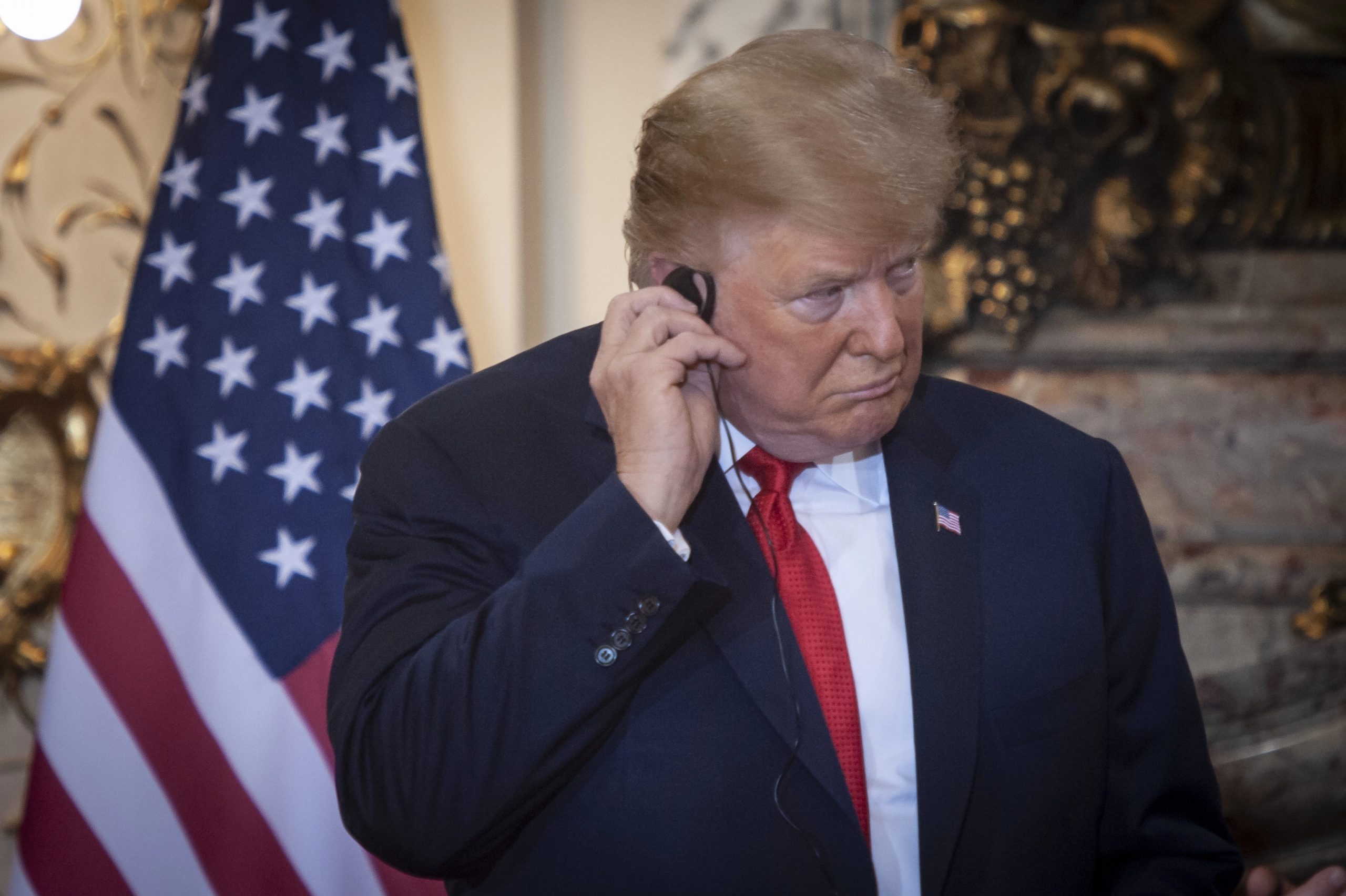
Donald Trump purportedly fired a U.S. attorney in Seattle, setting off a dispute over whether the president can remove a judge-appointed top prosecutor. The Seattle U.S. attorney, described by Reuters as the federal judges’ pick for the post, sued the Trump administration Tuesday and said the firing was unlawful because Trump does not have the authority to remove that kind of interim appointee.
The fight matters because U.S. attorneys run federal prosecutions in their districts, but not every U.S. attorney gets the job the same way. This case puts the Trump administration, the federal judiciary and the Seattle prosecutor’s office into a constitutional and statutory tug-of-war.
A firing with a legal catch
Reuters reported that the top federal prosecutor in Seattle, who had been chosen by judges, sued the Trump administration after being ousted by President Trump last week. The prosecutor’s central claim is not that presidents lack power over all U.S. attorneys. It is narrower: a president cannot remove a court-appointed interim U.S. attorney in the same way he can remove a Senate-confirmed presidential appointee.
That distinction is the whole case. U.S. attorneys are normally nominated by the president and confirmed by the Senate. Once confirmed, they serve as the Justice Department’s chief federal law enforcement officers in their districts.
But when a vacancy opens and no Senate-confirmed replacement is in place, federal law creates temporary routes to keep the office running. One of those routes allows the district court to appoint an interim U.S. attorney after the attorney general’s temporary appointment period expires.
The Seattle prosecutor’s argument, as reflected in the lawsuit described by Reuters, is that Trump’s attempted removal bypassed that statutory arrangement. Calling the firing “unlawful” signals a direct challenge to the White House’s reading of presidential removal power.
Why judge-appointed status matters
The relevant statute is 28 U.S.C. § 546, which governs interim U.S. attorneys. It allows the attorney general to appoint an interim U.S. attorney for a limited period. If that period runs out before the president gets a nominee confirmed by the Senate, the district court may appoint someone to serve until the vacancy is filled.
That court-appointed status is unusual. Prosecutors are executive branch officials, yet the statute gives federal judges a backstop role to prevent vacancies from dragging on indefinitely. The arrangement reflects a practical concern: federal criminal cases, civil enforcement actions and grand jury matters cannot simply stop because Washington has not filled a post.
The Justice Department’s Office of the Inspector General has described U.S. attorneys as the federal government’s chief law enforcement officers in their districts and noted that there are 93 U.S. attorneys across the country and U.S. territories. The same DOJ history explains the distinction between presidentially appointed U.S. attorneys and interim officials selected under vacancy rules.
For presidential appointees confirmed by the Senate, the general rule is straightforward: they are removable by the president. The Seattle dispute is about whether that rule automatically extends to a prosecutor installed by judges under the interim appointment statute.
The administration’s likely argument
The Trump administration has a powerful starting point: U.S. attorneys are executive officers. They prosecute federal crimes in the name of the United States, answer to Justice Department policy and exercise authority that ultimately belongs to the executive branch.
That is why any administration is likely to argue that the president must have removal authority over the person leading a federal prosecutor’s office. From that view, allowing judges to appoint an interim U.S. attorney does not mean judges can insulate that prosecutor from the president.
The broader constitutional claim would be familiar: Article II gives the president responsibility to ensure that federal law is faithfully executed, and control over executive officers is part of that job. If a U.S. attorney is using executive power, the White House may argue, the president cannot be forced to keep that person in place.
The counterargument is statutory and structural. The prosecutor is not claiming a lifetime job or permanent independence from the executive branch. The claim is that Congress created a specific interim appointment system, and the president’s remedy is to nominate a replacement who can be confirmed by the Senate, not to unilaterally fire the court-appointed interim.
A vacancy rule with history
The fight also echoes an older controversy over U.S. attorney vacancies. The DOJ Inspector General’s account of the 2006 U.S. attorney removals explains that Congress once changed the law to let attorney general-appointed interim U.S. attorneys serve without the old time limit and without district court involvement.
After backlash over the removal of several U.S. attorneys during the George W. Bush administration, Congress reversed that change in 2007. The district court’s backstop appointment power returned, and the attorney general’s interim appointment authority was again limited.
That history matters because it shows Congress did not accidentally leave judges in the process. Lawmakers made a deliberate choice to restore a court role after concerns that the executive branch could use interim appointments to avoid Senate scrutiny.
Trump’s critics are likely to frame the Seattle firing through that lens: as another attempt to tighten presidential control over prosecutors. Supporters of broad executive power will see it differently, arguing that a judge-appointed prosecutor should not become a barrier to a president’s law enforcement agenda.
Why Seattle is not a side issue
U.S. attorney offices are not symbolic posts. They decide which federal cases to bring, which investigations to prioritize and how to allocate limited law enforcement resources. In Seattle, that can include public corruption, drug trafficking, immigration-related offenses, cybercrime, civil rights matters, fraud and cases involving federal agencies across western Washington.
A leadership fight can create immediate uncertainty inside a prosecutor’s office. Line prosecutors still handle cases, judges still hold hearings and indictments do not vanish because of a personnel dispute. But questions can arise over who has authority to sign filings, approve charging decisions or represent the United States in high-stakes matters.
The lawsuit also lands in a politically sensitive era for the Justice Department. Trump has repeatedly argued that federal law enforcement was weaponized against him and his allies. His opponents have warned that his administration is trying to bring prosecutors more directly under White House control.
The legal issue in Seattle is narrower than that national debate, but it will be read through it. A ruling for the prosecutor could limit one path for presidential control over interim U.S. attorney offices. A ruling for Trump could strengthen the executive branch’s hand when judges have filled a temporary vacancy.
What the court must decide
The immediate question is likely to be whether the Seattle prosecutor remains in office while the lawsuit proceeds. Courts often move quickly in disputes over public office because authority needs to be clear. If two people claim the same role, every decision from the office can become harder to defend.
The deeper question is whether 28 U.S.C. § 546 gives a court-appointed interim U.S. attorney protection from presidential removal until a Senate-confirmed successor is in place. The statute says the court-appointed prosecutor serves until the vacancy is filled, but the dispute is over what that means when the president tries to remove the person first.
Several facts remain unclear from the public reporting so far, including who the Trump administration wants to install in Seattle, whether the Justice Department has recognized an acting replacement, and how quickly the court will set a hearing.
For now, the case turns on a deceptively simple question: when federal judges appoint a temporary top prosecutor because the political branches have not filled the job, does the president still get the last word? Seattle is now the test case.



Leave a Reply