

The request puts federal prosecutors at the center of a politically charged public safety debate in Minnesota. It also raises a familiar tension: how to pursue violent crime without casting suspicion on an entire immigrant community.
Minnesota Republicans are urging the Justice Department to act on alleged Somali gang violence in Minnesota. The article explains the Republican delegation’s request and the concerns driving it: GOP members say federal prosecutors should help stamp out the state’s Somali gang problem after local authorities identified multiple Minnesota-based gangs tied to shootings, stabbings and murders.
The appeal puts the U.S. Department of Justice and the Somali community in Minnesota at the center of a public safety fight that is also politically sensitive. Republicans urge DOJ action, but the key question is how federal law enforcement responds without treating a whole community as responsible for alleged criminal networks.
The GOP request to DOJ
All four Republican members of Minnesota’s U.S. House delegation — House Majority Whip Tom Emmer and Reps. Pete Stauber, Michelle Fischbach and Brad Finstad — sent a letter Thursday to Daniel Rosen, the U.S. attorney for the District of Minnesota.
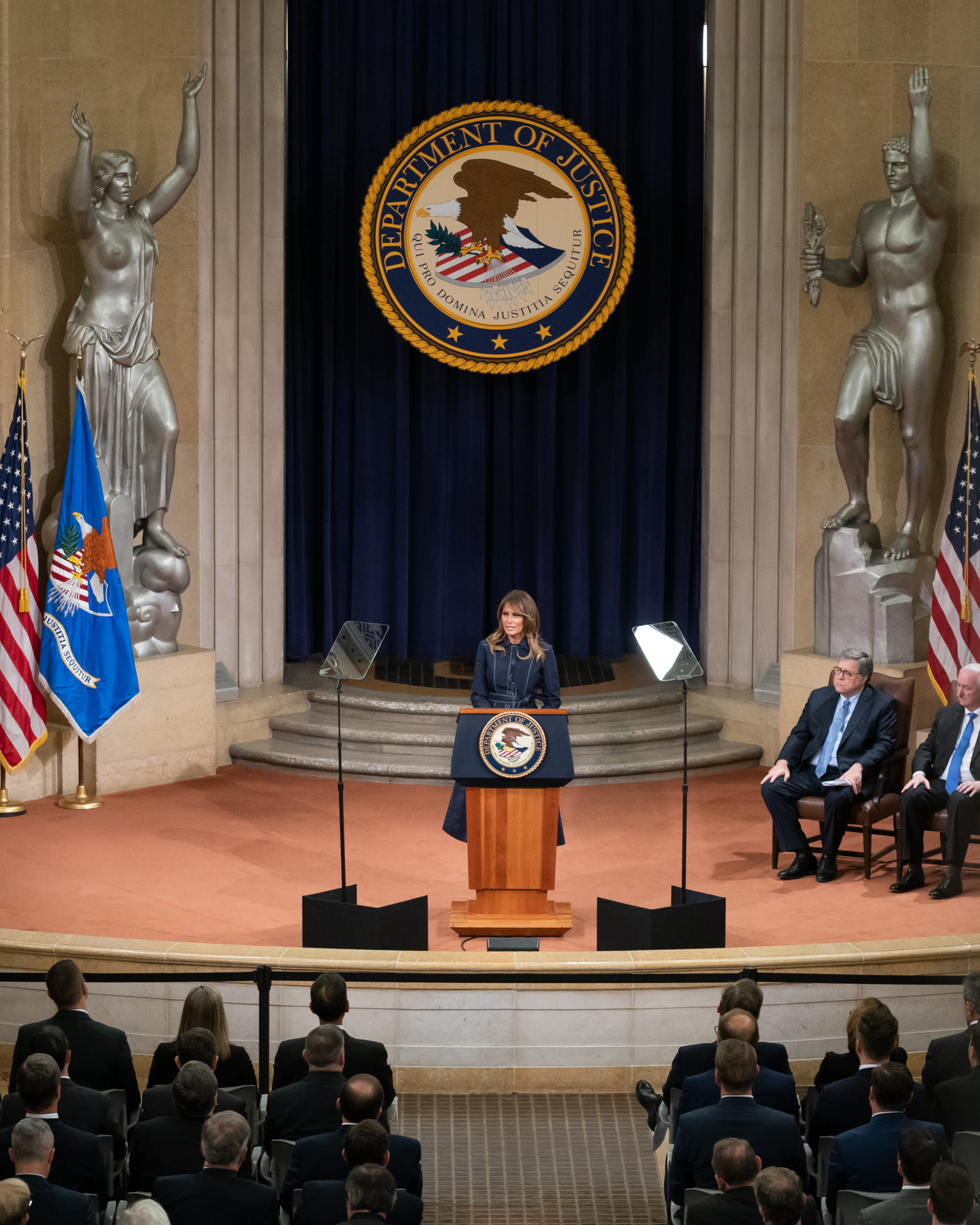
In the letter, the lawmakers said they support federal prosecution of people involved in alleged gang violence “to the fullest extent of the law,” according to the published account of the request. Their language frames the issue as one requiring a stronger federal hand, not only local policing.
The delegation’s central claim is that local authorities have identified at least a dozen Minnesota-based gangs described as Somali gangs and linked them to violent crimes including shootings, stabbings and murders. The public record provided so far does not include a DOJ response or a new federal charging announcement tied directly to the letter.
Why federal prosecutors matter
The U.S. attorney’s office is not a general-purpose police department. It brings federal cases when alleged conduct fits federal law, often involving firearms, trafficking, organized criminal activity, interstate activity or other federal jurisdiction.
That distinction matters because a letter from lawmakers can increase pressure, but it does not by itself create a federal case. Prosecutors still need evidence, applicable statutes and investigative support from federal, state or local agencies.
Federal involvement can also change the stakes for defendants. Federal charges can carry long sentences, different detention rules and broader investigative tools. Supporters of the GOP push are likely to argue that those tools are needed if violent groups operate across city or county lines.
Critics may see another risk: political pressure on prosecutors in an area where law enforcement decisions should be based on evidence, not headlines. The Justice Department typically avoids confirming specific investigative steps unless charges are filed or a public safety reason requires disclosure.
A charged label in Minnesota
The phrase “Somali gang problem” is politically potent in Minnesota because the state is home to a prominent Somali American population, especially in the Twin Cities region. Many Somali Minnesotans are business owners, students, parents, public employees, faith leaders and elected officials. They are not interchangeable with people accused of crimes.
That is why language matters. Law enforcement agencies sometimes use ethnic or neighborhood labels to describe a group’s claimed identity, membership pattern or origin. But once that label enters political debate, it can blur the line between alleged criminals and an entire community.
The Republicans’ letter, as described, focuses on violence attributed by local authorities to Minnesota-based gangs. A careful public safety response would keep that focus narrow: individuals, specific groups, specific acts and evidence that can be tested in court.
Community leaders in similar cases often warn that broad labels can make residents less willing to cooperate with police. If people fear that reporting violence will bring stigma or immigration-related suspicion onto neighbors and relatives, investigations can become harder, not easier.
The public safety argument
The case for federal action is straightforward: if local authorities are seeing multiple gangs linked to serious violence, lawmakers want more resources brought to bear. Shootings, stabbings and murders are not quality-of-life complaints. They are urgent threats to victims, families and neighborhoods.
Republicans are also appealing to a common frustration among constituents who believe repeat violence is not being stopped quickly enough. In that view, federal prosecutors can provide consistency, stronger penalties and coordination across jurisdictions.
There is a political dimension, too. Crime has remained a durable issue for Republicans in Minnesota and nationally, especially when tied to questions about prosecution, policing and urban safety. By directing the request to the U.S. attorney, the delegation is shifting the debate from local officials to the Biden-era or Trump-era Justice Department depending on the current federal leadership context readers bring to the story.
But the harder policy question is what actually reduces violence. Federal prosecution can incapacitate dangerous offenders, but it is usually reactive. Prevention, witness protection, youth outreach, probation supervision and local investigations still determine whether violent groups lose influence over time.
What remains unclear
Several important details are not yet public. The letter refers to at least a dozen Minnesota-based gangs identified by local authorities, but the available account does not provide a full list of those groups, the agencies that identified them, or the cases used to support the claim.
It is also unclear whether the U.S. attorney’s office has already been prosecuting related cases, reviewing referrals or coordinating with local law enforcement before the lawmakers’ letter. Federal prosecutors often work quietly with task forces long before elected officials make a public request.
The DOJ’s next step could range from no public comment to a statement of general concern, a meeting with the delegation, or future indictments if investigations support charges. None of those outcomes should be assumed from the letter alone.
The unanswered questions are not minor. They determine whether this is mainly a political pressure campaign, a request for expanded federal coordination, or the public edge of an already active enforcement push.
The takeaway for Minnesota
The Minnesota Republican delegation has put a sharper spotlight on alleged Somali gang violence and asked the Justice Department to use federal authority against people responsible for serious crimes. That request will resonate with residents who want visible action against violence.
At the same time, the way officials talk about the issue will shape trust. A response that targets evidence-backed criminal conduct can protect communities. A response that treats ethnicity as shorthand for threat can alienate the very residents whose cooperation may be needed most.
The DOJ now faces a familiar balancing act: take violent crime allegations seriously, preserve prosecutorial independence and avoid broad community blame. For Minnesota, the next meaningful development will be whether federal prosecutors show concrete action — and whether that action is tied to specific crimes rather than a sweeping label.




Leave a Reply