
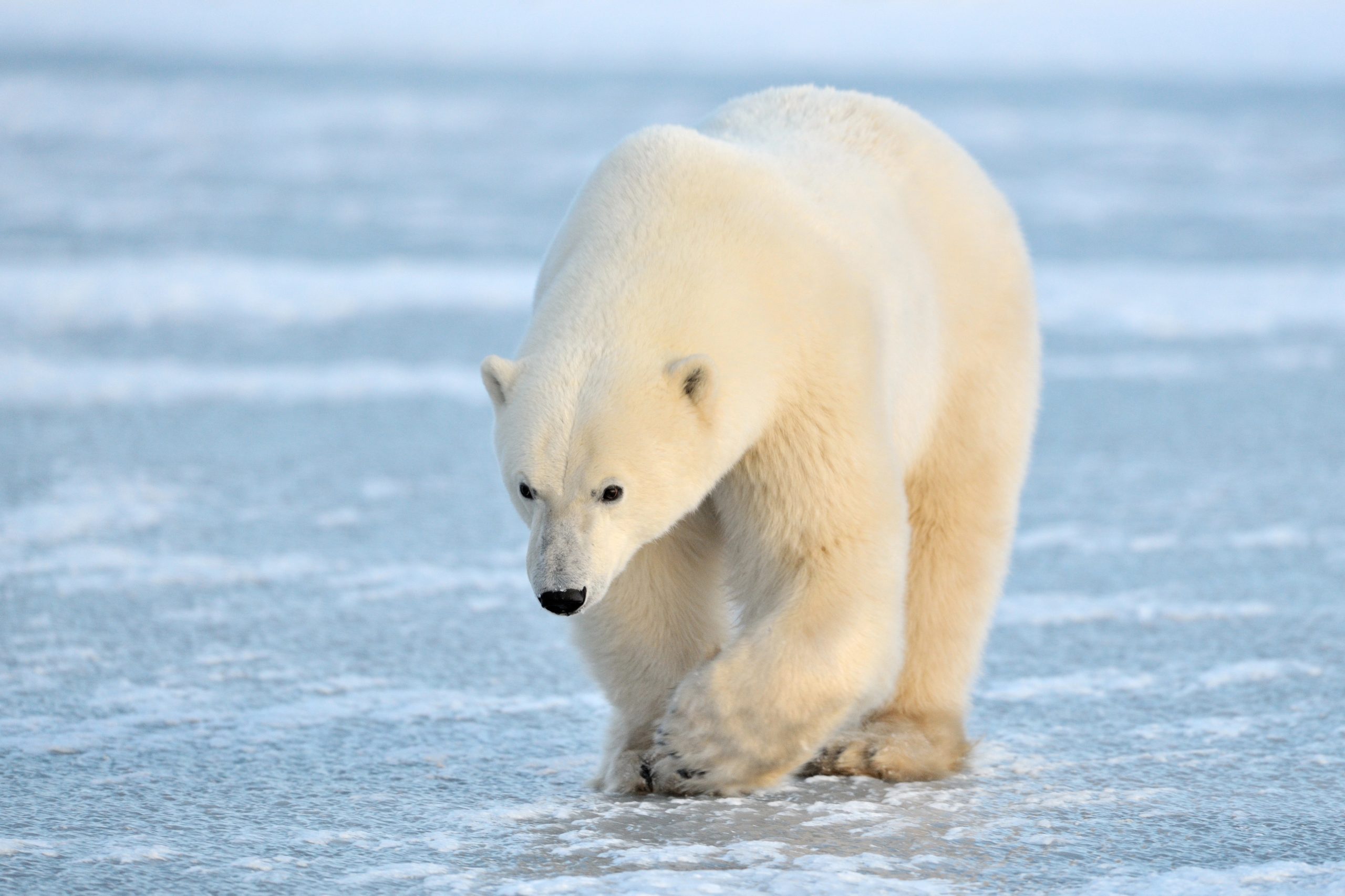
The incident in northeastern Svalbard is a reminder that Arctic wildlife rules can apply even when a person never leaves the boat. Officials say the bear moved after the horn sounded, triggering a penalty under strict protections for polar bears.
A person aboard a vessel in Norway’s Svalbard archipelago was fined about $5,000 after using a foghorn to wake or disturb a sleeping polar bear. The incident occurred in northeastern Svalbard, where the horn woke the animal and it moved to another location; the individual agreed to pay the $5,255 penalty imposed by the governor’s office.
The case puts a sharp point on a rule visitors may not expect: in Svalbard, the boundary is not merely whether a person gets close to a polar bear. Needlessly disturbing, attracting or pursuing one is forbidden, including conduct from a vessel.
A foghorn changed the encounter
According to the governor of Svalbard, the vessel was traveling through a fjord in northeastern Svalbard earlier this month when people on board spotted a polar bear asleep on land.
One person then sounded the ship’s foghorn. Officials said the noise woke the bear, which left and moved to another location.
No identity or nationality for the person has been released. The governor’s office ordered payment of the fine, and the individual accepted it.
Why the penalty was imposed
The key issue was not a physical confrontation with the animal. It was the deliberate disruption of a protected wild animal’s behavior.
Svalbard’s regulations prohibit people from needlessly disturbing, attracting or pursuing polar bears. A foghorn may be ordinary safety equipment on a ship, but officials treated its use in this setting as an unnecessary disturbance rather than a navigational necessity.
That distinction matters in a destination where wildlife sightings are a major draw. Seeing a bear from a safe distance is not the same as trying to provoke a reaction, create a better viewing moment or test how the animal will respond.
Svalbard protects bears aggressively
Polar bears have been a protected species in Svalbard since 1972. The archipelago sits deep in the Arctic, roughly 620 miles from the North Pole, and its rugged fjords and sea ice make it one of the world’s most recognizable polar-bear habitats.
Its remote setting can create the impression of a place with few rules. The opposite is true around wildlife. Svalbard’s protections reflect both the danger of polar bears and the pressure that repeated human attention can put on animals that need to hunt, rest and travel across an unforgiving landscape.
For authorities, the case also appears to be about deterrence. A loud noise that makes one bear relocate may sound minor in isolation, but rules are designed to prevent a culture in which visitors routinely interrupt animals for novelty or photographs.
A healthy population is not immunity
The most recent scientific estimate cited by officials counted about 260 polar bears in the Svalbard archipelago in 2015. That is not a large number for an animal whose range crosses wide areas of sea ice, coastline and open water.
Researchers have also reported encouraging signs for Svalbard’s bears. Norwegian Polar Institute scientist Jon Aars and colleagues tracked the size and weight of nearly 800 bears between 1992 and 2019, finding that the animals studied were in good condition and continued to raise cubs despite major sea-ice loss.
That finding complicates the simple idea that every polar-bear population is declining in the same way. It does not erase broader climate risks, though. Polar bears rely on sea ice as a platform for hunting seals, and scientists have long warned that shrinking ice can reduce access to prey in many parts of the Arctic.
Wildlife viewing has a clear limit
There is a practical lesson in the fine for cruise passengers, expedition travelers and private boat crews: wildlife rules often cover more than touching or feeding an animal.
- Do not make noise or use equipment to get an animal’s attention.
- Do not approach, lure or pursue wildlife for a closer look.
- Follow local guides, vessel operators and protected-area restrictions.
- Treat an animal changing its behavior because of human activity as a warning sign, not entertainment.
There are legitimate reasons a ship might sound a horn, especially for safety or navigation. Officials have not suggested that every use of a foghorn near wildlife is unlawful. In this case, their account was specific: the horn was used after a sleeping polar bear was spotted, and it caused the bear to move.
The unanswered details are limited
Authorities have not publicly identified the person, described the vessel, or said exactly how far it was from shore. They also have not provided a fuller public account of why the horn was sounded beyond the sequence described in the governor’s statement.
Still, the accepted fine makes the outcome clear. In Svalbard, a polar bear encounter is not a chance to manufacture a response. The rules are meant to keep the encounter on the animal’s terms.











Leave a Reply