
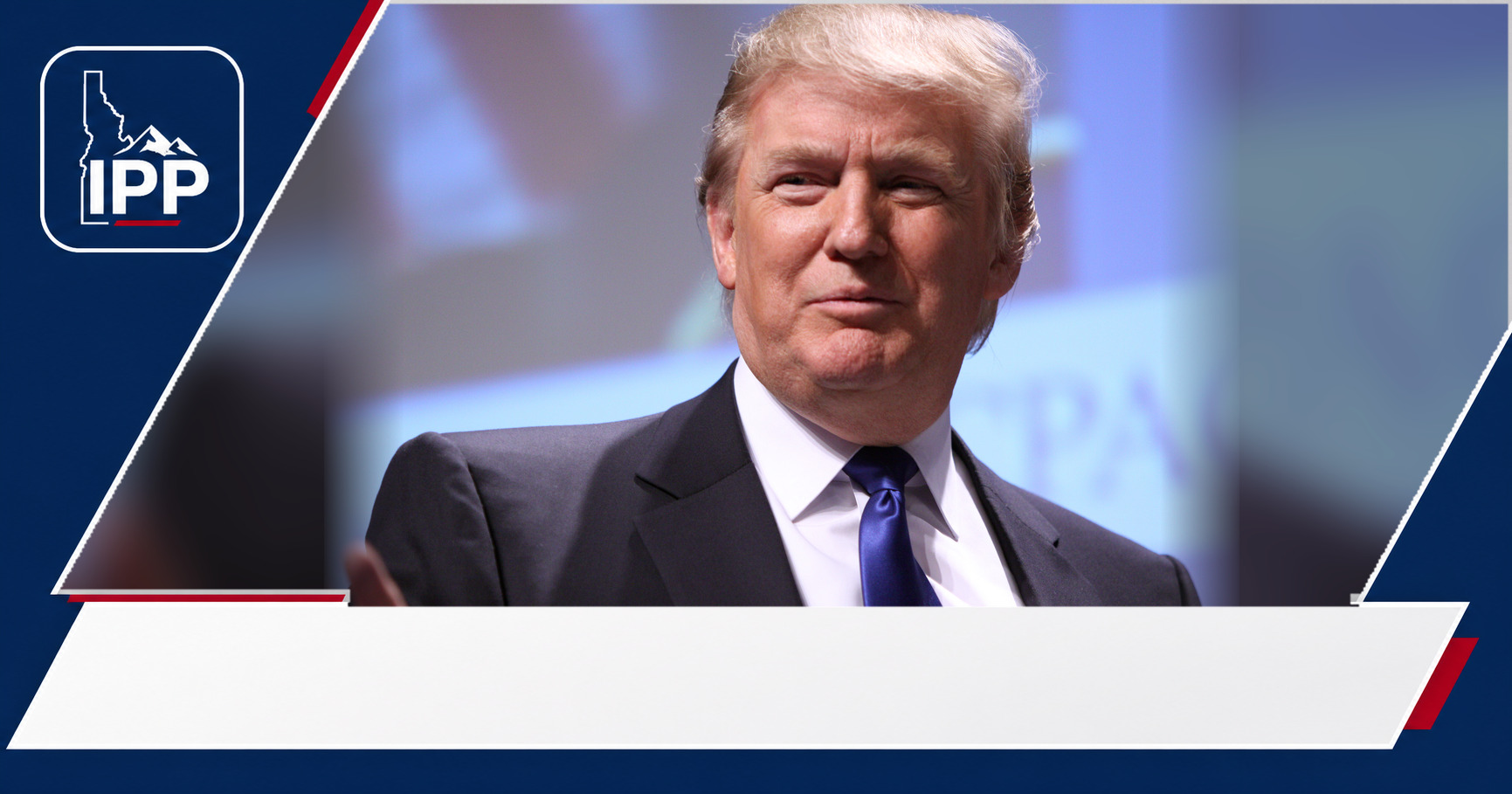
The moment spread because it mixed a formal presidential setting with Trump’s familiar improvisational style. The backlash also shows how quickly political messaging can be reduced to a viral clip.
Donald Trump made a bizarre “bing, bing, bing” rant during a Cabinet meeting at Camp David on Friday, according to an Irish Star report, with the remarks delivered in Maryland’s Catoctin Mountain Park as he described missiles. Social media users called him a “total buffoon” after the comments began circulating online.
The episode matters because it turned a formal presidential setting into another test of Trump’s unscripted style: supporters often see that style as plain-spoken, while critics frame moments like this as evidence of poor discipline.
Camp David setting raised the stakes
Camp David is not a rally stage. It is the presidential retreat tucked inside Catoctin Mountain Park in Maryland, a place more often associated with strategy sessions, diplomacy and controlled images of executive seriousness.

That is why the “bing, bing, bing” line traveled. A Cabinet meeting is designed to project command: the president surrounded by top officials, discussing policy, national security and the administration’s agenda. When a sound-effect riff becomes the takeaway, the optics shift quickly.
The Irish Star report framed the moment as Trump appearing to lose his ability to speak during the missile description. That is a sharp characterization, and it reflects the tone of the online reaction more than a formal medical or official assessment.
There is no indication in the available extracted reporting that the White House issued a detailed clarification of the specific phrasing. That leaves the public conversation focused on the clip, the headline language and the reactions it triggered.
The missile line became the clip
Trump has long used sound effects, repetition and fragments to dramatize stories. “Bing, bing, bing” fits that pattern: a verbal shorthand meant to mimic action, movement or impact rather than a conventional policy explanation.
In a campaign rally, that kind of language often functions as performance. In a Cabinet setting, it can land differently. The same flourish that energizes a friendly crowd can look jarring when paired with a discussion of missiles.
The online criticism seized on that mismatch. The phrase was easy to quote, easy to mock and short enough to travel across social platforms without much context. That is the modern political-media trap: the most repeatable phrase often outruns the most substantive part of the event.
What remains unclear from the available material is the full sentence structure around the remark, how long the digression lasted and whether officials in the room responded. Those details matter because a clipped moment can exaggerate confusion, while a full transcript can sometimes show a more coherent point wrapped in messy delivery.
Why critics used “buffoon”
The “total buffoon” label came from social media users reacting to the comments, as reported in the coverage. It is not an official description, and it should be read as political criticism rather than neutral fact.
Still, the insult is revealing. Trump’s critics often argue that his public speaking style blurs the line between entertainment and governance. For them, a strange missile riff at Camp David reinforces a familiar claim: that the former reality-TV cadence never fully disappears from presidential politics.
Supporters tend to interpret the same behavior differently. They often say Trump’s loose, conversational style is part of his appeal — unscripted, unfiltered and unlike the polished language of traditional politicians. To that audience, mockery of verbal tics can look like media elitism rather than a serious critique.
Both views can exist at once. Trump’s improvisation is a political asset with his base, and it is also a recurring vulnerability when opponents can isolate a phrase that sounds unserious in a serious setting.
A recurring Trump communication pattern
The “bing” phrasing is not entirely new in Trump’s public speech. Official and political transcripts of recent remarks have captured similar repeated sound-effect language in other contexts, including a Senate Democrats transcript of Trump remarks at a White House Faith Office luncheon in July.
That does not mean each instance carries the same meaning. It does show that Trump often narrates events through noises, gestures and compressed storytelling rather than formal exposition. His speeches can move rapidly from policy claims to anecdotes to punchlines.
That style is one reason his remarks are difficult to cover cleanly. A conventional political speech has a prepared arc: issue, argument, promise. Trump’s remarks often operate more like a running monologue, where the newsworthy line may be buried inside a detour.
For editors, opponents and supporters alike, that creates a constant sorting problem. Is the line evidence of confusion, a joke, a vivid speaking habit, or all three? The answer can depend heavily on the missing context around the clip.
The substance risks getting buried
The reported setting — a Cabinet meeting where missiles were being discussed — points to a more serious policy backdrop. Missile defense, military readiness and weapons policy are not minor topics. They involve national security, budgets, alliances and risk.
Yet the viral reaction centered on delivery. That is not surprising. Social platforms reward the odd moment, not the full agenda. A phrase like “bing, bing, bing” can become the story even if the meeting included consequential discussion elsewhere.
This is a familiar problem in Trump coverage. His language produces headlines that are both newsworthy and distracting. Critics say the distractions are part of the concern, because presidential communication is itself a tool of governance. Supporters say the press fixates on style to avoid covering his policy message.
The tension is real. Voters deserve to know both what a president or candidate is saying and whether the delivery raises questions about judgment, seriousness or clarity. But they also deserve enough context to avoid mistaking a viral fragment for the whole event.
What to watch next
The next important piece is fuller documentation: video, an official transcript or a more complete account of the Camp David Cabinet meeting. Without that, the public is left with a sharply framed report and social-media reaction.
If the White House or Trump’s team responds, the response will likely try to reframe the moment as either humor, exaggeration or media overreach. If critics continue circulating the clip, they will likely use it as part of a broader argument about Trump’s fitness, discipline and communication style.
The clean takeaway is narrower than the loudest reactions suggest. Trump’s “bing, bing, bing” missile remarks at Camp David drew ridicule because they collided with the gravity of the setting. The political meaning will depend on whether voters see that collision as harmless Trumpian theater or a warning sign in a room meant to project control.




Leave a Reply