
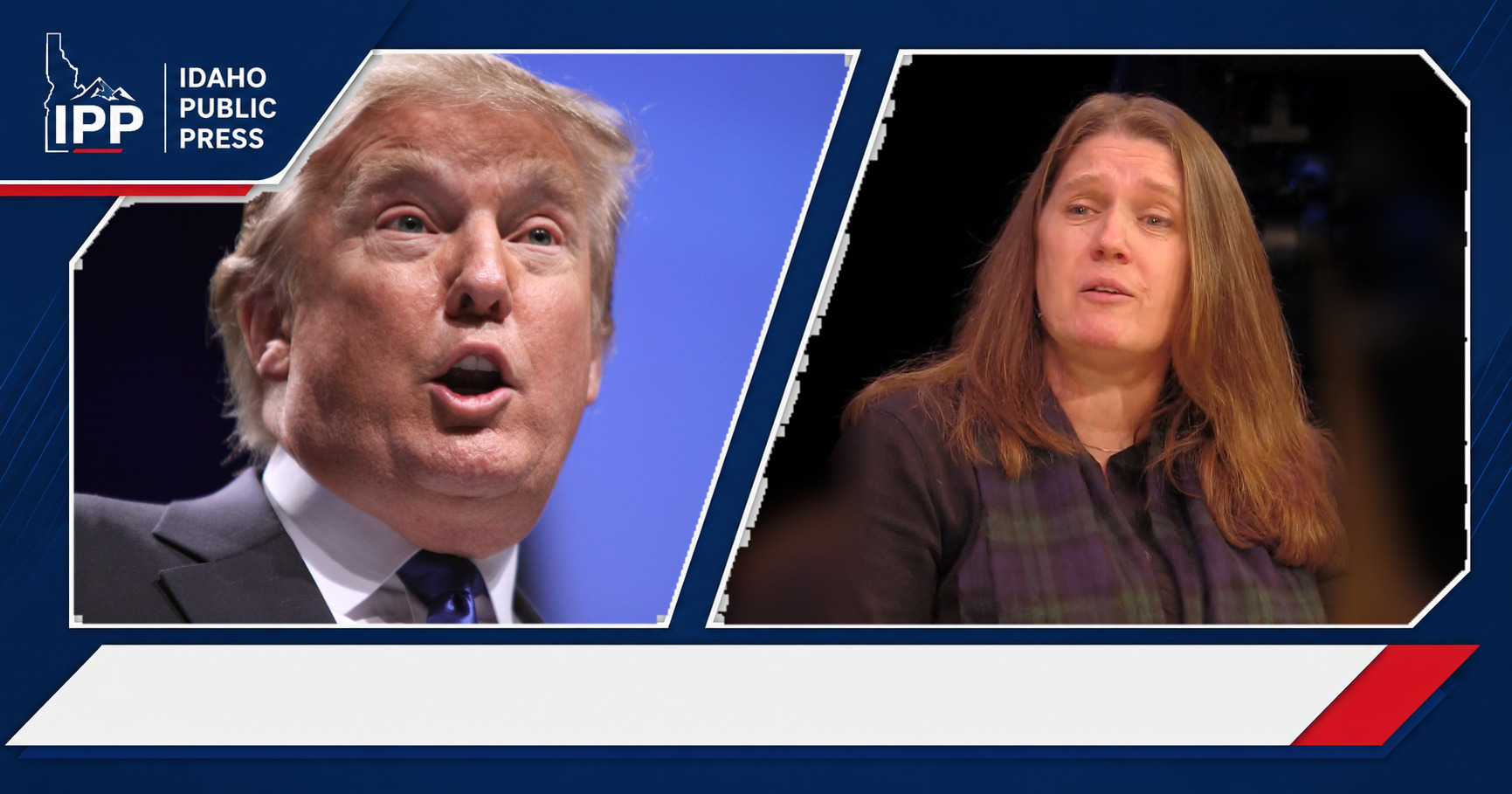
The viral claim sits at the intersection of family criticism, presidential transparency and medical caution. Official disclosures have pointed to a vein condition, not a confirmed cognitive diagnosis.
A family member claims Donald Trump has an undiagnosed condition, and the relative drawing attention is Mary Trump, his niece and a clinical psychologist. The condition she has warned about is alleged cognitive decline, often discussed by critics in dementia-like terms, but it has not been confirmed by the White House, Trump’s physician or any public medical record.
That distinction matters now because official health context around Trump has focused on something else: the White House physician memorandum dated July 17, 2025, and medical explainers that followed, including UC Davis Health coverage of Trump’s chronic venous insufficiency diagnosis. A family member reveals a claim; doctors diagnose a patient.
The claim is not a diagnosis
Mary Trump has long been one of Donald Trump’s most outspoken family critics. Her public comments carry attention because she is both a relative and a mental health professional, but they also come with obvious political and personal context: she is estranged from the former president and has built a public role criticizing him.
The current claim centers on alleged cognitive decline, not the vein condition disclosed by official sources. That matters because those are very different medical categories. Cognitive disorders require clinical evaluation, history, testing and, in many cases, input from people who directly examine the patient.
Public observers can point to speeches, interviews, gait, facial expressions or visible bruising and see patterns. None of that is the same as a diagnosis. Even trained clinicians generally avoid declaring a condition in a public figure they have not personally evaluated and whose records they have not reviewed.
So the precise status of the claim is this: Mary Trump is making an allegation based on her perspective and expertise, while the public medical record does not confirm that Donald Trump has dementia or any other cognitive disorder.
What officials have disclosed
The strongest official health context available comes from the White House and the president’s physician, not from family commentary. A White House page identifies a July 17, 2025 memorandum from the Physician to the President. Separately, UC Davis Health published an explainer stating that President Donald Trump had been diagnosed with chronic venous insufficiency, often shortened to CVI.
CVI is a circulation issue. UC Davis Health describes it as a condition that happens when veins in the arms or legs do not move blood back toward the heart as well as they should. Blood can pool, pressure can rise in the veins, and swelling or discomfort can follow.
UC Davis vascular surgeon Mimmie Kwong described CVI as common, saying it affects about one in three adults in the United States, with cases ranging from mild to severe. The condition is more often discussed in older adults, though it can affect people across ages.
That official vein diagnosis does not answer every question about Trump’s overall health. It does, however, show that the public medical disclosures have been about a physical vascular condition, not an acknowledged cognitive impairment.
CVI is a separate issue
The most important medical distinction is simple: chronic venous insufficiency is not dementia. CVI involves veins and circulation. Dementia-like impairment involves memory, reasoning, language, behavior or other cognitive functions.
That does not mean voters are wrong to care about both. Presidents make high-stakes decisions under pressure, and age-related health questions have become a major part of modern politics. But lumping every visible change into one theory can mislead more than it clarifies.
Leg swelling, bruising or a vascular diagnosis do not prove cognitive decline. At the same time, a clean or limited public statement about a vein condition does not rule out unrelated health issues. The problem is that the public usually sees fragments, while doctors work from full exams and records.
This is why cautious wording matters. Saying Mary Trump alleges an undiagnosed cognitive condition is accurate. Saying Donald Trump has that condition as a fact would go beyond the evidence available publicly.
Why the claim travels
Presidential health stories spread fast because they combine private medicine with public power. Voters do not get to review full medical files, but they are asked to judge whether a candidate or president can handle the job. That gap creates room for speculation, partisan framing and genuine concern.
Trump’s supporters are likely to view Mary Trump’s remarks as politically motivated, especially given her long record of public opposition to him. They can also point to the fact that the White House and physician disclosures have not confirmed the condition she describes.
Critics see the issue differently. To them, a family member with clinical training raising concerns about cognition is relevant, especially when presidential fitness is already part of the national conversation. They argue that official summaries often reveal only what the president and his team choose to release.
Both points can be true at once. A family member’s allegation is not medical proof, and official disclosures are not always the full picture. The public is left weighing credibility, motive and the limits of available evidence.
What remains unanswered
The unanswered questions are narrow but significant. Has Trump undergone recent neurocognitive testing beyond routine screening? If so, what was tested, who administered it and were results released in enough detail to be meaningful? Has an independent specialist evaluated concerns about cognition?
The public information cited so far does not settle those questions. The White House physician’s role is official, but presidential medical summaries are typically selective. They often reassure rather than provide a complete clinical record.
Mary Trump’s family connection gives her claim news value, but it does not turn the claim into a verified diagnosis. The White House disclosure of chronic venous insufficiency gives voters a confirmed medical fact, but it does not address every concern raised by critics.
The clean takeaway is that two stories are being discussed at once: an official diagnosis of a common vein condition and an unconfirmed family-member allegation about cognitive decline. Readers should treat them separately until medical evidence connects them, confirms them or rules them out.











Leave a Reply