
The dispute is not just about bus lanes or road signs. It is a test of whether Mamdani’s City Hall can convince outer-borough Democrats that progressive governance delivers on everyday services.
Democratic discontent with Zohran Mamdani is growing in New York City’s outer boroughs. The political frustration centers on whether Democrats in Queens, Brooklyn, the Bronx and Staten Island believe City Hall is giving enough attention to neighborhood basics such as street safety, road paving, signs, bus lanes and pedestrian space.
The backlash matters because Mamdani’s governing brand depends on proving a progressive City Hall can deliver beyond Manhattan and a handful of high-visibility neighborhoods. Politico reported that Bronx Councilmember Oswald Feliz and Bronx Borough President Vanessa Gibson met with administration officials after concerns were raised about outer-borough priorities.
The Bronx became the flashpoint
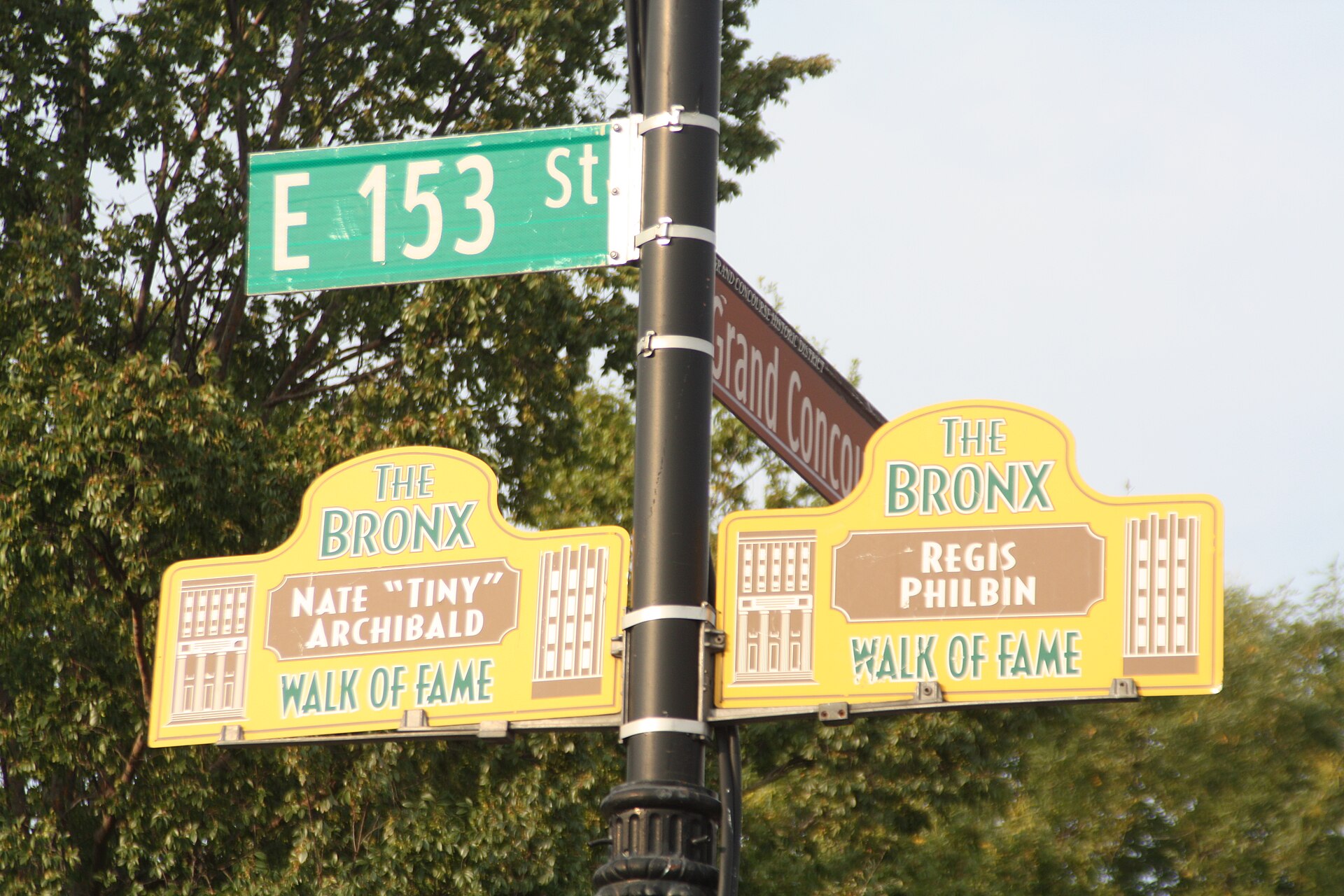
The sharpest reported tension is coming from the Bronx, where Feliz has pressed the administration over infrastructure needs that can sound small from City Hall but are central to daily life: paved roads, stop signs, safer crossings and public space.
According to Politico, Mamdani’s office moved to schedule a meeting after Feliz made remarks suggesting outer-borough enclaves and minority communities were not being valued the same way trendier neighborhoods were. A person with direct knowledge of the exchange told the outlet that the mayor was upset by that suggestion.
The meeting included Feliz, Gibson, Deputy Mayor for Operations Julia Kerson, Department of Transportation Commissioner Mike Flynn and other administration officials, Politico reported. The officials said they would review requests for road paving, street signs and expanded pedestrian areas, but made no immediate capital commitments because those decisions would have to wait for the next budget cycle.
Mamdani did not attend the meeting, according to the report. Feliz later told Politico that the Bronx cannot be treated as an afterthought and said he hoped the episode was not a sign of how the administration intends to govern.
City Hall says it is delivering
Mamdani’s team rejects the idea that the mayor is neglecting the outer boroughs. Spokesperson Jeremy Edwards told Politico the administration has been committed to delivering for New Yorkers across the city, including residents outside Manhattan.
Edwards pointed to a Bronx bus lane project that includes pedestrian space upgrades and said it is moving forward because Mamdani’s administration reversed a pause by former Mayor Eric Adams. He also cited free 2-K in Brooklyn neighborhoods including Canarsie and Brownsville, faster and more reliable buses in the Bronx, and flood preparedness kits in Queens.
That response shows the administration understands the political danger of the criticism. The charge is not merely that one project was delayed or one council member was unhappy. It is that City Hall could be seen as more responsive to symbolic or showcase projects than to the basic work of fixing streets and improving safety in neighborhoods with less political glamour.
At the mayor’s office’s urging, four Council Democrats contacted Politico to support Mamdani’s outer-borough record. One of them, Southeast Queens Councilmember Ty Hankerson, drew a distinction between concerns about the DSA’s relationship with Black communities and Mamdani’s performance as mayor, saying Mamdani had been receptive to local lawmakers.
Why the complaint lands
Outer-borough resentment is a durable force in New York City politics. Queens, Brooklyn, the Bronx and Staten Island contain huge differences in income, race, transit access and political culture, but many neighborhoods share a suspicion that City Hall notices them most when it needs votes, not when it writes capital plans.
That is why complaints about stop signs and road resurfacing can carry more weight than they appear to on paper. Street safety is a quality-of-life issue, a transportation issue and a test of whether government is present in the ordinary places people move through every day.
The comparison that rankles critics is the sense that ambitious public-space plans are easier to imagine in wealthier or more visible parts of the city. Politico noted Feliz’s view that the administration had rolled out a more expansive plan for Manhattan’s Park Avenue, with pedestrian and green space improvements, while outer-borough needs remained stuck at the level of basics.
That contrast is politically potent even when the projects are not directly comparable. A mayor can argue that different corridors require different designs, budgets and timelines. But voters and local officials often judge fairness by what they can see: cranes, new paint, safer crossings, smoother pavement and promises that become funded work.
A coalition faces governing pressure
Mamdani’s challenge is that the politics of campaigning and the politics of governing reward different skills. A campaign can mobilize around affordability, equity and a sharp critique of the status quo. Governing requires those values to show up in agency schedules, procurement timelines and budget lines.
For outer-borough Democrats, the immediate question is not whether the mayor says the right things about equity. It is whether the administration can translate that language into visible improvements in places where residents already feel underserved.
That creates a delicate intra-party fight. Some Democrats want to pressure the administration publicly because they fear their districts will be overlooked. Others want to defend Mamdani because they see a new mayor being judged before long-term programs have had time to land.
Both views can be true at once. City Hall may be advancing real projects in the Bronx, Brooklyn and Queens, while still falling short of the urgency local officials want. The political problem for Mamdani is that process explanations rarely satisfy communities waiting for safer streets.
The budget is the real test
The most important detail in the reported meeting may be what did not happen: no immediate capital commitments. Administration officials said larger spending decisions would have to wait until next year’s budget, according to Politico.
That gives the dispute a clear next marker. If the next budget includes visible commitments for Bronx street safety, outer-borough pedestrian upgrades and long-requested local infrastructure, the administration can argue that it listened and acted. If not, the criticism may harden from frustration into a broader narrative about priorities.
What remains unclear is how quickly City Hall can move from review to funding, and whether the administration will offer local lawmakers a transparent timetable. It is also unclear whether the current unease is mostly a Bronx-centered flare-up or the start of a wider outer-borough bloc demanding more from the mayor.
For now, the discontent is best understood as a warning light rather than a party rupture. Mamdani still has defenders among outer-borough Democrats, and his team has a list of projects it says prove its commitment. But the message from critics is blunt: in New York City, equity is judged block by block, not just speech by speech.



Leave a Reply