
The immediate action is a set of federal court cases. The larger fight is over how far the government can go in turning citizenship revocation into an immigration enforcement tool.
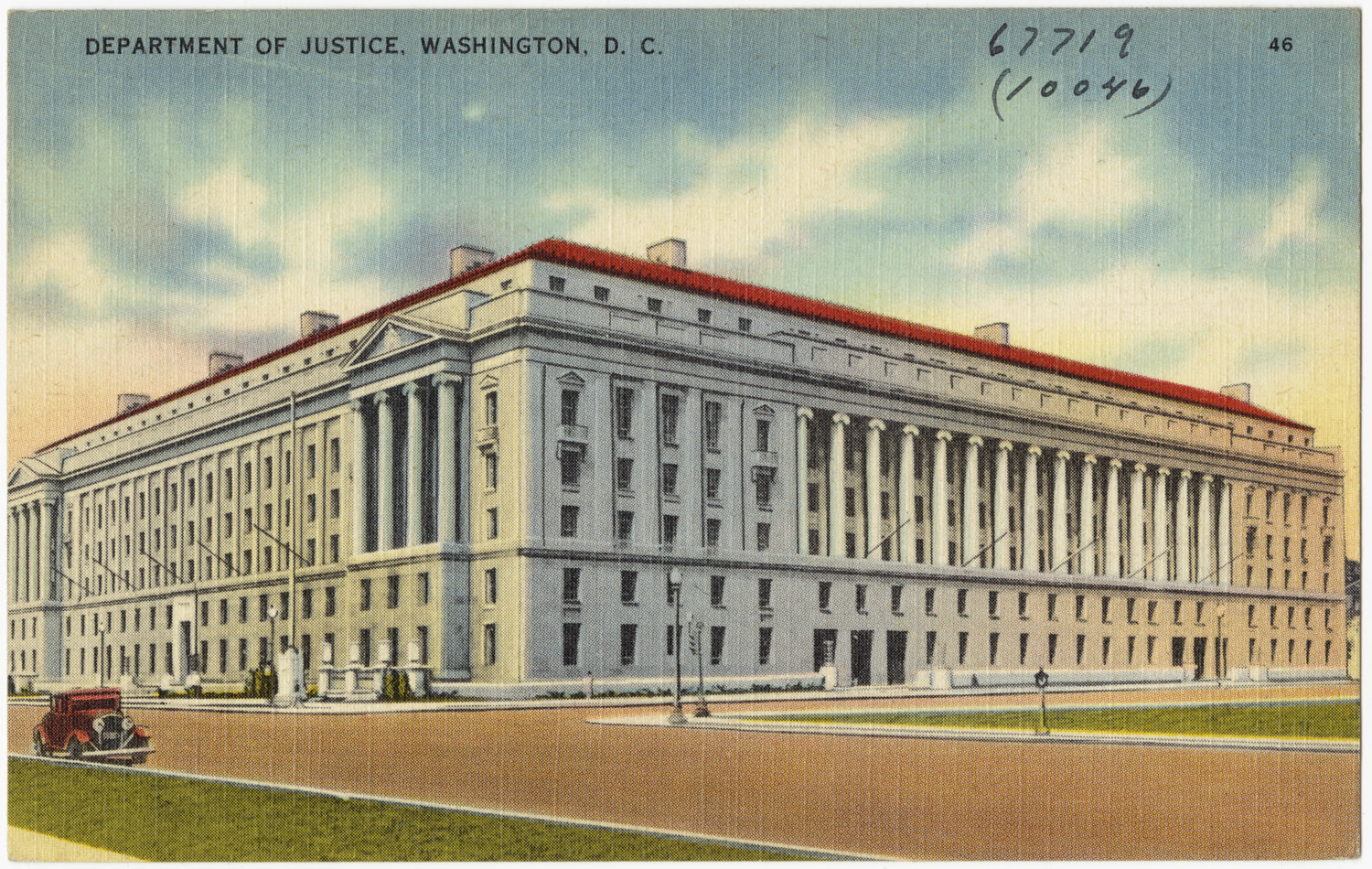
Trump admin fast-tracks deportations by pairing Department of Homeland Security and ICE removal work with a broader bid to strip citizenship from some immigrants. The Trump administration is speeding up deportations and denaturalization efforts, and the Justice Department is filing denaturalization actions against naturalized citizens accused of fraud or serious crimes, including fraudsters and priests accused of misconduct, in U.S. district courts across the United States. The campaign is being described as the largest denaturalization effort ever: DOJ announced 17 new cases, while Trump said Tuesday the government could revoke citizenship from certain naturalized immigrants and officials pointed to hundreds of potential targets.
The confirmed move is narrower than the rhetoric, but still significant. Denaturalization is one of the federal government’s most severe immigration tools because it can convert a citizen back into a noncitizen who may later face removal.
Seventeen cases, broader ambition
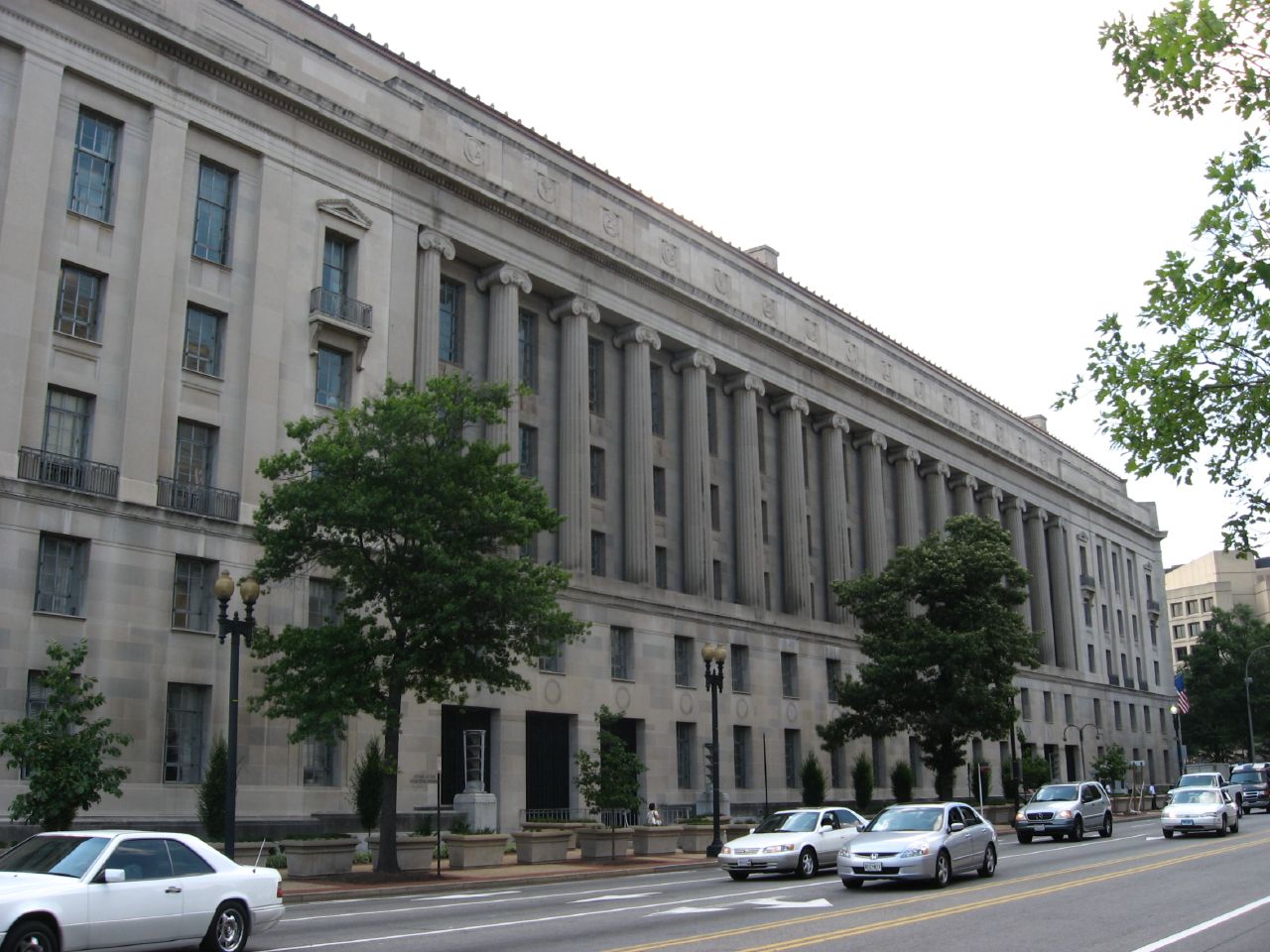
The Justice Department said it filed denaturalization actions against 17 people in various U.S. district courts. In its announcement, DOJ said the cases involve naturalized citizens accused of serious offenses, including sexual abuse of a minor, wire and bank fraud, and drug-related violations.
The department’s public examples focus on alleged lies or omissions during the naturalization process. That detail matters: the government is not claiming it can revoke citizenship simply because a naturalized citizen later committed a crime. It is arguing that the person should not have received citizenship in the first place because the application was illegally procured or obtained through concealment or willful misrepresentation.
Reuters reported that Trump said Tuesday his administration would move to revoke citizenship from naturalized immigrants convicted of fraud. The administration’s political message is much broader than the first batch of lawsuits: officials are presenting denaturalization as part of a larger crackdown on immigrants accused of gaming the system or hiding serious misconduct.
The gap between 17 filed cases and references to hundreds of potential targets is important. The public docket shows lawsuits. The larger number describes the administration’s claimed pipeline or enforcement universe, not a complete list of named defendants now before judges.
What denaturalization actually requires
Naturalized citizenship is not supposed to be easy to undo. Under the Immigration and Nationality Act, citizenship can be revoked if it was illegally procured or procured by concealment of a material fact or willful misrepresentation. DOJ must prove its case in court.
That means the Justice Department’s Civil Division is not merely issuing administrative cancellation notices. It is filing lawsuits and asking federal judges to revoke certificates of naturalization. Defendants can contest the allegations, challenge the evidence and argue that any false statement was not material to the citizenship decision.
The distinction is central to the due-process fight ahead. Supporters of the push say citizenship should not protect people who lied their way through the process, especially if the concealed conduct involved sex crimes, major fraud or drug trafficking. Critics worry that aggressive denaturalization campaigns can chill immigrant communities, invite political targeting and create a two-tier view of citizenship.
U.S.-born citizens generally are not subject to denaturalization. The tool applies to naturalized citizens, and only when the government can show legal grounds tied to how citizenship was obtained.
Deportation is a later step
The phrase fast-tracks deportations captures the administration’s goal, but the legal sequence is not instant. First, DOJ must win a denaturalization case. Only after citizenship is revoked can DHS and U.S. Immigration and Customs Enforcement pursue removal if immigration law permits it.
That next step can bring its own proceedings. A person who loses citizenship may still dispute removability, seek certain forms of protection or raise country-specific barriers to removal. In other words, denaturalization can open the door to deportation, but it does not always complete the process by itself.
That distinction may get lost in political framing. For the administration, the appeal is obvious: a court victory can erase the legal shield of citizenship in cases where officials say the person lied or concealed disqualifying conduct. For opponents, that same power is why the cases deserve close scrutiny.
The examples carry the message
DOJ’s announcement used hard-edged examples to sell the campaign. One listed case involves a Cuban-born woman accused of a health care fraud conspiracy tied to clinics that allegedly billed tens of millions of dollars for unnecessary or nonexistent physical therapy services. Another involves a Haitian-born man who, according to DOJ, concealed ongoing sexual abuse during the naturalization process and was later convicted in Florida.
The source article’s framing also highlighted fraudsters and priests accused of misconduct. Those categories are politically potent because they place the denaturalization debate around defendants many readers are unlikely to sympathize with.
That is a familiar enforcement strategy: launch a controversial legal push with the most disturbing fact patterns first. It can build public support, but it can also obscure the policy question. Once a denaturalization apparatus expands, the fight shifts from whether the worst cases should be brought to how broadly the government defines fraud, concealment and materiality.
The administration’s language is intentionally moral as well as legal. DOJ officials described citizenship as a privilege that must be earned honestly, and said people who defraud the process should expect consequences. Immigrant-rights advocates are likely to answer that citizenship is more than a benefit; once granted, it is a constitutional status that should not be vulnerable to political waves.
Why this push is different
Denaturalization is not new. The federal government has used it for decades in cases involving Nazis, war criminals, terrorism, immigration fraud and other serious misconduct. What changes under this push is the scale and the prominence the Trump administration is giving it inside immigration enforcement.
Calling it the largest denaturalization effort ever is both a claim of ambition and a political signal. It tells prosecutors to look for cases, tells DHS and ICE to prepare for possible removals, and tells Trump’s immigration base that citizenship revocation is part of the broader enforcement agenda.
The courts will determine how much of that ambition becomes reality. Judges will have to decide whether the alleged lies were material, whether the government has met the demanding burden for stripping citizenship, and whether old conduct can support current revocation claims.
For naturalized Americans, the practical takeaway is narrower than the loudest rhetoric but still consequential. The government is not claiming a general power to revoke citizenship from anyone it dislikes. It is claiming authority to unwind citizenship when it can prove fraud, concealment or illegal procurement. How aggressively DOJ uses that authority may define the next phase of Trump’s immigration crackdown.










Leave a Reply