

A security-driven presidential travel maneuver has become a broader story about who was close to Trump during a high-risk foreign trip. Key details about the reported threat, the flight arrangement and family concerns remain unresolved.
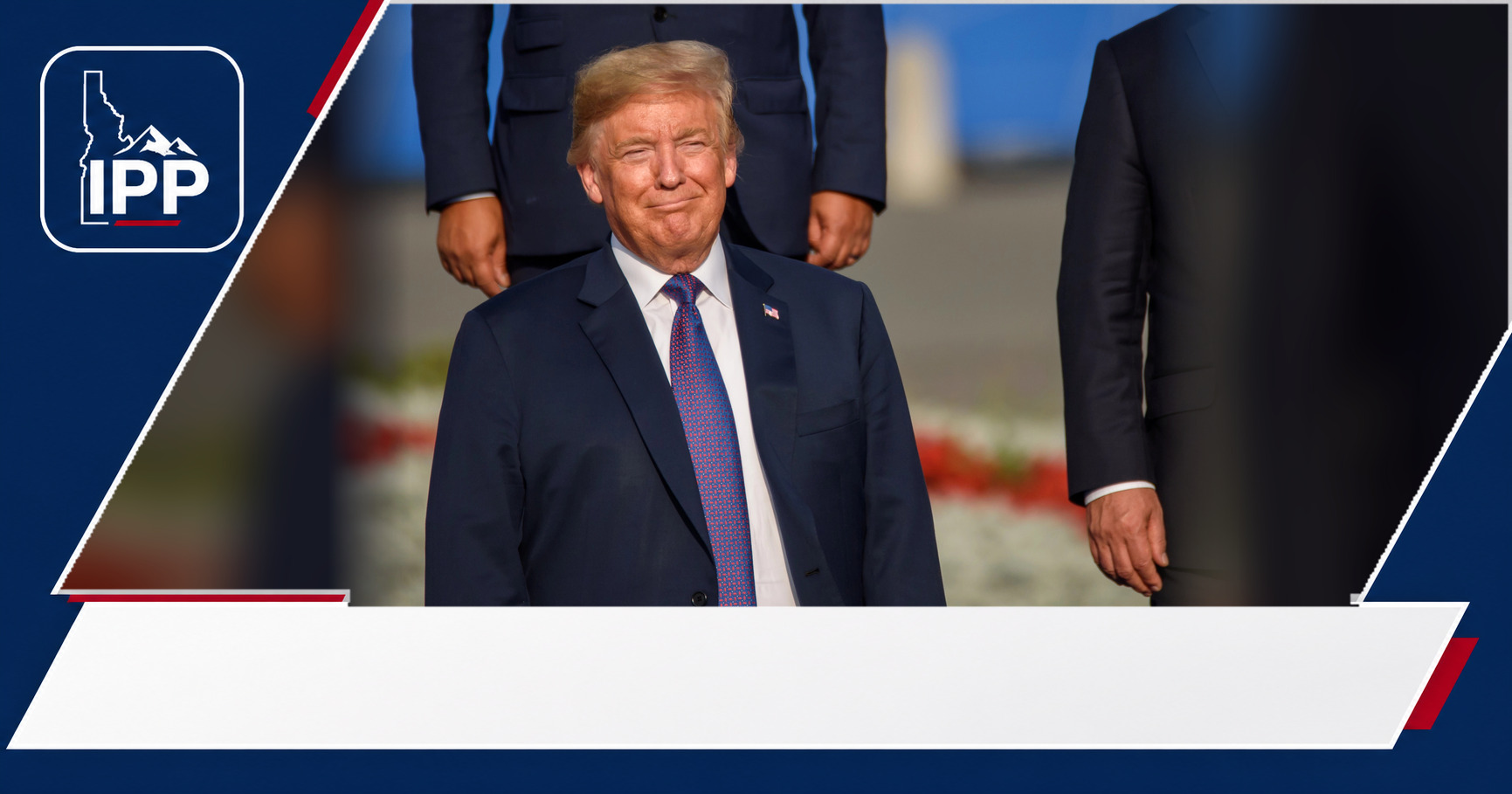
Donald Trump took an aide during a jet swap in Ankara, Turkey, after he secretly switched from one aircraft to another on July 8, according to reports on the security operation. The aide was identified by the BBC as executive assistant Natalie Harp, whose relatives have reportedly described her relationship with Trump as unhealthy.
The maneuver was meant to protect Trump during travel from Turkey, not to make a political statement. But the unusual split-flight operation, which reportedly left senior Cabinet officials and journalists on a decoy aircraft, has raised fresh questions about security planning, presidential access and the limited public account of what prompted the switch.
Trump left Ankara on another plane
The reported operation unfolded as Trump was departing Ankara after a NATO summit in Turkey. He initially boarded the aircraft expected to carry him, other administration officials and members of the press.
Before takeoff, however, Trump was quietly moved to a different military plane, according to reporting cited by the BBC. The transfer reportedly involved using a catering truck to move between aircraft without drawing attention.
Trump later told reporters that the military and the Secret Service made the decision and wanted him to take another flight. He did not publicly offer detailed information about the underlying threat, saying only that he receives many threats.
That distinction matters. The available reporting describes a protective operation, but it does not establish a complete public record of the intelligence that led officials to use it.
A decoy flight carried top officials
Secretary of State Marco Rubio and Treasury Secretary Scott Bessent remained on the original plane, which reportedly continued to be treated as Air Force One for call-sign purposes after Trump had departed it.
White House Deputy Chief of Staff Stephen Miller and communications director Steven Cheung were also among those reported to have stayed aboard. The BBC said Defense Secretary Pete Hegseth was on the smaller aircraft that carried Trump from Ankara.
Harp, Deputy White House Chief of Staff Dan Scavino and Oval Office operations director Walt Nauta were also reported to have traveled with Trump on that separate plane.
According to the BBC’s account, only a limited group knew Trump had changed aircraft. Reporters on the first plane reportedly did not realize it had become a decoy flight before departure.
The reported threat remains murky
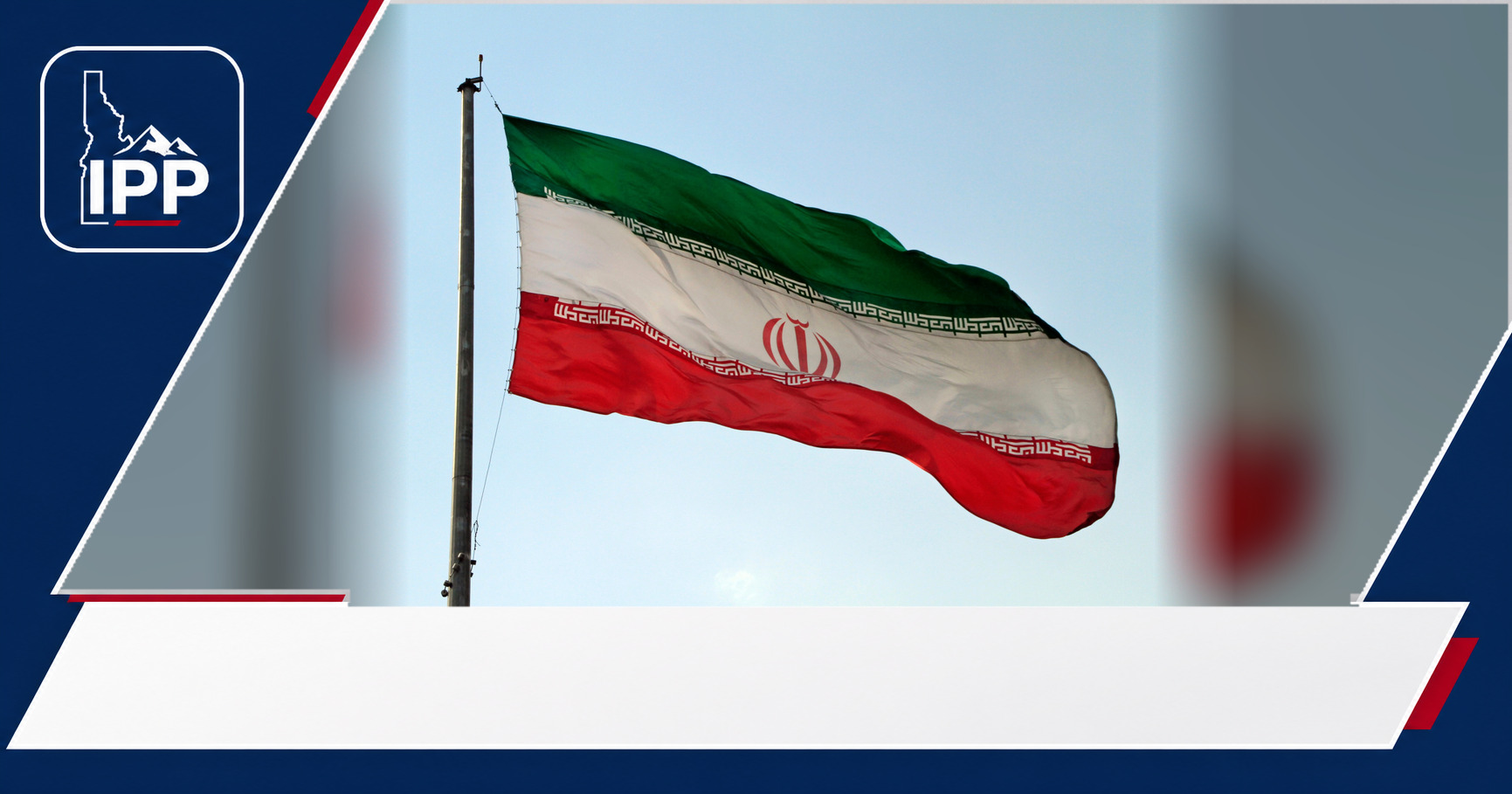
News organizations have described concerns about a possible Iranian threat during the trip, including reporting that someone carrying a portable surface-to-air missile may have been seen near the NATO gathering in Ankara. The specific details, source and assessed credibility of that warning have not been fully disclosed publicly.
The BBC reported that U.S. media accounts differed over how seriously American officials viewed the intelligence. One official, cited by The Washington Post, said the CIA considered the warnings Israeli-derived rather than U.S.-generated and assessed them with low confidence.
Other reporting cited intelligence shared by Israel regarding a possible Iranian plot against Trump. The public cannot independently assess those claims, and the administration has not supplied a detailed explanation of the danger facing Trump, other passengers or the press pool.
That uncertainty creates two competing readings of the episode. Supporters of the operation can view it as a prudent layer of protection for a president traveling abroad. Critics can reasonably question why those left on the original plane were not given more clarity, especially if the threat was serious enough to require a deception plan.
Why Natalie Harp’s presence drew attention
Harp’s presence on the plane with Trump has attracted attention because of her unusually close role in his orbit. She serves as an executive assistant and was among a small group reported to have traveled on the aircraft Trump used after leaving the first plane.
The Independent’s headline characterized Harp’s relatives as describing her relationship with Trump as unhealthy. The research available for this article does not include the relatives’ full remarks, the timing of those comments or a response from Harp, so that characterization should not be read as an independently established account of her personal life.
Still, the episode illustrates why personnel choices on a tightly controlled presidential trip can carry political resonance. When a president is separated from a larger traveling party, the people who accompany him can become a visible measure of who has access during an unusual and consequential moment.
There is no indication in the available reporting that Harp had a role in planning the flight change. Her presence alone does not establish why she was selected to travel on the alternate aircraft.
Decoys are not unheard of
Secret Service protection regularly relies on misdirection, often called a shell game, to make a president’s movements harder to predict. Armored limousines may change positions in a motorcade, and helicopters can use similar tactics.
More elaborate arrangements are especially associated with overseas travel in dangerous environments. The BBC noted that President Bill Clinton used an unmarked executive jet for a 2000 trip to Islamabad, Pakistan, after a decoy aircraft arrived first.
There is an important difference between accepting the general security logic and understanding this specific case. In past operations, officials have sometimes briefed journalists under embargo so the press can keep reporting accurately without disclosing movements in real time.
The White House Correspondents’ Association had not publicly detailed its position on the Ankara flight in the reporting reviewed by the BBC. Its president, Jacqui Heinrich, said in an internal message that she had raised concerns with administration officials about maintaining independent coverage.
The unanswered questions are practical
The core fact is relatively clear: Trump moved from one plane to another in Ankara as part of an effort intended to reduce a security risk. What is less clear is the severity of that risk, how much the people on the decoy plane knew and whether they faced any distinct danger.
The trip also puts a spotlight on the line between essential security secrecy and the press corps’ need to independently track a president’s movements. That tension is not new, but a decoy flight involving Cabinet secretaries makes it harder to treat as a routine logistics story.
For Harp, the reporting adds visibility without resolving the claims surrounding her relationship with Trump. Any fuller assessment would require on-the-record comment from Harp, her relatives or the White House, along with more detail than is available in the current accounts.
Until then, the Ankara switch stands as both a reminder of the real security concerns surrounding presidential travel and a case study in how secrecy can rapidly widen into questions about access, accountability and trust.





Leave a Reply