
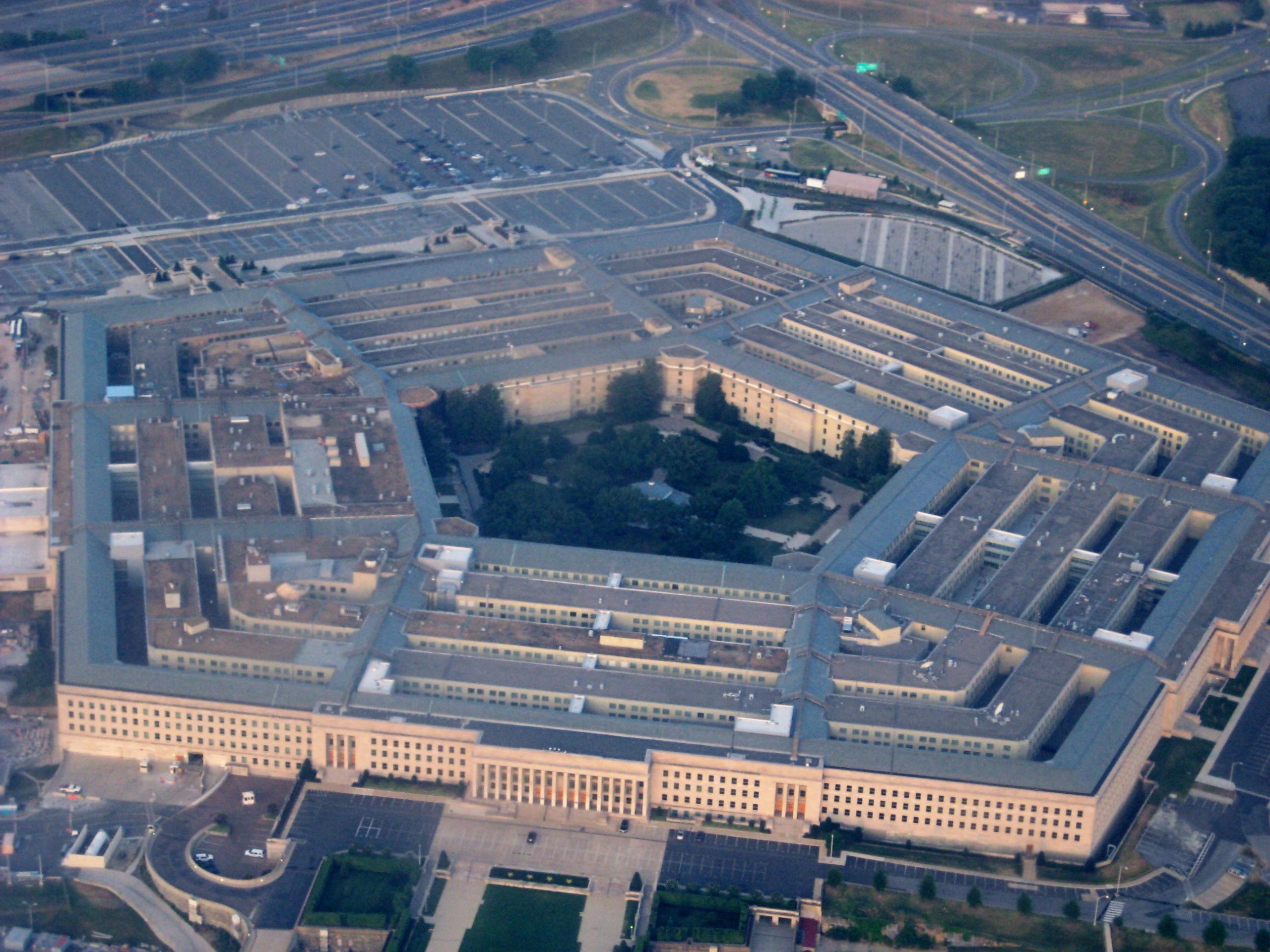
The defense request includes a major discretionary budget and a separate reconciliation funding stream. That structure gives Congress more than one place to push back.
The Pentagon needs funding, and key Republicans are skeptical of the request as the defense budget fight in Congress moves into a harder phase. Earlier this month, CNN reported, key Pentagon officials sat down with House spending leaders from both parties to argue for President Donald J. Trump’s FY 2026 national defense plan: a $1.01 trillion request outlined at the Pentagon, up 13.4% from fiscal 2025, with $848.3 billion in discretionary spending and $113.3 billion in mandatory funding through reconciliation.
That mix is the problem. The Pentagon is making an urgent case for more money, but the request lands in a Congress where even many Republicans who favor a stronger military are wary of how the administration wants to pay for it, what gets priority, and how much control appropriators would keep.
The ask is enormous
The Defense Department has framed the FY 2026 proposal as a response to several pressures at once: deterring China in the Indo-Pacific, replenishing munitions, modernizing nuclear forces, expanding shipbuilding, improving troop quality of life and strengthening the defense industrial base.

Senior defense officials, in a briefing described by the department, said the $1.01 trillion national defense request includes $848.3 billion in the regular discretionary budget. Another $113.3 billion would come through mandatory reconciliation funding, a budget mechanism that can move through Congress under special rules.
For the Pentagon, that second pot of money matters because it targets programs officials say cannot wait: shipbuilding, missile defense, munitions production and support for service members. For lawmakers, it raises a different question: whether the administration is trying to route major defense priorities around the normal appropriations process.
The fight is not simply over whether the U.S. spends more on defense. It is over who decides the details, how transparent those choices are, and whether a trillion-dollar proposal can be treated as both urgent and disciplined.
Why Republicans are hesitating
Republican skepticism is politically notable because defense spending has long been one of the party’s safer budget lines. But the current debate is more complicated than a standard hawk-versus-dove split.
House spending leaders have an institutional reason to be cautious. Appropriators write the annual funding bills, and reconciliation funding can feel like a shortcut around their authority. Even lawmakers sympathetic to the Pentagon may resist being asked to bless a package before they are satisfied with the program-level details.
There is also a fiscal argument. Some Republicans have campaigned on restraining federal spending, cutting waste and forcing agencies to justify their budgets. A defense request that rises 13.4% from fiscal 2025 gives skeptics an opening to ask why this increase is necessary, what was cut elsewhere, and whether the Pentagon can execute the money efficiently.
The Pentagon’s case is that the security environment is moving faster than the budget cycle. The skeptical view is that urgency should not erase oversight, especially when the request includes both a massive discretionary budget and a mandatory funding stream.
Where the money would go
The department’s own outline shows how broad the request is. The proposed budget is not just a single weapons list. It stretches across the services, strategic modernization, industrial capacity, cyber operations and military housing.
- Army: $197.4 billion in the proposed breakdown.
- Navy: $292.2 billion, with funding tied in part to shipbuilding and fleet needs.
- Air Force: $301.1 billion, including major aircraft and modernization programs.
- Defensewide accounts: $170.9 billion for programs not assigned solely to one service.
- Space Force: $40 billion within the Air Force request, described by officials as a 30% increase from fiscal 2025.
Among the headline items: $25 billion for an initial investment in the proposed Golden Dome for America missile defense initiative, $60 billion for nuclear enterprise modernization, $15.1 billion for cybersecurity and billions more for munitions and hypersonic weapons.
The Pentagon also says the proposal would put nearly $160 billion toward readiness, fund a 3.8% pay raise, and invest $5 billion in unaccompanied housing for service members. Those items are politically important because they let defense officials argue the request is about people and readiness, not only big-ticket hardware.
The cuts weaken the sales pitch
A trillion-dollar request can still include losers, and those choices may sharpen the congressional fight. The Defense Department’s outline says the proposal would cancel the E-7 Wedgetail early warning and control aircraft program, citing survivability concerns in contested environments.
It would also reduce planned procurement of the F-35 Lightning II from 74 aircraft to 47, while putting roughly $1 billion toward spare parts and readiness challenges for the fighter. That is the kind of trade-off that can create awkward politics: fewer aircraft in the near term, but more money aimed at sustaining the fleet already in service.
For Pentagon planners, those choices can be presented as modernization and discipline. They can argue that old assumptions have to change if aircraft, sensors and command systems are expected to survive against advanced adversaries.
For lawmakers, every cancellation and procurement cut has local, industrial and strategic consequences. A member may support the overall budget and still object if a program tied to jobs, bases or combatant commanders’ needs is reduced.
Appropriators still hold leverage
The president’s budget request is a proposal, not a final spending law. Congress can accept, reject, rewrite or delay large pieces of it. That makes the closed-door meetings with House spending leaders important: the Pentagon has to sell the plan to the people who can turn it into actual dollars.
The regular discretionary piece would move through the annual appropriations process. The $113.3 billion mandatory reconciliation component is different, and that difference is central to the tension. Reconciliation can be powerful, but it also invites fights over what belongs in the package and whether lawmakers are using budget rules to lock in policy choices.
Defense contractors, military families and state delegations will watch the details closely. Shipbuilding money affects yards and suppliers. Munitions expansion affects production lines that have been under pressure. Housing and pay provisions affect service members directly. Cyber and space funding shape the parts of the military that are growing fastest.
That is why skepticism from key Republicans matters. If the resistance is only procedural, the administration may be able to negotiate. If it reflects deeper doubts about priorities, timing or fiscal credibility, the defense budget fight could become more than a routine appropriations dispute.
What remains unsettled
Several questions are still open. It is not yet clear how many Republicans are willing to challenge the Pentagon’s preferred structure, or whether skepticism will translate into cuts, conditions or a slower timetable.
It is also unclear how Democrats will approach the package. Some may support readiness, pay and industrial-base funding while opposing border-security spending, nuclear expansion or missile defense priorities. Others may use Republican hesitation to demand changes of their own.
The Pentagon has said more detailed budget justification materials are being released in stages. Those documents matter because top-line numbers rarely settle congressional fights. The conflict usually comes in the program tables, procurement counts, construction lines and policy riders.
The clean takeaway is that the Pentagon is asking Congress for a historically large defense package at the same time Congress is reasserting its power over the fine print. The military wants speed. Key Republicans want answers. The budget process will decide which side gets more of what it wants.









Leave a Reply