

The reported loss fits a longer history of failed efforts to overturn the 2020 presidential election result. But key details needed to assess the latest ruling — including the court, case and legal reasoning — remain unavailable in the supplied material.
Donald Trump reportedly suffered another court defeat — described as his 21st court defeat — in an effort connected to challenging election results. The reported setback undermined his election scheme, but the available material does not identify the court, case, location, date or ruling that produced the count.
That missing information matters. Trump and his allies brought dozens of legal challenges after the 2020 election, and courts did not overturn Joe Biden’s victory. A new loss may add to that record, but a headline count alone cannot explain what a court decided or how much legal consequence it carries.
What the reported loss establishes
The available report characterizes the development as a 21st court defeat involving Trump’s election-related efforts. It presents the ruling as another blow to an attempt to challenge or overturn election results.
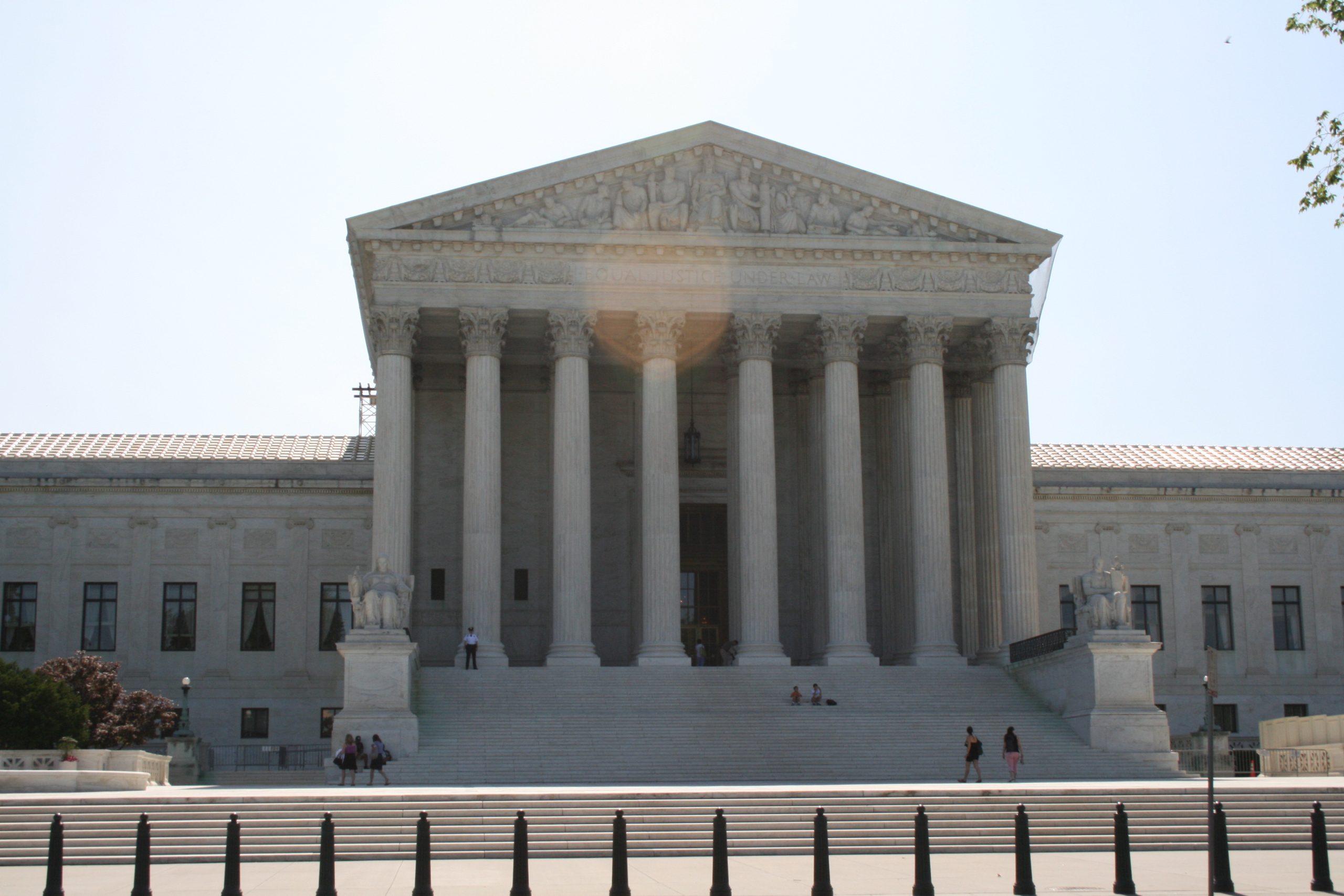
Yet the source material supplied for this article contains no docket number, judicial opinion, party filings or court statement. It does not say whether the case concerns a direct challenge to vote totals, an election-administration dispute, a related civil action or another legal proceeding.
That distinction is essential in any election case. A ruling can dismiss a lawsuit on procedural grounds, reject a factual claim, resolve a narrow dispute over a filing, or address a larger constitutional question. Those outcomes may all be called losses, but they are not interchangeable.
The key facts still missing
Several basic details cannot be independently established from the material provided:
- Which court issued the decision
- Which case or legal claim was at issue
- When the decision was issued
- Whether the ruling was on the merits or procedural grounds
- How the figure of 21 was calculated
- Whether an appeal is available or has been filed
The absence of those details does not prove the reported ruling did not happen. It means readers should be cautious about treating a punchy numerical claim as a complete account of a legal decision.
Election litigation is especially vulnerable to shorthand because many challenges can involve overlapping claims, multiple plaintiffs, emergency motions and appeals. Different trackers can count cases, rulings, dismissed claims and appeals differently.
The documented 2020 legal record
There is clearer, well-established context for Trump’s broader post-2020 election effort. According to the BBC’s reporting from December 2020, Trump and his supporters launched dozens of lawsuits challenging the election outcome. None succeeded in overturning Biden’s victory.
One of the most prominent cases came from Texas, whose attorney general sought to invalidate presidential election results in Wisconsin, Michigan, Pennsylvania and Georgia — states Biden had won. Trump supported the suit and moved to intervene as a plaintiff.
The U.S. Supreme Court rejected the Texas action. In its brief order, the court said Texas had not demonstrated a legally cognizable interest in how another state conducts its elections. The decision did not grant the requested intervention into other states’ election outcomes.
That case illustrated a recurring obstacle for election challenges: courts require a plaintiff to show a valid legal basis for bringing a claim, not simply a political disagreement with an election result. It also showed that extraordinary remedies, such as discarding another state’s electoral votes, face an exceptionally high bar.
Why a court count can mislead
A tally such as “21st court defeat” is politically powerful because it makes a complex litigation history sound definitive and easy to measure. Supporters of Trump may argue that some cases were dismissed without a full evidentiary trial and therefore should not be treated as findings on every allegation. Critics counter that procedural dismissals are still legal defeats when the requested remedy is denied.
Both points can be true at once. Courts regularly dispose of cases through standing, jurisdiction, timing, pleading requirements and other threshold rules. Those rules are not technical distractions from the judicial system; they determine whether a court has authority to hear a claim at all.
At the same time, a dismissal does not necessarily mean a judge reviewed every factual assertion or rendered a sweeping judgment about every election-related allegation. The most accurate description depends on the actual opinion, which is not included in the supplied reporting.
The stakes extend beyond one case
The lasting significance of Trump’s election challenges is larger than any single ruling. The 2020 effort tested whether courts would accept attempts to set aside certified election results through litigation after states had completed their vote-counting and certification processes.
The Supreme Court’s rejection of the Texas case left the states’ results intact. Biden won the 2020 Electoral College vote 306 to 232 and led the nationwide popular vote by more than seven million, according to the BBC’s contemporaneous report.
Legal disputes over elections can be legitimate and routine, particularly when they focus on access to ballots, vote-counting procedures or statutory deadlines. The far more consequential question is whether litigation can be used to overturn certified outcomes without a legal and factual basis sufficient to persuade a court.
What would clarify the latest claim
For the reported 21st loss to be assessed fairly, readers would need the court’s name, the case caption, the decision date and the judge’s reasoning. Those records would show whether the ruling affects any live election-related claim or is instead a narrower procedural defeat.
They would also show whether the result is final. A trial-court ruling can be appealed, and a denial of emergency relief can be followed by further litigation. Conversely, some decisions close off a specific path while leaving no practical route to revive it.
For now, the strongest supported conclusion is limited but meaningful: the reported court defeat belongs to a broader record in which Trump-backed efforts to overturn the 2020 election did not change the outcome. The specific legal weight of the claimed 21st defeat remains unclear without the underlying ruling.











Leave a Reply