
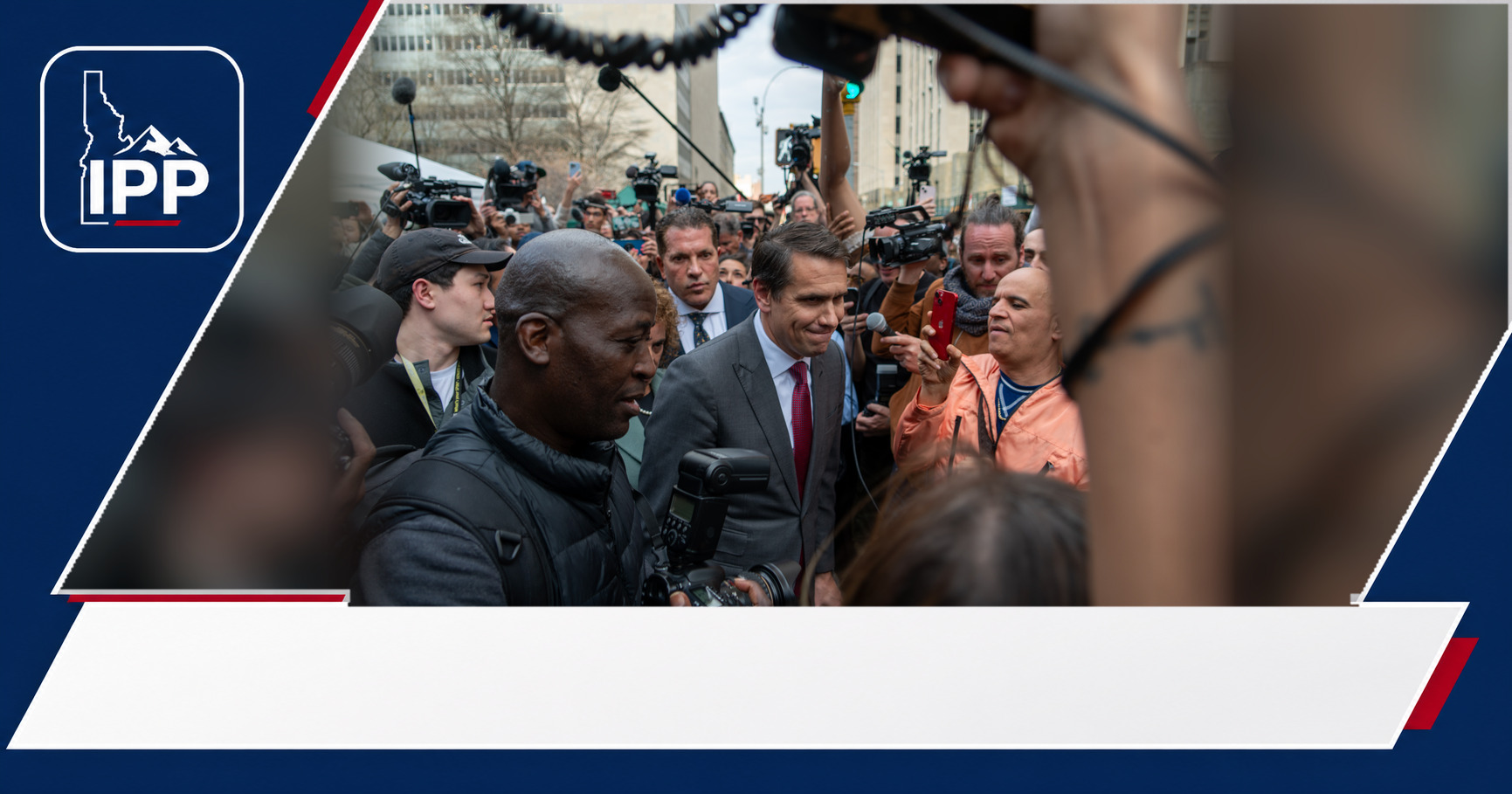
A legal expert’s warning has added scrutiny to Todd Blanche’s bid to become attorney general as his Senate path tightens. The key question is not only whether he has the votes, but what standards senators will apply to a nominee with close ties to President Donald Trump.
Todd Blanche is awaiting a U.S. Senate confirmation vote to become attorney general, and a legal expert has raised concerns about Blanche as that vote approaches. The warning has intensified attention on whether senators will see President Donald Trump’s former personal lawyer as an experienced advocate or as a nominee whose closeness to the president demands unusually searching oversight.
The immediate stakes are concrete: the attorney general leads the Justice Department, which makes federal law-enforcement policy and supervises major litigation. Reuters reported that Republican Sen. Susan Collins said she would vote against Blanche, narrowing his route to confirmation.
One vote can reshape the math
Cabinet nominations require Senate confirmation, and the decisive calculation is often simpler than the public argument surrounding it: how many senators are prepared to vote yes, no or remain undecided.
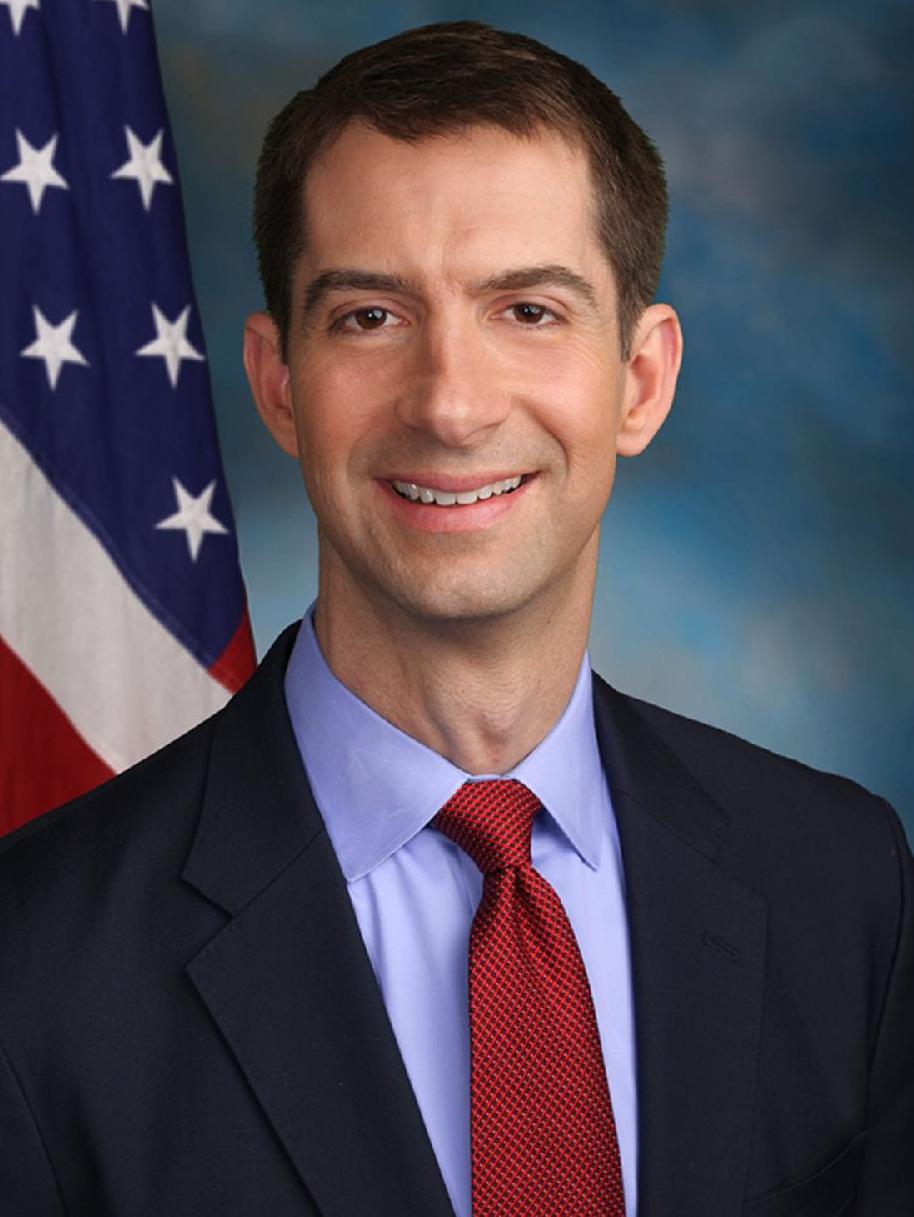
Collins’ announced opposition matters because party-line support can leave little room for defections. It does not by itself decide Blanche’s nomination, but it raises the pressure on the White House and Senate leaders to hold the rest of their coalition together.
The precise timing of a floor vote, the full count of committed supporters and the positions of other possible holdouts were not established in the material available for this report. Those details will determine whether the nomination is headed for a narrow confirmation, a delay or a more serious setback.
The warning needs a clear record
The source headline says a legal expert sounded the alarm about Blanche, but the available extracted material does not identify that expert or set out the specific legal argument behind the concern. That distinction is important in a confirmation fight, where an alarming characterization can travel much faster than the facts needed to assess it.
A warning from a lawyer or legal commentator is not a finding of misconduct, an ethics ruling or a judicial decision. It can still carry weight if it points to documented conflicts, past statements, recusal issues or views about the limits of executive power. But senators and the public need the underlying claim, its evidence and Blanche’s response before treating it as more than a serious allegation or critique.
That is where the confirmation process is supposed to do its work. Senators can seek records, question the nominee in public, request written answers and press the administration to explain how it would protect the department’s institutional independence.
Blanche’s Trump connection is central
Blanche’s previous role as Trump’s personal lawyer is likely to sit at the center of the debate. Supporters may argue that private-sector courtroom experience and a president’s trust in a nominee are legitimate qualifications for leading the department.
Critics are likely to focus on the opposite concern: whether a lawyer with a close professional relationship to the president can maintain enough distance from the White House in matters involving the president, his allies or his political opponents.
Neither side can settle that question with biography alone. The more revealing issues are how Blanche describes the attorney general’s obligations, what recusal commitments he would make, and whether he accepts that the department’s lawyers and investigators must follow law and evidence rather than political preference.
The Justice Department job is different
The attorney general is a presidential appointee, but the office is not merely another political communications post. The position oversees federal prosecutors, the FBI and the department’s civil, criminal and national-security work.
That creates an unavoidable tension. Presidents naturally expect their attorneys general to execute their policy agenda. At the same time, the department’s legitimacy depends heavily on public confidence that charging decisions, investigations and courtroom positions are not being used to reward allies or punish adversaries.
For that reason, a confirmation hearing should be more than a referendum on whether a nominee shares the president’s priorities. It should test practical safeguards: commitments to follow ethics rules, processes for handling conflicts and a willingness to resist improper pressure.
- For supporters: the central question is whether Blanche has the experience and judgment to manage a vast federal department.
- For critics: the focus is whether his professional relationship with Trump could compromise, or appear to compromise, independent decision-making.
- For senators: the task is to determine whether assurances are specific enough to be meaningful after confirmation.
Confirmation scrutiny is not disqualification
Close questioning of a nominee does not prove the nominee is unfit. High-level Justice Department nominations routinely draw scrutiny because the role involves exceptional authority, confidential investigations and decisions that can affect public trust across the country.
Likewise, a former personal lawyer is not automatically barred from serving in government. The relevant issue is whether the nominee can meet the ethical and legal obligations of the office, including stepping aside when appropriate and respecting career officials’ professional responsibilities.
The debate is therefore likely to turn on specifics rather than broad labels. A generalized legal warning may shape attention, but documented facts, hearing testimony and enforceable ethics commitments are what can give it lasting force.
What senators will watch next
Blanche’s nomination now faces two parallel tests: the vote count and the credibility test. Collins’ opposition shows that at least one Republican is unwilling to support him, while the public warning creates added demand for a fuller explanation of the concerns being raised.
The next meaningful developments would be a scheduled Senate vote, additional statements from senators, a public account of the legal critique and any response from Blanche or the administration. Until then, it remains unclear whether the warning will alter more votes or simply become another argument in an already high-stakes confirmation battle.
What is clear is why the contest matters beyond one nominee. The Senate’s decision will signal how closely it intends to examine the line between a president’s trusted lawyer and the official charged with leading the nation’s principal law-enforcement department.








Leave a Reply