
The central issue is no longer just whether a U.S.-Iran agreement can be reached, but whether both sides agree that a formal negotiating process exists. Conflicting public statements leave the status of Donald Trump’s deal effort uncertain.
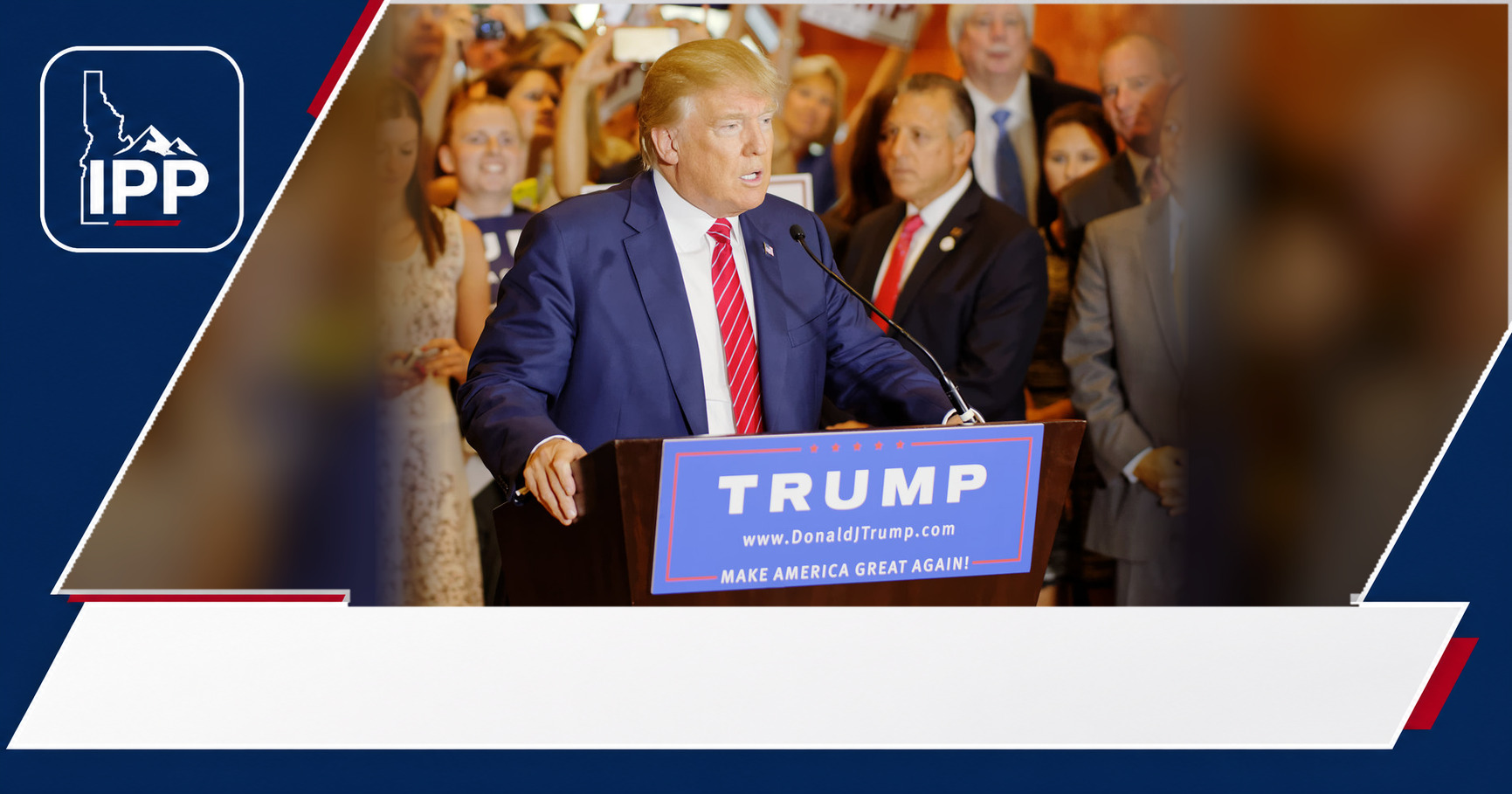
Donald Trump’s deal effort with Iran appears to be in serious trouble because the two sides do not appear to agree publicly on whether formal talks are even planned. A CNBC Daily Open item described the deteriorating status of Trump’s deal, while Reuters reported that Trump said talks with Iran were under way but Tehran denied any planned negotiations.
That contradiction matters now because diplomacy cannot move toward an agreement without a shared process, clear participants and a basic account of what is being discussed. The available reporting does not establish that a final deal existed or was close, but it does point to a widening credibility problem around Trump’s stated push for one.
Two sharply different accounts
Reuters’ reporting framed the immediate dispute plainly: Trump said talks with Iran were under way and characterized the moment as a last chance for Tehran to reach an agreement. Iranian officials, according to the Reuters headline and summary, denied that planned talks were taking place.
Those are not minor differences in tone. One side is describing active diplomacy; the other is disputing the existence of a scheduled negotiating track. Until that discrepancy is resolved, declarations about progress or collapse should be treated cautiously.
There are several possible explanations, and the available material does not settle which one applies. Contacts can occur indirectly through intermediaries, officials can disagree over whether exploratory outreach counts as talks, or public denials can be part of the bargaining itself.
But each explanation carries the same practical consequence: a potential agreement is on unstable ground when the parties cannot publicly confirm the forum in which they are meant to negotiate.
A deal needs more than pressure
Trump’s public language, as summarized by Reuters, suggested urgency and pressure on Tehran. That approach can be intended to force movement, especially when one side believes time, sanctions, military risk or political pressure favors a quick decision.
Iran may see the same language differently. A public deadline or “last chance” message can narrow room for leaders to compromise, especially if accepting talks could be portrayed domestically as yielding to U.S. demands.
Negotiations between Washington and Tehran have long been affected by this tension. Public posturing can serve an audience at home, while private channels may remain open. It can also make any compromise harder to sell once the public rhetoric has escalated.
That is why the current dispute is more significant than a disagreement over scheduling. It raises questions about whether both governments share even a minimum understanding of the diplomatic path forward.
Why the denial changes the picture
A denial of planned talks does not prove that all communication has stopped. Governments often use third parties, back channels and informal messages before announcing direct negotiations. The limited information available leaves open the possibility of contacts that neither side wants to describe in detail.
Still, Tehran’s denial weakens confidence in the idea that a Trump-backed deal is nearing a decisive phase. If no meeting is agreed, there is no verified timetable, no publicly identified agenda and no indication that negotiators have reached common ground on the issues that would define an agreement.
The distinction matters for markets, allies and regional governments as well as for voters following U.S. foreign policy. Each group may make decisions based on whether confrontation appears likely, sanctions might change or a diplomatic opening is genuinely taking shape.
For now, the most defensible reading is narrower: Trump has publicly presented an opening for talks, while Iran has publicly contested the premise that such talks are planned.
The missing terms are crucial
The reporting available here does not spell out what a prospective deal would cover. That is a major limitation. A U.S.-Iran arrangement could involve nuclear activity, sanctions relief, regional security, detainees, military de-escalation or several issues at once; those subjects cannot be assumed without confirmed details.
Nor is there enough information to say what concessions, if any, Washington is seeking or offering. A deal’s viability depends on those specifics, not on the word “deal” alone.
That uncertainty leaves room for competing interpretations. Supporters of a pressure-first approach may argue that public warnings are designed to bring Iran to the table. Critics may argue that announcing momentum before an agreed framework exists can make diplomacy more brittle and harder to verify.
Both views depend on facts that have not been publicly established in the available reporting: whether substantive contacts are occurring, who is involved and whether either side has outlined terms it could accept.
What would show real movement
The next meaningful signs will be concrete rather than rhetorical. A jointly acknowledged meeting, confirmation from a credible intermediary, named negotiators or a shared description of an agenda would indicate that the process has moved beyond conflicting claims.
Likewise, any agreement would need more than a declaration of intent. Readers should look for details on scope, timing, verification, enforcement and what each side would do if commitments are not met.
Absent those markers, the status of Trump’s deal remains uncertain rather than definitively dead. The CNBC framing that it seems to be in dire straits reflects the visible problem: the public evidence points to friction at the very first stage of diplomacy.
The key takeaway is simple. A deal cannot be judged by presidential optimism or by a single denial alone, but the gap between Trump’s account and Tehran’s account is itself a serious warning sign for any effort to turn talks into an agreement.






Leave a Reply