
The move turns a rare bipartisan housing push into a political warning shot. The law still advances, but the fight says a lot about Washington’s affordability problem.
President Donald Trump did not veto one of Congress’ biggest housing bills in decades. He also refused to put his name on it.
That unusual middle path lets the measure become law while turning what might have been a bipartisan victory lap into a protest over a separate voting bill Trump wants passed. For renters, buyers and builders, the question now is less about the signature and more about whether the new law can make homes easier to build and afford.
A signature fight with real stakes
Trump allowed the bipartisan housing package to become law without his signature after saying he would not sign it in protest over the Senate’s failure to advance the SAVE America Act, according to the Associated Press.
In a social media post cited by the AP, Trump said he would not sign the housing bill because the Senate was not capable of passing the voting measure he has been pushing. The voting proposal would require proof of citizenship for voters, a priority Trump has elevated even as lawmakers in both parties pointed to housing costs as an urgent economic issue.
The president had a deadline: sign the bill, veto it, or let it take effect without his signature. By declining to veto it, Trump avoided killing a measure that had already won overwhelming support in Congress. By refusing to sign it, he denied lawmakers the full ceremonial win they expected.
The law moves without him
A bill can become law without a president’s signature if Congress has passed it and the president does not veto it within the required window while Congress remains in position to receive a veto. That is the route this housing measure took.
Politically, that matters. Trump did not block the legislation. He also made clear he did not want the housing bill to become a clean win for Congress, or for his own party, while his preferred voting measure remained stalled.
The housing bill passed by wide margins: 85-5 in the Senate and 358-32 in the House, according to the AP. Those numbers are rare in a polarized Washington, especially on a pocketbook issue that affects renters, first-time buyers, builders, local governments and investors.
House Speaker Mike Johnson had publicly urged Trump to sign the measure, saying after it was sent to the White House that he hoped the president would use the “fattest black marker” available. Johnson also said that even without Trump’s signature, the bill would still become law.
What the housing law tries to do
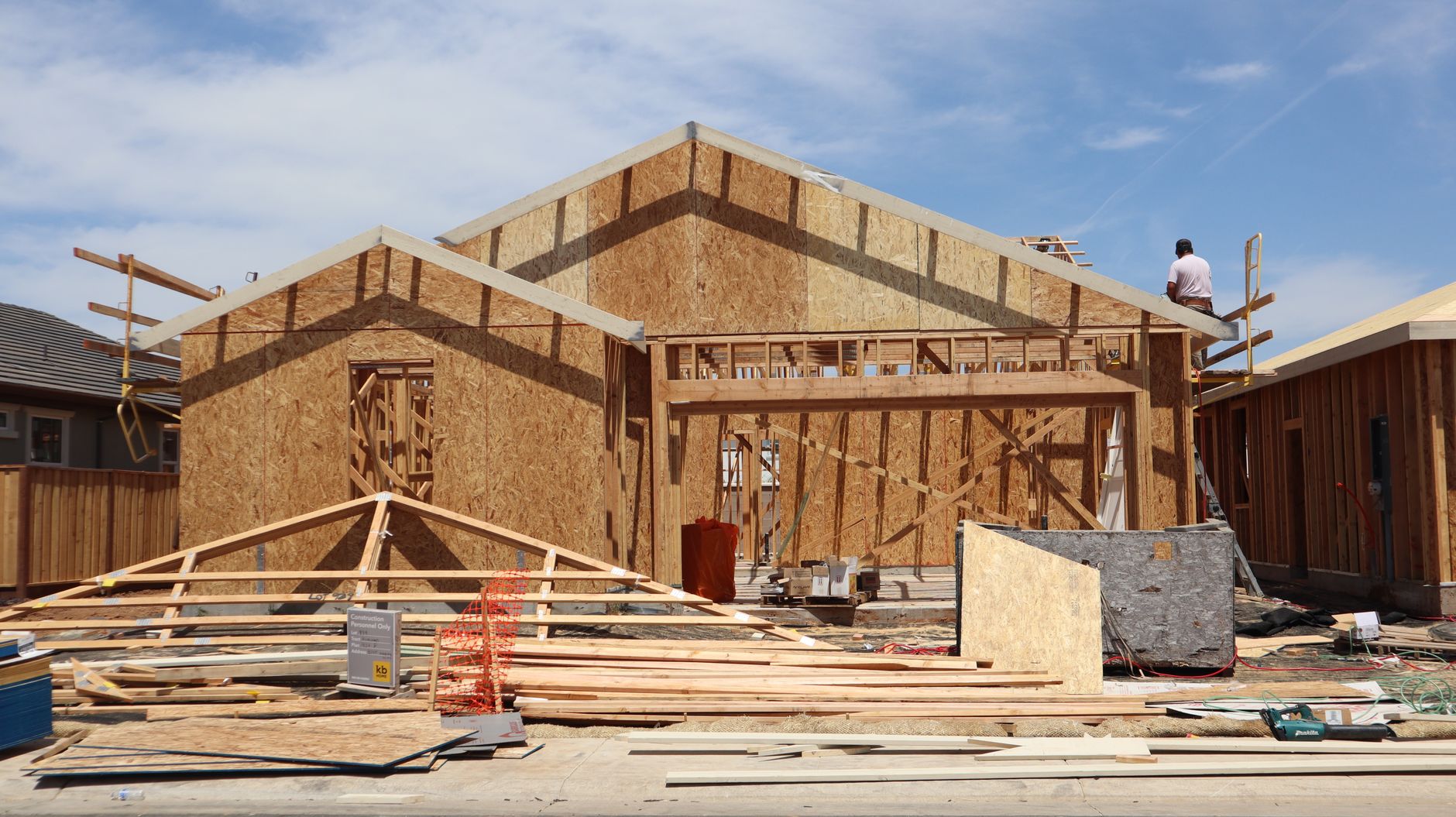
The legislation, called the 21st Century ROAD to Housing Act, is aimed at lowering housing costs by making it easier and faster to build. The AP described it as the broadest federal effort in decades to address the country’s housing affordability crunch.
The bill seeks to reduce certain federal housing rules, streamline environmental reviews, speed up home construction and limit the ability of corporations to buy single-family homes. Supporters argue that the country cannot solve affordability without increasing supply, especially in high-opportunity areas where jobs have grown faster than housing.
White House economists estimated earlier this year that the United States faces a shortage of 10 million homes, according to the AP. That gap has helped push prices beyond the reach of many buyers and kept pressure on rents in many markets.
The real estate industry and housing advocates have backed the legislation, though not always for identical reasons. Builders and developers tend to focus on permitting and regulatory delays. Housing advocates tend to emphasize supply, access and the need for more homes in places where people can find work.
Why the politics got messy
The housing bill could have offered Trump and congressional Republicans a clear message on affordability heading into a midterm election year: Washington acted on one of voters’ biggest financial stresses.
Instead, Trump used the moment to pressure lawmakers on voting rules. He had already surprised Republicans in late June by canceling plans for a signing ceremony and saying he would not approve the housing bill until lawmakers first moved on the voting measure, the AP reported.
The strategy created tension inside the GOP. Republicans could still claim credit for passing the housing law, but Trump’s refusal to sign it complicated the messaging. It also gave Democrats a straightforward attack: that the president was treating housing costs as leverage for a separate political priority.
Senate Democratic leader Chuck Schumer criticized Trump’s move, saying on X that the president’s priorities were clear. The White House and Trump allies, by contrast, framed the refusal as a way to highlight election integrity legislation they argue is more urgent.
What it will not fix
Even if the law works as intended, it is not a magic switch for cheaper rent or lower mortgage payments. Housing affordability has been building into a crisis for years, and it has several causes the federal bill cannot solve on its own.
The AP noted that the measure does not address every driver of high housing costs, including a shortage of construction workers, rising insurance costs and wages that have not kept pace for many renters and buyers. Local zoning rules, land prices, interest rates and regional demand will also continue to shape what people pay.
The latest market data show why the issue has political force. The National Association of Realtors said the median sales price rose 1.8% in June from a year earlier to $440,600, an all-time high in data going back to 1999, according to the AP.
That figure captures the squeeze facing would-be buyers: prices remain high even as many households are already stretched by borrowing costs, insurance, taxes and everyday expenses. For renters, a shortage of homes for sale can also keep more people in the rental market longer, adding pressure there too.
The next test is execution
The law now moves from political theater to implementation. Agencies will have to write rules, interpret the law’s instructions and coordinate with states, local governments and industry players. That process can determine whether a sweeping bill actually changes what happens on the ground.
The biggest test will be whether the law produces more housing where it is needed most. Faster reviews and fewer barriers may help, but new homes still require land, labor, financing and local approval. In many expensive markets, the hardest fights happen at city halls and planning boards, not just in Congress.
Trump’s refusal to sign the bill does not stop it from becoming law. But it does leave a political imprint on a measure that otherwise might have been remembered mainly for its bipartisan vote count.
For households watching prices climb, the ceremony matters less than the results. The law’s promise is more supply and less red tape. The risk is that Washington celebrates a breakthrough while families wait months or years to feel any difference.







Leave a Reply