
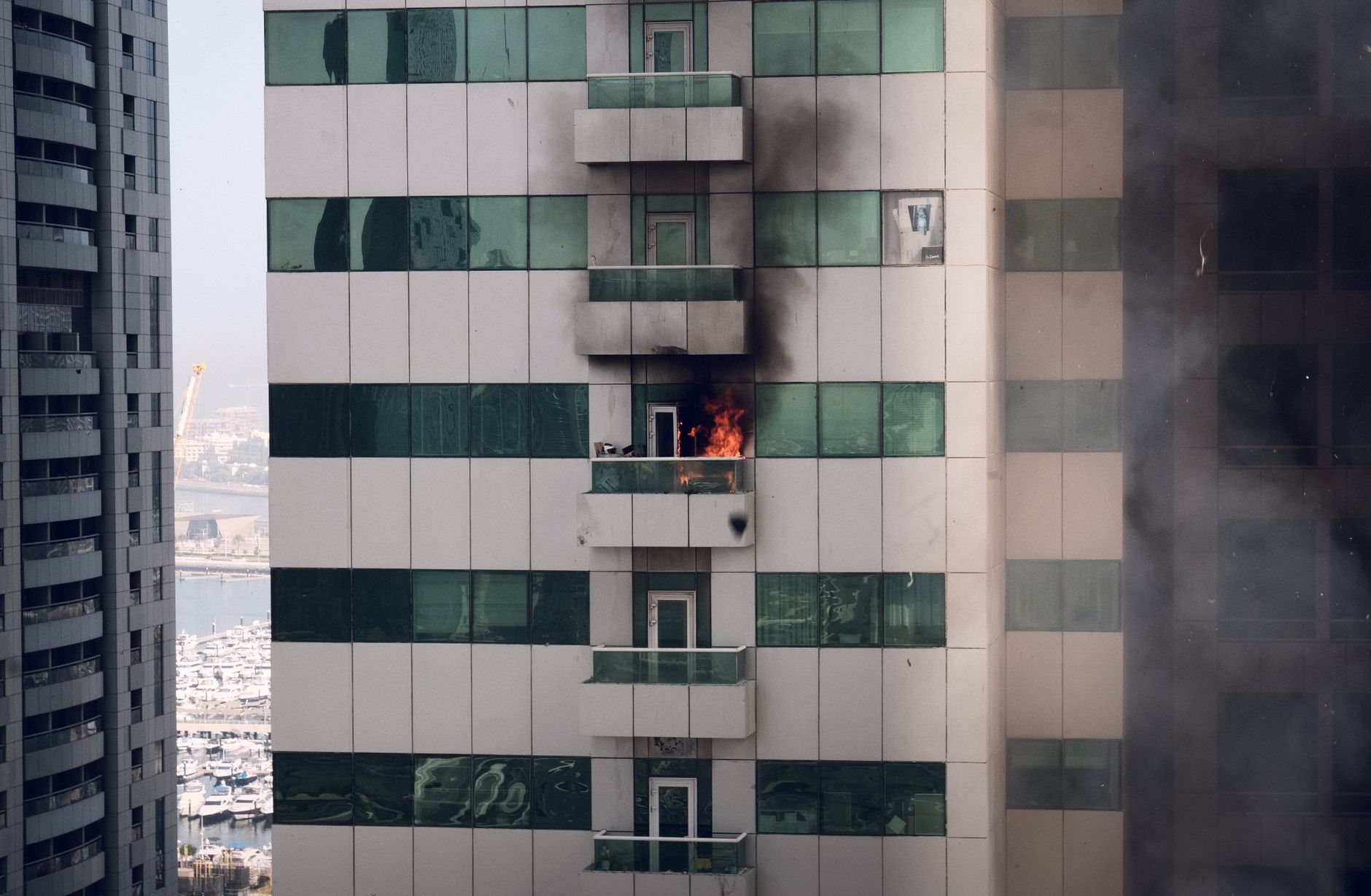
A reported strike on a U.S. operations center in Kuwait has become more than a battlefield tragedy. Survivors are now questioning whether the deaths could have been prevented.
Six U.S. troops were killed in an Iranian drone strike in Kuwait, and survivors are now making an accusation that cuts deep into the military chain of command: they say senior leaders ignored warnings before the attack.
The strike, reported by The Washington Post, hit a U.S. operations center at Port Shuaiba on the second day of the war. For the troops who lived through it, the central question is no longer only what Iran did. It is whether American commanders failed their own people before the drone arrived.
The claim now facing commanders
According to The Washington Post, survivors of the attack say generals disregarded warnings ahead of the deadly strike. The report describes a drone hitting the unit’s operations center at Port Shuaiba in Kuwait, killing six U.S. service members.
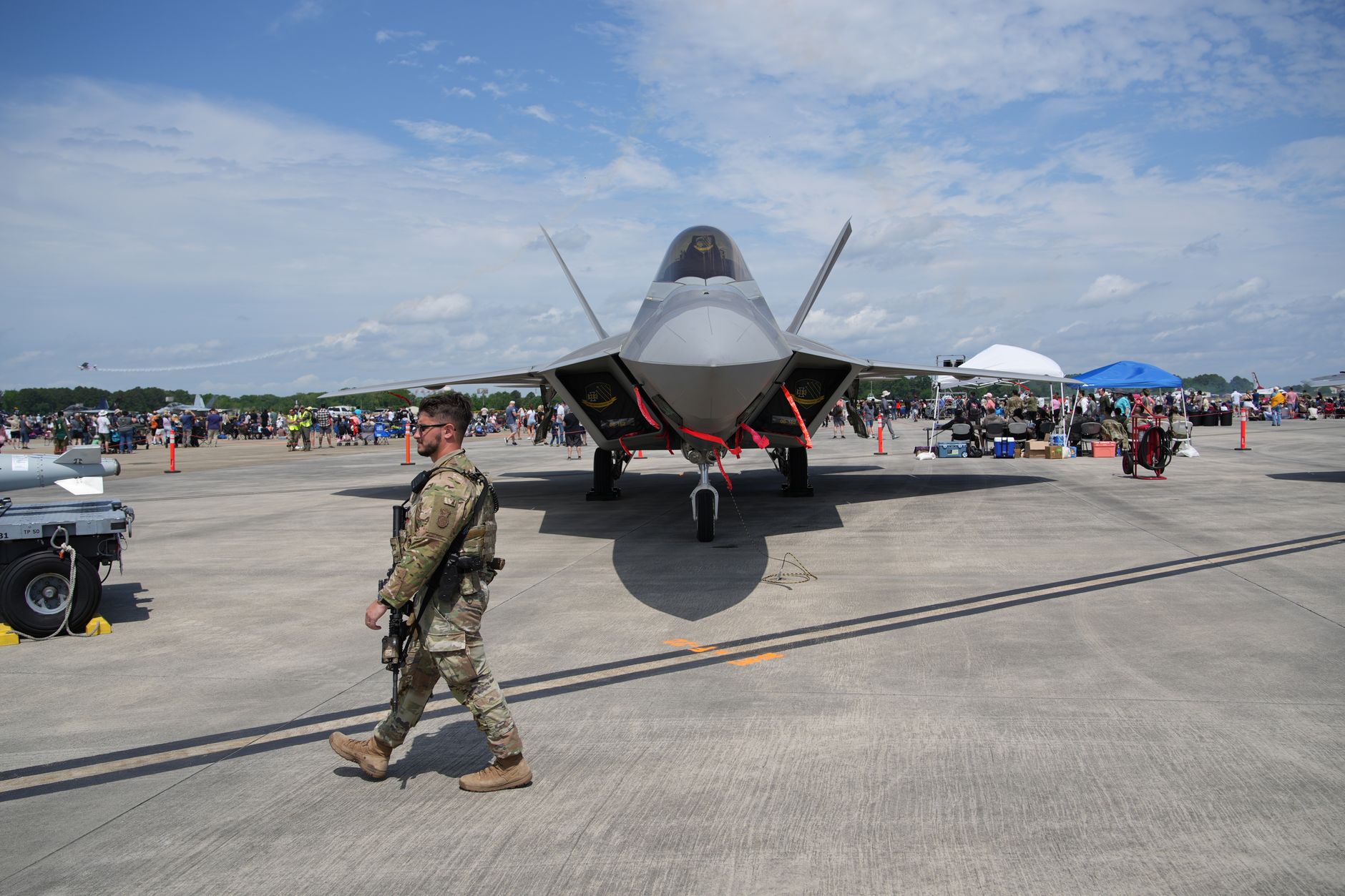
The Post’s account says those who were there fear no one will be held accountable. That concern is significant because military accountability often turns on what commanders knew, when they knew it and whether they acted reasonably under the threat conditions at the time.
The article preview identifies one of the fallen as Maj. Jeffrey R. O’Brien, whose remains were shown in a flag-draped transfer case at Dover Air Force Base in March. The public detail underscores the human cost behind a story that could otherwise sound like an abstract dispute over command decisions.
The allegations have not been independently verified here beyond the Post’s reporting. But the seriousness of the claim is plain: survivors are saying the danger was not simply unpredictable, and that warnings existed before the attack killed Americans.
A strike far from Iran
Port Shuaiba is in Kuwait, a U.S. partner country that has long hosted American military activity and logistics in the Gulf region. A strike there would not just be a tactical event. It would signal an ability or willingness to hit U.S. personnel outside Iran’s borders.
The Washington Post reported that the attack occurred on the second day of the war. That timing matters because early-war conditions are often chaotic, with commanders racing to protect bases, move personnel, harden facilities and interpret intelligence that may be fragmentary.
Those pressures do not erase responsibility. If warnings were clear enough to require action, investigators would likely examine whether protective measures were available, whether personnel should have been moved, whether air defenses were properly positioned and whether commanders accepted unnecessary risk.
Survivors’ accounts can be crucial in that kind of review. They may know what was said inside the unit, what alerts circulated and how leaders responded in the hours or days before a strike.
Iran’s drone threat is not new
The broader threat environment around Iran has been well documented by U.S. authorities. The FBI says the Iranian regime has been linked to intelligence and military operations that threaten U.S. security, including cyber activity, attempted attacks, espionage and efforts to obtain sensitive technology for military programs.
That does not prove what happened at Port Shuaiba. It does, however, place the alleged drone strike in a familiar pattern of concern: Iran and its partners have long been treated by U.S. officials as capable of asymmetric action beyond conventional battlefield lines.
Drones have become especially difficult for militaries to manage because they can be cheap, mobile and hard to detect compared with traditional aircraft or missiles. Even when a military knows drones are a threat, protecting every command post, housing area, convoy and logistics hub is a major challenge.
That is why the survivors’ allegation is so explosive. If the threat was recognized but not acted on, the issue becomes less about surprise and more about judgment.
Why warnings matter so much
In military operations, a warning is not automatically a command failure. Intelligence can be vague, wrong or one of many alerts arriving at the same time. Commanders often make decisions with incomplete information and limited resources.
But warnings become central after a deadly incident because they create a record. They can show whether risk was foreseeable. They can also show whether commanders took steps to reduce that risk or allowed troops to remain exposed.
Investigators would likely look for several categories of evidence:
- Threat reporting: What intelligence or battlefield alerts existed before the strike?
- Command decisions: Who received the warnings, and what did they order in response?
- Force protection: Were troops moved, shelters used, defenses adjusted or operations relocated?
- Communications: Did warnings reach the people who needed them in time?
- After-action reviews: Did the military identify preventable failures after the attack?
Those are not small procedural questions. They are the difference between a tragedy viewed as unavoidable and one viewed as a preventable loss of life.
The accountability gap survivors fear
The Post reported that people who were present fear no one will be held accountable. That fear speaks to a long-running tension in the military: troops are expected to accept danger, but they also expect leaders to take every reasonable step to protect them.
When deaths occur in combat or wartime conditions, accountability can be complicated. Senior leaders may argue that decisions were made under pressure, based on the information available at the time. Survivors may see the same decisions as complacency, denial or a failure to listen.
That gap often widens when official reviews are not public, when findings are heavily redacted or when consequences are limited to lower-ranking personnel. Families and survivors may then feel the system is protecting rank rather than pursuing truth.
The most sensitive question is whether generals or other senior commanders were warned clearly enough that action should have followed. If the answer is yes, accountability could extend beyond battlefield mistakes into failures of leadership.
What remains unanswered
Several key facts remain unclear from the publicly available reporting. It is not yet clear exactly what warnings were issued, how specific they were, which commanders received them or what actions were taken before the drone hit the operations center.
It is also unclear whether the military has completed a formal investigation, whether Congress has sought briefings or whether families of the dead have received a full explanation. In cases involving U.S. troop deaths, those processes can shape whether the public ever learns how decisions were made.
The stakes go beyond one attack. If Iran or Iran-linked forces can target U.S. troops at regional hubs, commanders across the Middle East will face renewed pressure to harden positions and rethink assumptions about safe rear areas.
For the survivors, the issue is more immediate. Six Americans are dead. They say warnings were ignored. Until the military explains what was known and what was done, the question at the heart of the Port Shuaiba strike will remain painfully unresolved.



Leave a Reply