
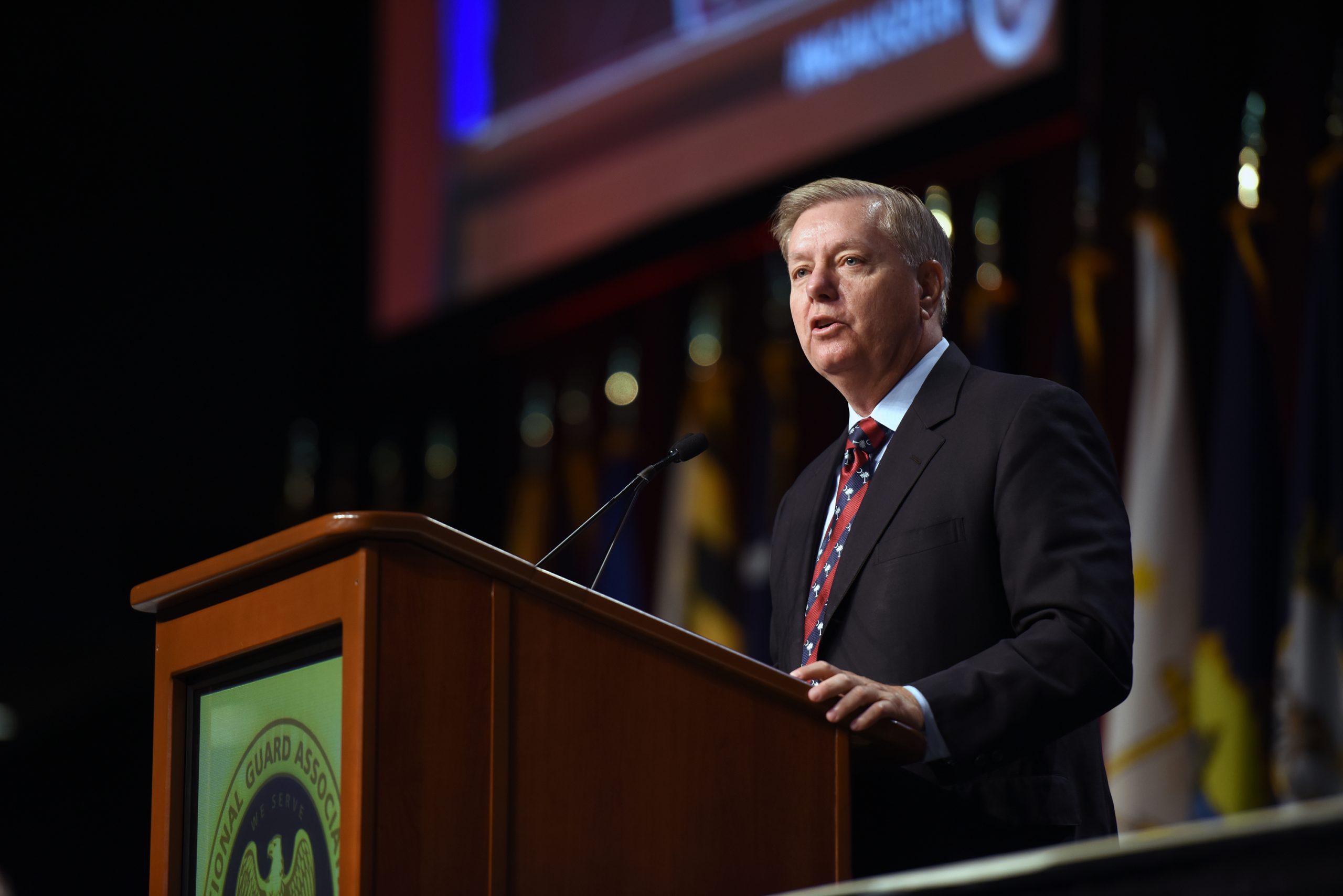
The South Carolina senator’s death is being watched beyond Washington because of his national profile and security-heavy foreign policy record. The key question now is what federal agents are being asked to determine.
The reported death of Sen. Lindsey Graham has quickly moved beyond the language of an obituary.
According to reporting from The Telegraph, the FBI has been called in after the South Carolina Republican’s death, with the agency urged to help rule out foul play. That detail has turned a moment of political shock into a security question, but it does not, on its own, prove that a crime occurred.
A death becomes a security question
Graham, 71, was one of the most recognizable Republicans in the Senate: a longtime South Carolina lawmaker, a close ally of Donald Trump in recent years and a prominent voice on national security, Israel, Ukraine and Iran.
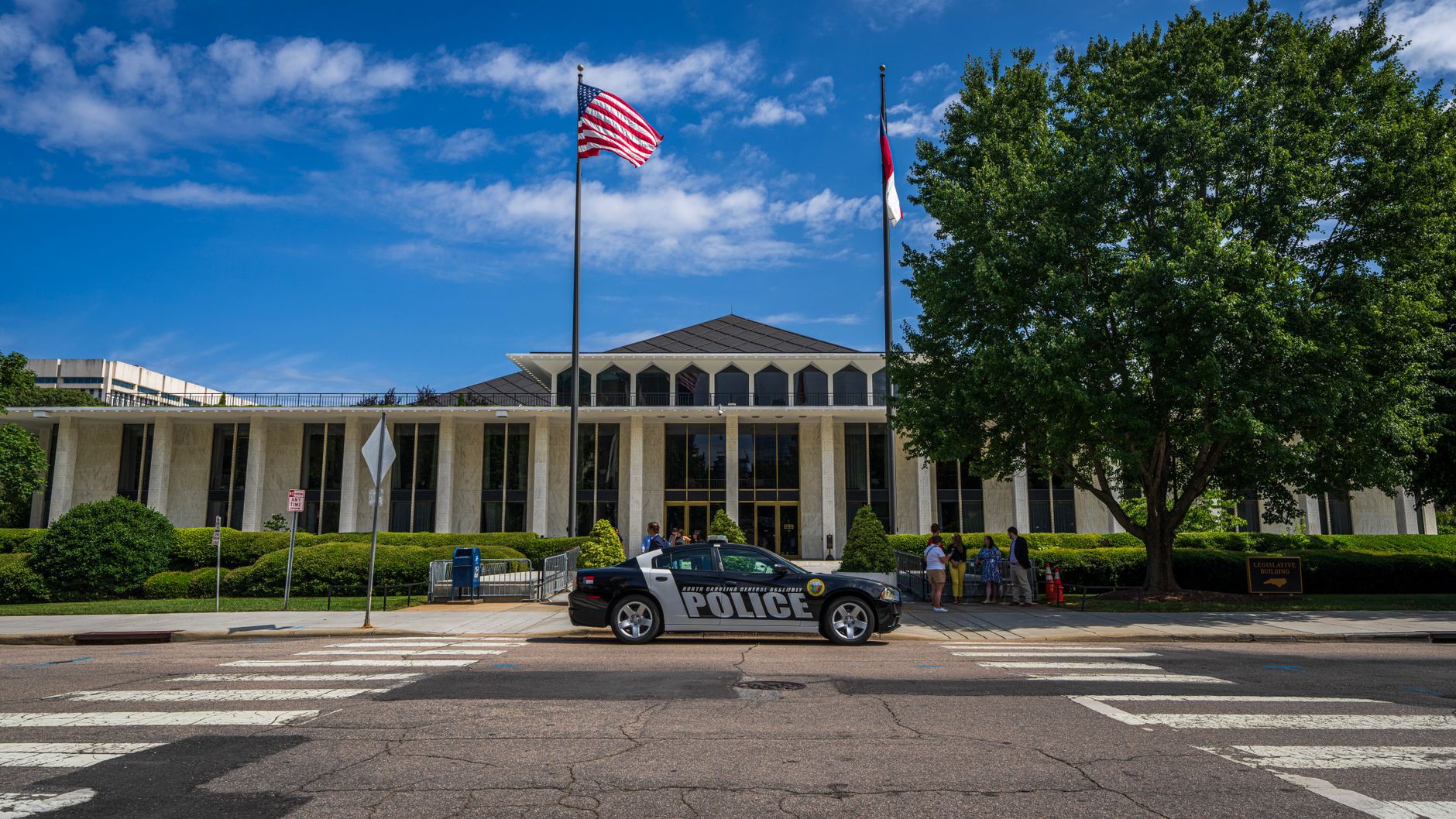
The Telegraph report framed his death as following a short illness, while also noting that the FBI had been brought into the matter. The combination is what makes the story sensitive. A death can have an apparent medical explanation and still trigger additional scrutiny when the person involved is a sitting U.S. senator with a high-risk public profile.
The phrase rule out foul play matters. It suggests investigators are being asked to test possibilities, not that authorities have already reached a conclusion. In cases involving powerful public figures, especially those who have dealt with foreign threats or controversial policy fights, that distinction is crucial.
It is also why early headlines can be misleading if readers move too quickly from FBI involvement to an assumption of criminality. Federal agents can assist local authorities for many reasons, including expertise, jurisdictional questions, threat assessment or coordination across agencies.
FBI help is not a verdict
The FBI is often associated in the public mind with criminal investigations, raids and espionage cases. But the bureau’s role can be broader and more technical than that, especially when a death touches a federal official or possible threats against one.
Federal involvement may mean agents are helping police collect information, review threats, analyze communications, coordinate with other agencies or examine whether any federal nexus exists. It may also mean authorities want an outside layer of expertise because the person who died held national office.
What has not been established in the available reporting is just as important as what has. There has been no public confirmation in the supplied material of a suspect, a criminal charge, an official finding of homicide or a declared cause and manner of death.
That leaves the public with a narrow but serious fact pattern: Graham is reported dead; the FBI is reported to be involved; and officials are reportedly seeking to rule out foul play. Anything beyond that should be treated carefully until authorities or Graham’s office provide more detail.
Graham’s profile made scrutiny inevitable
Graham spent decades in national politics and was not a low-visibility senator. He chaired the Senate Judiciary Committee during part of Trump’s first term, played a major role in judicial confirmation fights and became a regular television voice on foreign policy and law enforcement issues.
His own Senate office releases in recent years show how often his work intersected with the FBI, the Justice Department and national security debates. In 2025, his office highlighted questioning of Attorney General Pam Bondi, comments involving FBI Director Kash Patel and concerns about foreign and domestic security threats.
The same Senate materials also show Graham speaking publicly on Israel after the October 7 Hamas attack and on threats facing Americans. The Telegraph’s summary described him as a fierce critic of Iran, another reason any unexpected death would attract immediate attention from security officials and political observers.
That does not mean foreign involvement, domestic violence or a plot has been shown. It means Graham’s public record makes investigators likely to check more boxes than they would in an ordinary death investigation.
Rumors are outrunning facts
High-profile deaths create an information vacuum almost instantly. In that vacuum, social media tends to connect fragments before officials have even confirmed the basics.
One post circulating on Reddit linked the story to claims about a Ukraine trip and an alleged Iran-related murder plot. Those claims should not be treated as established facts based on social-media repetition alone. They require confirmation from authorities, Graham’s office, law enforcement records or reliable reporting with clear sourcing.
Readers should watch the wording used by officials. There is a difference between police saying the FBI is assisting, investigators saying no foul play is suspected, and authorities saying they are actively investigating a suspicious death. Those are not interchangeable.
In sensitive political stories, vague language can become fuel. The safest reading at this stage is also the most restrained: federal agents are reportedly involved because the circumstances and Graham’s position warrant caution.
Senate fallout is unavoidable
Even before investigators answer the security questions, Graham’s reported death would carry political consequences. A vacancy in a U.S. Senate seat affects committee work, votes, party strategy and the state-level process for choosing a successor.
South Carolina officials would be pulled quickly into the next steps, including how the vacancy is handled under state law and when voters might have a say. Until a successor is seated, the absence of a senator can matter in close votes, especially on nominations, spending fights and national security legislation.
Graham’s seat also carries symbolic weight inside the Republican Party. He was a bridge between older Senate institutionalism and Trump-era Republican politics, sometimes defending Trump aggressively while also maintaining long-standing relationships with defense hawks, prosecutors and foreign policy allies.
That makes the replacement question about more than one vote. It is also about what kind of Republican voice South Carolina sends next: another foreign policy hawk, a more populist figure, or someone chosen primarily to steady the seat through a turbulent moment.
The next answers to watch
The most important next development will be an official statement from law enforcement, Graham’s office or South Carolina authorities clarifying the FBI’s role. Is the bureau assisting local police? Reviewing threats? Helping with forensic work? Leading any part of the inquiry?
Other key questions remain open: whether an autopsy has been ordered, whether officials have determined a cause of death, whether any recent threats are under review and whether investigators see any evidence that changes the case from precautionary to suspicious.
For now, the story sits in a tense middle ground. It is serious enough to justify federal involvement and public attention. It is not yet detailed enough to justify the darker theories already forming around it.
The cleanest takeaway is this: the FBI’s reported presence raises the stakes, but it does not answer the central question. Until officials explain what agents are doing and why, caution is not just responsible. It is the only honest way to read the story.





Leave a Reply