
A possible diplomatic opening is emerging alongside military escalation, but the public details remain thin. The immediate question is whether talk of an off-ramp can translate into contact, restraint and safer passage through the Strait of Hormuz.
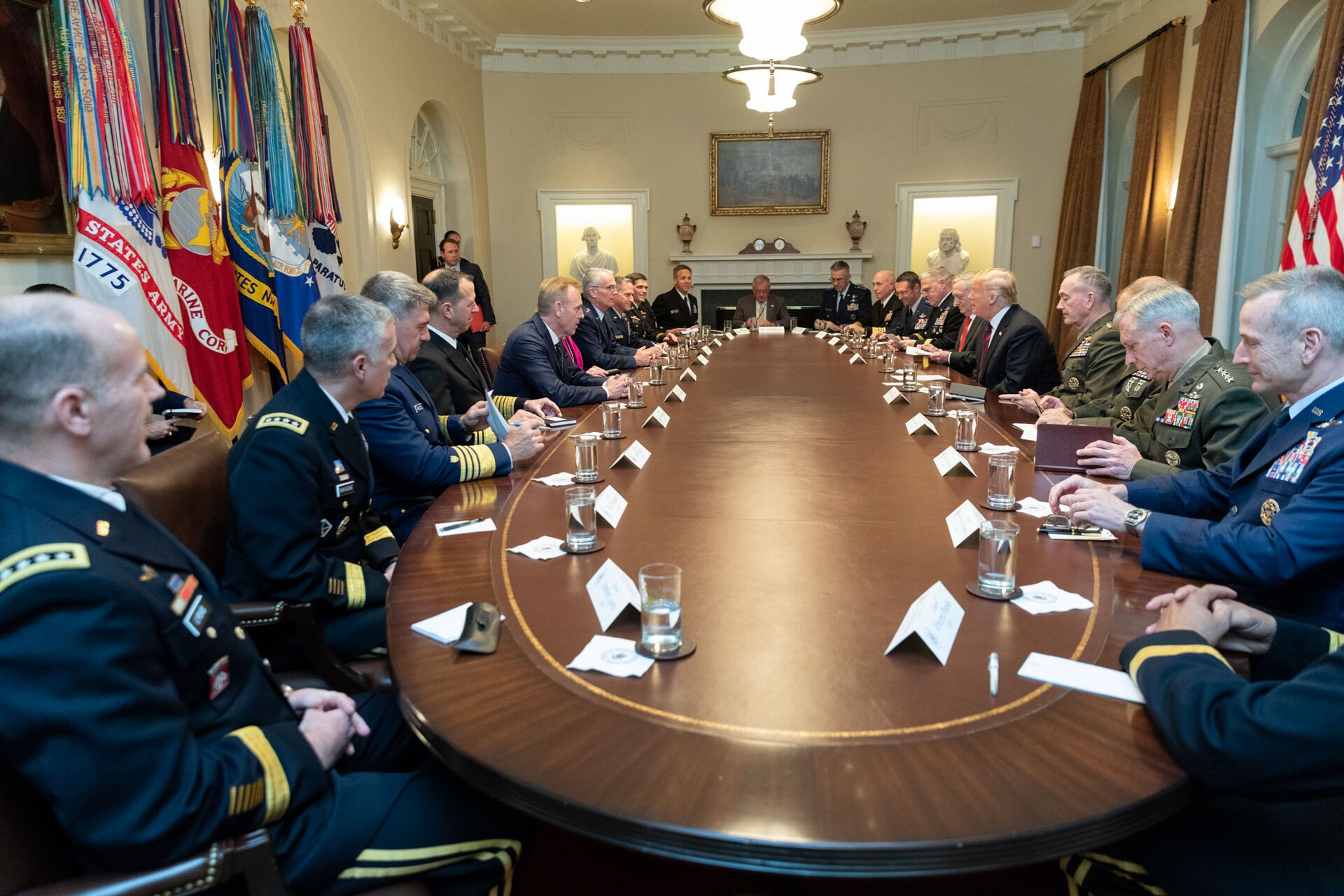
A senior Trump military official is seeking an off-ramp from the conflict with Iran, according to reporting highlighted in live updates on the Iran conflict. The reported effort puts Donald Trump’s administration under pressure to show how military action could be contained or ended, not merely extended.
The phrase “Trump military chief” suggests a search for a way out is happening close to the administration’s military decision-making. Yet public information about the proposal, the official involved and whether Iran has received any terms remains limited, leaving the reported opening difficult to measure.
What an off-ramp would mean
In a conflict, an off-ramp is a route that allows parties to reduce or stop fighting without immediately conceding every demand. It can involve direct talks, intermediaries, limited ceasefire arrangements, changes to military posture or practical agreements designed to prevent a wider regional escalation.
That does not necessarily mean a comprehensive peace deal is close. An off-ramp can be much narrower: protecting commercial shipping, reducing attacks on particular targets, creating communication channels or setting conditions for further negotiations.
The distinction matters because public statements about diplomacy can coexist with military operations. Governments may seek leverage through force while also testing whether the other side is willing to make concessions.
Trump says Iran wants talks
Donald Trump has said Iran wants to negotiate, according to BBC live reporting cited in the research brief. He said the United States was talking to Iran, while adding that he did not think Tehran was ready.
Iranian Foreign Minister Abbas Araghchi offered a sharply different account, saying Iran had not asked for a ceasefire. That gap is central to assessing the reported off-ramp: a claim that talks are possible is not the same as confirmation that both sides accept the same starting point.
Neither account, as reflected in the available reporting, establishes a publicly verified negotiating framework. There is no confirmed list of demands, timetable, venue or announced mediator attached to the reported effort by the Trump military chief.
Hormuz has raised the pressure
The Strait of Hormuz has become one of the clearest examples of why a contained conflict is difficult to maintain. The waterway is a crucial route for global energy shipments, and disruptions there can quickly affect countries well beyond the Middle East.
Trump said his administration had discussed a possible coalition with about seven countries to help escort ships through the strait, according to the BBC. He named China among countries approached and also called on allies to help defend energy routes important to their own supplies.
Japan’s Prime Minister Sanae Takaichi said Tokyo had not received a formal request, while saying the government was considering an appropriate response. She also stressed that any maritime policing mission would be extremely difficult under Japanese law.
That response illustrates the diplomatic challenge for Washington. Partners may share concerns about shipping security while remaining reluctant to take steps that could draw them further into a military confrontation.
Economic costs are already visible
The conflict’s consequences are not confined to military and diplomatic circles. BBC reporting said oil prices remained near the $100-a-barrel mark after the U.S. bombing of Kharg Island, described as Iran’s main oil-export hub.
At the time of that report, U.S.-traded crude was quoted at $98.14 a barrel and Brent at $103.17. Major nations in the International Energy Agency had pledged to release 400 million barrels from reserves, but prices were still above their prewar levels.
Commercial shipping has also faced direct danger. The BBC reported that the Thai vessel Mayuree Naree was struck by suspected Iranian missiles in the Strait of Hormuz, forcing its crew to abandon ship. Thailand said it had formally protested to Iran and sought help for three crew members believed to remain on board.
For the Trump administration, those disruptions add urgency to any search for an off-ramp. Prolonged instability can affect fuel costs, trade, airline schedules and the political calculations of countries Washington hopes to enlist.
Military aims and diplomacy can clash
There are competing views of how the United States should proceed. Supporters of maintaining military pressure may argue that Iran is more likely to make concessions if it believes the costs of continued confrontation are rising.
Critics of that approach can argue that intensified attacks make negotiations harder, strengthen incentives for retaliation and increase the chance that a localized clash becomes a broader regional war. They may see shipping escorts or expanded coalition operations as protective measures that could also create new points of confrontation.
Israel, meanwhile, said it still had thousands of targets in Iran, according to the BBC’s live coverage. That assessment underscores a basic complication for any diplomatic exit: the parties involved may not share the same definition of what de-escalation requires.
An off-ramp would need to address more than Washington and Tehran. It would also have to account for Israel’s military objectives, the security of Gulf shipping routes and the choices facing countries asked to support maritime protection.
What remains unconfirmed
The available reporting supports the broad picture of a Trump administration looking for ways to end or de-escalate the Iran conflict. It does not publicly identify the senior military official described as seeking the off-ramp, or spell out that person’s proposal.
It is also unclear whether the effort involves direct U.S.-Iran contact, third-party mediation or internal planning for conditions under which Washington could reduce its military role. Iran’s public denial that it requested a ceasefire makes it especially important not to treat a possible opening as an agreed process.
The practical test will be whether rhetoric is followed by observable steps: verified contacts, reduced attacks, safer commercial transit or a mutually acknowledged framework for talks. Until then, the reported search for an exit remains significant chiefly because it recognizes the mounting costs of a conflict with no publicly defined endpoint.







Leave a Reply