
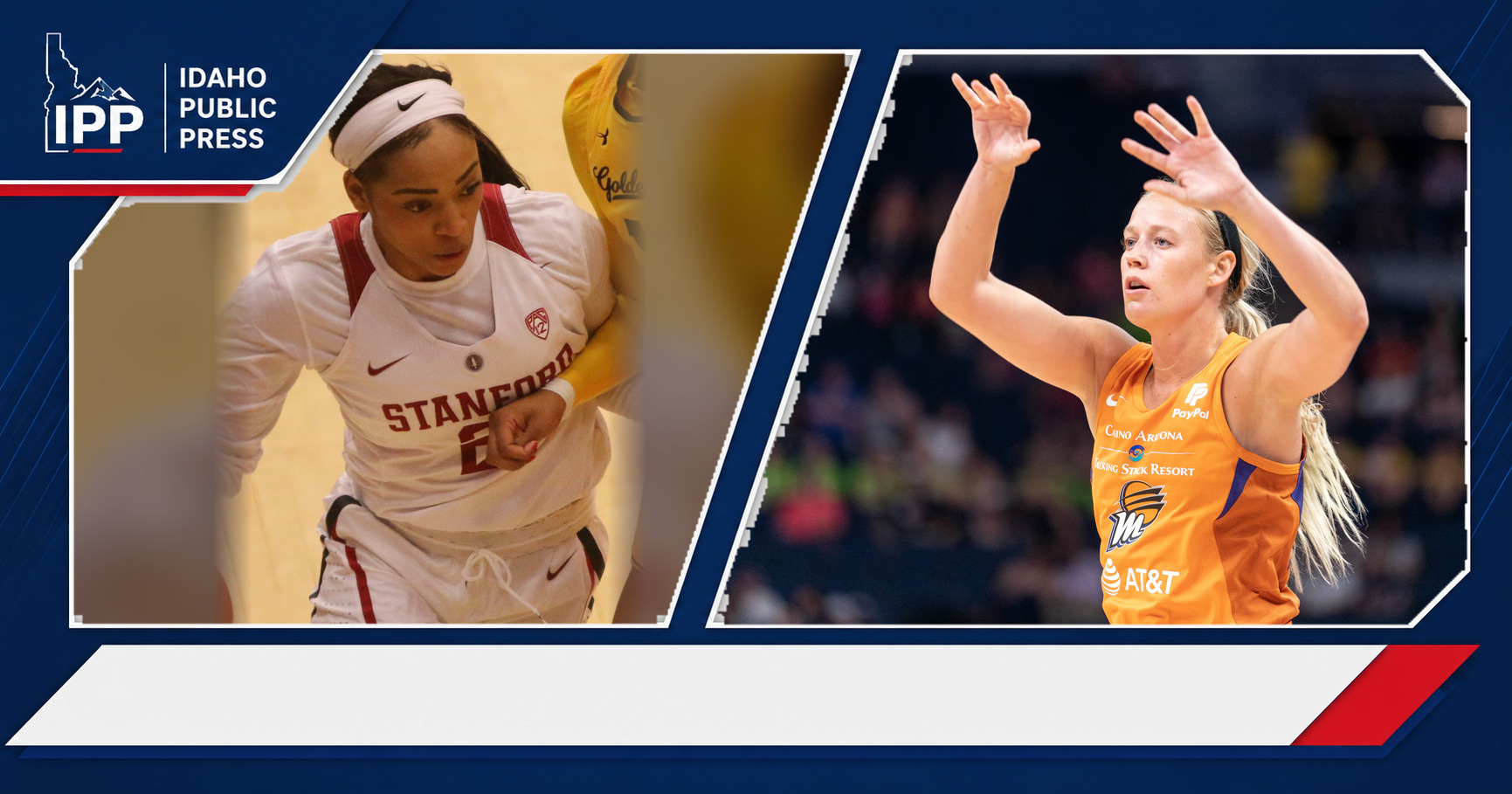
A first-quarter collision between DiJonai Carrington and Sophie Cunningham quickly became the defining flashpoint of the Sky-Fever game. The ejection put officiating, player safety and an already charged matchup under a brighter spotlight.
DiJonai Carrington was ejected after a hard foul on Sophie Cunningham on Saturday at the United Center in Chicago, where the Chicago Sky and Indiana Fever saw their WNBA game turn tense in the first quarter. Carrington struck Cunningham in the head or face during a layup attempt, and officials upgraded the call to a Flagrant 2.
The Sky player ejected incident escalated tension between the Chicago Sky and Indiana Fever almost immediately. Cunningham went down, got up quickly and moved toward Carrington before teammates intervened, making the foul—and the decision to eject Carrington—the game’s central flashpoint.
The collision changed the game’s tone
The play began after an errant Sky pass, according to reporting by The Athletic. Indiana’s Monique Billings recovered the ball and sent it ahead to Cunningham, who was running toward the basket on a fast break.
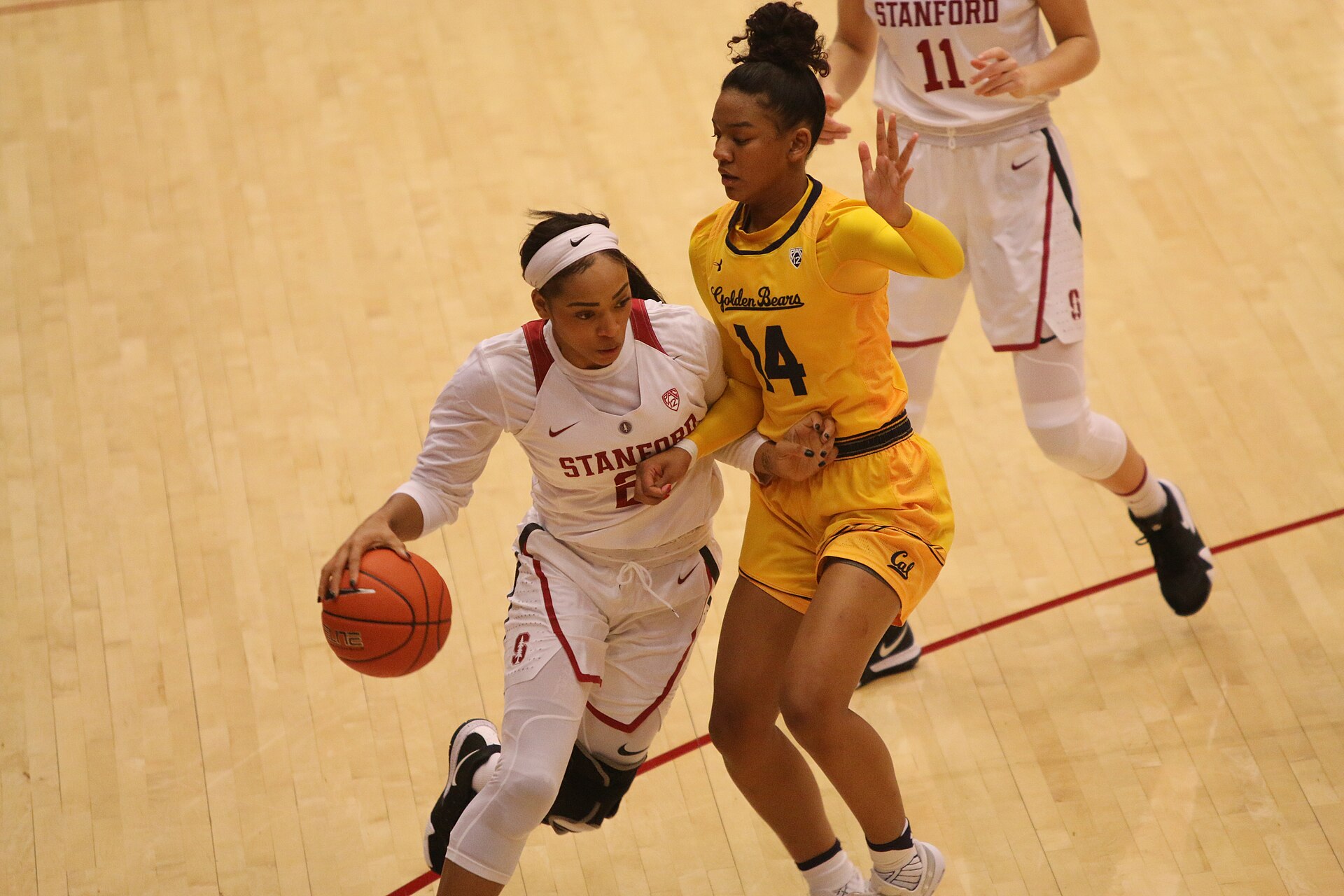
As Cunningham went up for the layup, Carrington came from behind. Carrington’s arm made contact with Cunningham’s head and jaw area, sending the Fever guard to the floor while the shot went in, according to The Athletic and The Guardian.
Physical defense is part of basketball, particularly on transition plays when defenders are trying to prevent an easy basket. But contact to the head or neck makes a foul far more consequential, both because of the injury risk and because league rules treat dangerous contact differently from an ordinary shooting foul.
Officials upgraded it to Flagrant 2
Officials initially called a common foul, then reviewed the sequence and changed it to a Flagrant 2, the reports said. That designation carries an automatic ejection in the WNBA.
The referee cited windup, impact and follow-through in explaining the upgraded ruling, according to The Guardian. Those elements mattered: the review was not simply about whether Carrington made contact, but whether the nature of that contact crossed the threshold for the league’s most serious in-game foul category.
That distinction will fuel debate. Some viewers may see a defender attempting to stop a transition basket and arriving late; others will focus on the arm-to-head contact and the force that knocked Cunningham down. The review gave officials the chance to weigh the full sequence rather than rule only on a split-second live look.
Cunningham’s response raised the temperature
Cunningham immediately rose after the play and charged toward Carrington, pushing her as a teammate held her back, according to The Guardian. The reaction underscored how the contact landed in the moment: not as a routine whistle, but as a play that angered the Fever guard.
Once opponents and teammates have to separate players, the concern is no longer limited to the original foul. Officials also have to prevent retaliation, maintain control of the game and make clear that dangerous contact will be reviewed closely.
Cunningham has become a highly visible figure around the Fever this season, including through her willingness to defend teammate Caitlin Clark after physical sequences. That profile makes any confrontation involving her more likely to draw intense attention, even when the immediate ruling is based on a specific basketball play.
A charged matchup got another layer
The Carrington-Cunningham moment was not the only sign of friction. In the third quarter, Clark received a technical foul after making contact with a referee while being forced out of bounds, The Guardian reported.
It was Clark’s eighth technical of the season, triggering a one-game suspension for Indiana’s next game under league rules, according to the report. The separate technical did not cause Carrington’s ejection, but it added to a contest in which emotion and officiating became major parts of the story.
For the Sky and Fever, that is the difficult balance after a game like this. Hard-nosed defense and competitive edge are expected. The challenge is keeping that edge from becoming the dominant event, overshadowing execution, matchups and the result on the court.
Carrington’s post widened the conversation
Minutes after the ejection, a post from Carrington’s social-media account said “WHITE PRIVILEGE” and tagged the Fever, The Guardian reported. The post introduced a much broader and more sensitive argument into a play that had already produced strong reactions.
Cunningham is white and Carrington is Black, as The Guardian noted. Reporting those facts does not settle what either player intended during the foul, and the available reports do not establish Carrington’s motive for the contact. The officials’ decision, however, was based on their review of the physical play and the Flagrant 2 standard.
The social-media response also means the incident is likely to be discussed well beyond the usual questions about whether a foul deserved an ejection. Conversations about race, player treatment and how star-driven games are covered can quickly eclipse the limited facts confirmed by the on-court review.
What remains clear after the ejection
The clearest facts are straightforward: Cunningham was hit in the head or face while attempting a layup, Carrington was assessed a Flagrant 2 and ejected, and the Chicago Sky-Indiana Fever game became more volatile after the play.
What remains less clear is whether the WNBA will take any additional action or whether either team or player will offer further public explanation. An ejection resolves the immediate officiating decision, but it does not end the debate around intent, consistency or the emotional aftermath.
For now, the incident stands as a reminder of why reviews matter in a league where physical play is scrutinized more closely than ever. A single transition foul can change a rotation, inflame a rivalry and become the moment everyone remembers from a game.








Leave a Reply