
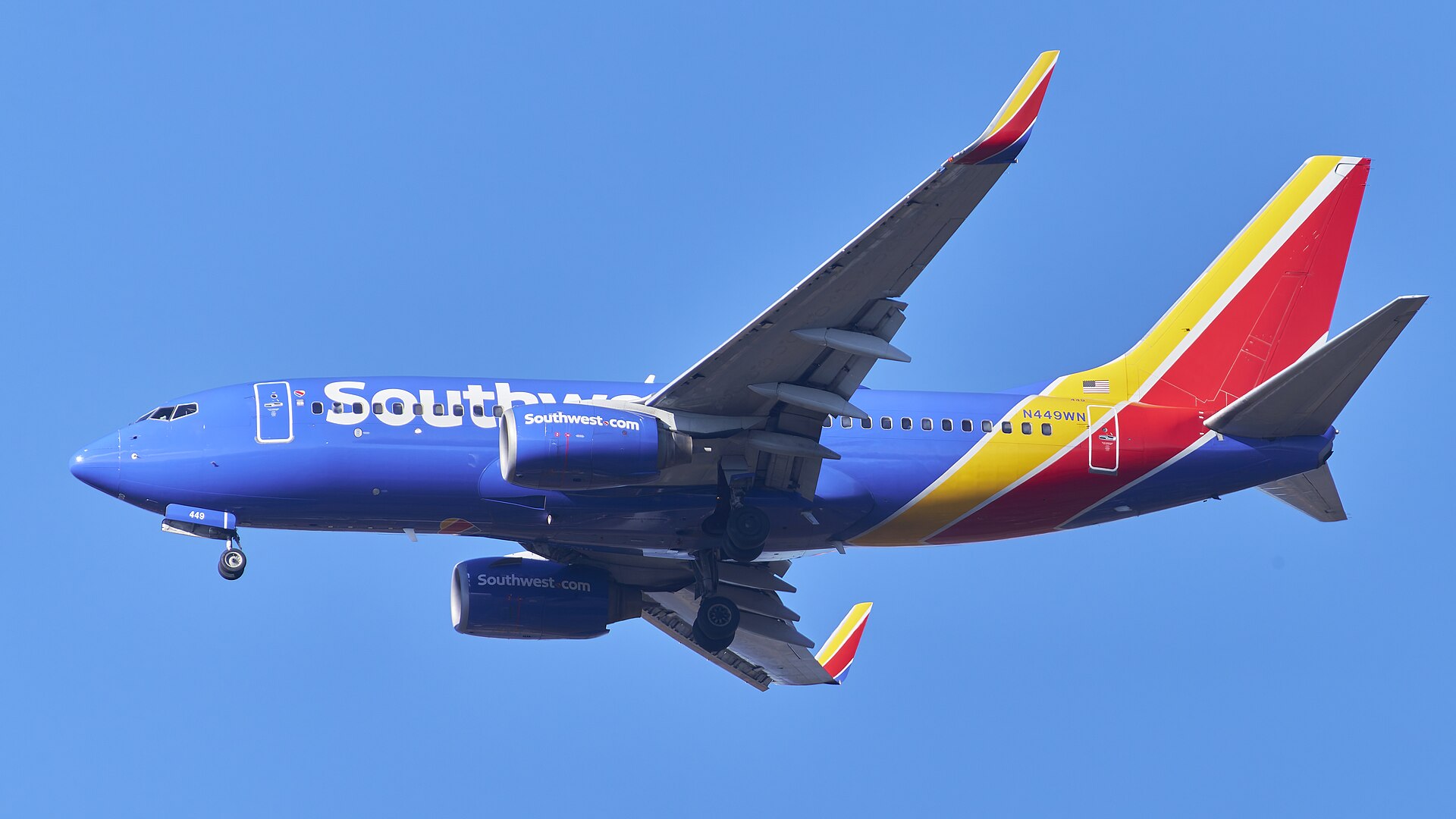
The claim has drawn attention because it suggests an airline worker intervened in an immigration arrest. Yet the available record leaves major questions unanswered about who was involved, where it happened and what Southwest or ICE said.
A headline attributed to TheTravel claimed that a Southwest Airlines employee blocked an ICE agent from arresting a passenger during an attempted immigration arrest, portraying the episode as Southwest Airlines standing up to U.S. Immigration and Customs Enforcement. But the publicly available material supplied with that claim does not establish the underlying facts, identify the passenger or say where and when the alleged confrontation occurred.
That distinction matters. An airport arrest involving ICE, a passenger and airline personnel would raise immediate questions about legal authority, airline policy and traveler safety. So far, however, the available reporting supports the existence of a claim—not a verified account of the incident described in the headline.
The central claim is thinly sourced
The available source record contains the headline, “Southwest Airlines is the first to stand up to ICE: Employee blocks agent from arresting passenger,” but no article text detailing the alleged encounter. There is no named Southwest employee, no identified ICE agent and no passenger name in the material provided.
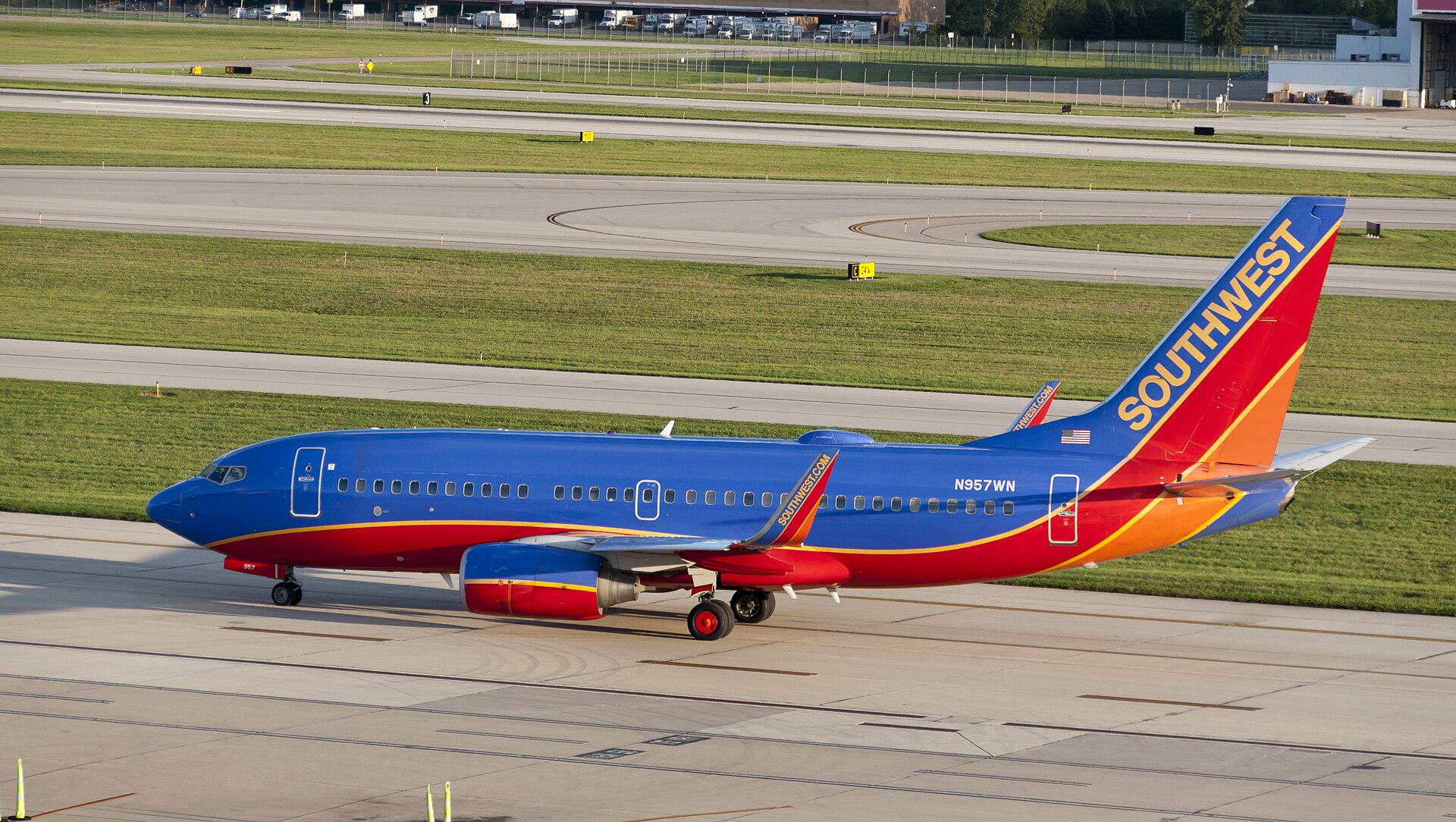
There is also no airport, flight number, date, video, incident report or on-the-record statement from Southwest Airlines or ICE. Those are basic details needed to independently evaluate a claim involving an attempted detention in a tightly regulated airport setting.
A secondary search result points to broader reporting by CNN about immigration arrests at U.S. airports. That establishes important context: ICE activity at airports has become a significant public concern. It does not, on its own, confirm that a Southwest employee blocked an agent from arresting a particular passenger.
Without additional documentation, it is not possible to say whether an employee intervened, whether the person was actually an ICE agent, whether an arrest was being attempted or whether Southwest adopted any formal position against ICE enforcement.
No passenger has been identified
The headline promises a dramatic personal encounter, yet the available record does not identify the passenger at the center of it. It provides no immigration status, travel itinerary, legal representation, arrest outcome or account from the person allegedly targeted.
That missing information is not a minor omission. Immigration cases are often legally complex, and the reason an agency seeks to detain someone can affect how the public understands an encounter. A person may be subject to a removal order, involved in a pending case, have a work permit while lacking permanent status, or have some other immigration history not apparent to observers.
It would be irresponsible to fill those gaps with assumptions. The material available does not establish whether the passenger was arrested, released, removed from a flight, allowed to continue traveling or never detained at all.
The source record also does not say whether the alleged interaction occurred at a gate, at a ticket counter, in a public terminal area or onboard an aircraft. Each setting could involve different airport-security procedures and different responsibilities for airline staff.
ICE authority has legal limits
ICE is the Department of Homeland Security agency primarily responsible for immigration enforcement inside the United States. A Congressional Research Service overview says ICE’s arrest-and-detention authority is rooted chiefly in federal immigration statutes, including 8 U.S.C. sections 1226 and 1357.
In many immigration cases, ICE officers use administrative warrants issued within the immigration system. Those warrants differ from judicial warrants in criminal cases: they are not issued by a neutral judge or magistrate. Under federal law, ICE officers may also make certain warrantless arrests when statutory conditions are met.
That legal framework does not resolve the claimed Southwest episode. It does explain why the words “warrant,” “arrest” and “agent” matter. Whether an enforcement action was lawful can depend on the nature of the warrant, the location, the person’s circumstances and the specific authority invoked by the officer.
Airline employees are not immigration judges or law-enforcement officers. They may have operational duties involving safety, boarding, access to secure areas and customer service, while airport police, federal agents and local authorities may have separate roles. The available record does not reveal what role the purported Southwest employee played or what action “blocked” actually describes.
Airports have become a flashpoint
The broader concern behind the headline is real. Airports are emotional, public places where an enforcement action can quickly become visible to families, fellow travelers and social-media audiences. A detention may also disrupt boarding, connections and a person’s ability to contact legal counsel or relatives.
Recent reporting on airport immigration arrests has heightened scrutiny of when ICE officers appear in travel settings and how airlines respond. Travelers can reasonably want clear information about their rights, an airline’s procedures and the distinction between routine airport security activity and federal immigration enforcement.
At the same time, a public dispute does not automatically prove that an airline has adopted a policy of resisting ICE. “Southwest Airlines stood up to ICE” is a sweeping conclusion that would require evidence of a corporate directive, a spokesperson’s statement or a documented operational decision.
No such evidence appears in the supplied material. A single employee’s alleged conduct, even if confirmed, would not necessarily represent the company’s policy.
What Southwest and ICE need to clarify
Southwest Airlines and ICE are the two institutions best positioned to clarify whether the reported incident happened. Useful answers would include the airport and date, whether an enforcement operation occurred, whether the agency had an administrative or judicial warrant, and whether airline personnel were instructed to take any action.
They could also address the outcome for the passenger while respecting privacy and legal limits. If neither agency can confirm the basic event, that would be important information for readers evaluating the original claim.
For now, the strongest conclusion is narrow: a headline alleges that a Southwest Airlines employee blocked an ICE agent from arresting a passenger, but the available source material does not substantiate the details or establish that Southwest Airlines formally took a stand against ICE.
Claims involving immigration enforcement deserve especially careful treatment because they can shape public perceptions of individual travelers, government agents and private companies. Verification is not a technicality here; it is the difference between reporting an incident and amplifying an accusation.









Leave a Reply