
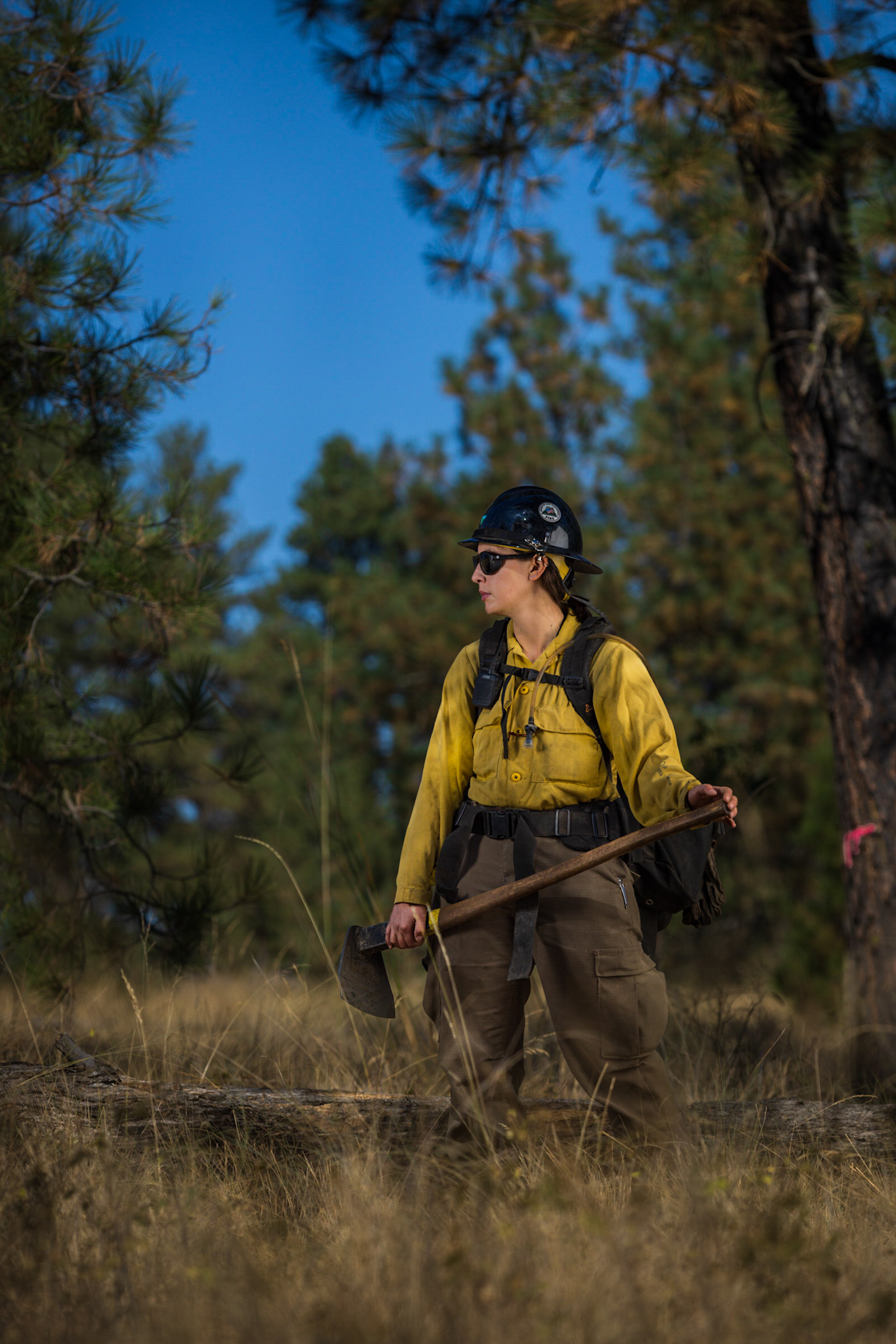
The immediate test for Spokane-area firefighters is not only building containment lines, but holding them through another period of volatile weather. Regional fire coordination is also operating at its highest listed preparedness level.
Dangerous fire weather continues in the Northwest as fire crews work to contain the Spokane blazes in Washington state. CNN reported that crews battling destructive fires in the Spokane area were preparing for another round of winds that can fuel flames, making weather a central factor in whether containment progress holds.
The Spokane fires are a local emergency inside a wider Northwest fire picture. The Northwest Interagency Coordination Center, which coordinates wildland-fire resources across Washington and Oregon, lists the region at preparedness level 5 and continues to post daily fire, weather and resource updates.
Containment can change with weather
Containment does not mean a fire is extinguished. It generally means firefighters have established a perimeter or control line they expect to hold, assuming conditions do not sharply worsen.
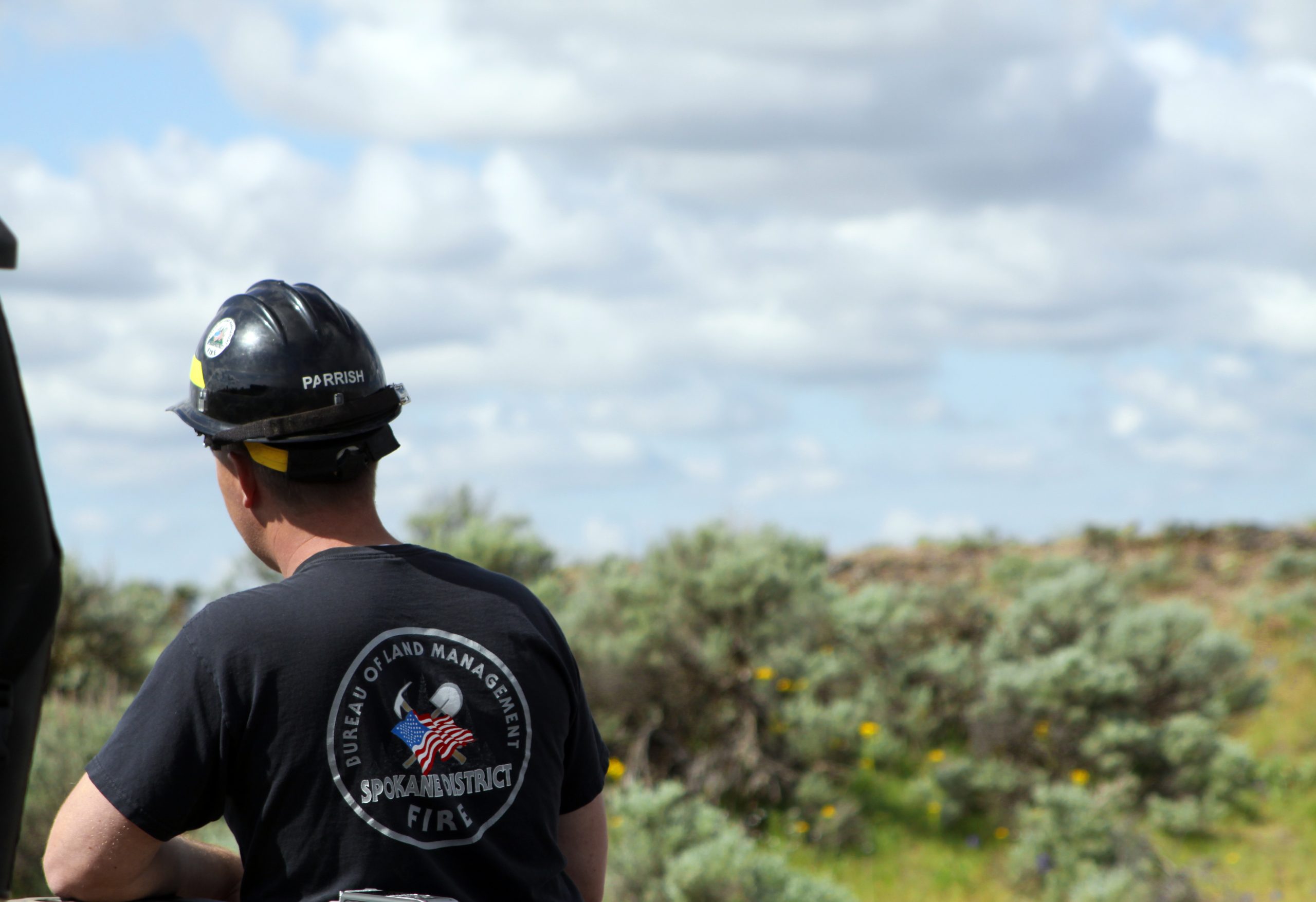
That assumption matters in the Spokane area. CNN’s report said crews were bracing for flame-fueling winds, a reminder that a fire line can face a very different test when wind increases, humidity falls or embers begin traveling beyond established containment.
For crews, the job is therefore twofold: continue suppressing active fire while protecting the lines, roads, structures and communities around it. A contained edge can still require close attention if weather creates new opportunities for fire to spread.
Why wind raises the stakes
Wind is one of the most consequential variables in wildfire behavior. It can push flames faster across receptive vegetation, bend flames closer to unburned fuel and carry burning material ahead of the main fire.
Those airborne embers are a particular concern because they can create spot fires outside the primary perimeter. Firefighters may be managing a known edge while also watching for new ignitions in difficult-to-reach terrain or near homes and infrastructure.
Dry, warm conditions can add to the problem by making grasses, brush, needles and other available fuel easier to ignite. The combination of dry fuels and strong wind is why a forecast can affect tactical decisions as much as the acreage already burned.
That does not mean every windy period will cause a major expansion. Fire behavior depends on terrain, fuel conditions, suppression work and the exact timing of weather changes. But it explains why crews and emergency managers treat a difficult forecast as an active operational risk rather than a background detail.
Spokane is part of a regional strain
The Northwest Interagency Coordination Center serves as a coordination hub for state and federal wildland-fire agencies in Washington and Oregon. Its role includes logistics, aviation support, predictive services and the movement of resources among incidents.
On its public site, the center lists both the Northwest and the nation at preparedness level 5. The site also directs the public to a daily large-fire summary, a regional fire map, morning briefings and a seven-day significant-fire-potential outlook.
Preparedness levels should not be read as a measure of danger at one specific neighborhood or as a forecast that a particular fire will grow. They are a broader indication of the fire-management posture and demand for coordinated attention across a region.
Still, the listing gives important context to the Spokane response: local crews are working during a period when agencies across the Northwest are monitoring active fires, weather alerts and resource needs at the same time.
What officials are watching now
The most useful updates for residents near an active fire are typically the incident’s current perimeter status, evacuation information, road closures, air-quality advisories and local weather warnings. Those details can change quickly and may differ across communities around the same fire.
The National Weather Service office in Spokane maintains a fire dashboard and says it uploads briefings daily during the full fire season. Its products are designed to track local hazards and fire-weather conditions, which can be more useful for near-term decisions than broad regional summaries.
Fire agencies also use specialized forecasts to assess wind direction, gust potential, temperature, humidity and overnight recovery. A forecast is not simply about whether rain is expected; the timing of a wind shift or a drop in humidity can affect where crews concentrate resources.
For the public, the practical message is to rely on official local alerts rather than treating a containment percentage as an all-clear. A fire can be partly contained while evacuation zones, smoke impacts or restrictions remain in place.
Progress and uncertainty can coexist
There are two truths in the Spokane-area response: firefighters can make real progress building and securing lines, and dangerous fire weather can still threaten that progress. Neither fact cancels the other.
That tension is common in wildfire coverage. A single containment figure may sound reassuring, while crews are focused on the conditions most likely to test the perimeter next. Conversely, a severe forecast does not automatically mean containment will fail; it means the margin for error may narrow.
What remains unclear from the available reporting is how the next period of fire weather will affect each Spokane-area blaze individually, including whether winds produce new spot fires or force changes in evacuation or suppression plans. Those answers depend on conditions on the ground and updates from incident managers.
The clearer takeaway is that the Northwest’s fire season is being shaped by both individual incidents and a regional weather pattern. In Spokane, crews’ work to contain the blazes is continuing under conditions that can rapidly alter the fire environment.
Where to find verified updates
- Local incident command and county emergency management: evacuation notices, road closures and incident-specific status.
- National Weather Service Spokane: local watches, warnings, forecasts and fire-weather briefings.
- Northwest Interagency Coordination Center: regional fire summaries, maps and coordination information for Washington and Oregon.
- InciWeb and state fire agencies: incident pages and official announcements when they are available for a specific fire.
Conditions around active fires can change faster than news cycles. The most reliable measure of immediate risk remains the latest instruction from local emergency officials.








Leave a Reply