

The new attention on Trump’s approval rating is less about a sudden surge than a shift after months of rough numbers. The question is whether the bounce can survive voters’ concerns about prices, foreign policy and the direction of the country.
A summer polling bump is giving Donald Trump a better headline than he has had in months.
Newsweek reported that Trump’s approval rating has reached its highest level since spring, a notable turn after a stretch of surveys showing broad voter frustration. But the more revealing story is not simply that the number moved up. It is how little room Trump may have to grow, and how quickly the same issues that dragged him down could pull the number back.
The rebound is real but narrow
Approval ratings are blunt instruments. They do not predict elections by themselves, and one poll rarely tells the whole story. Still, they matter because they shape how lawmakers, donors, activists and voters read the political weather.
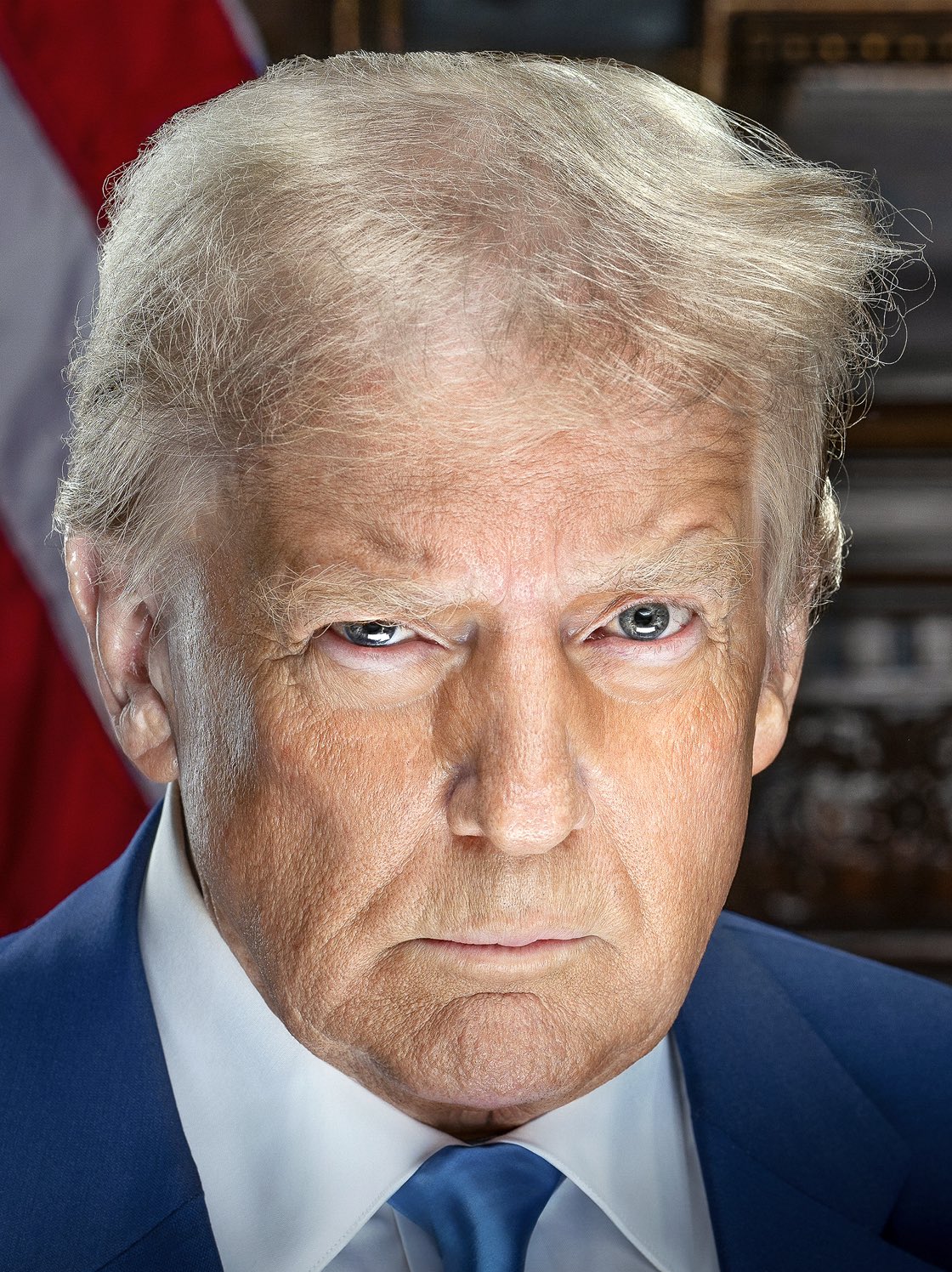
For Trump, the phrase highest since spring is doing a lot of work. It signals improvement from a weak period, not necessarily a dominant position. A president can climb from a bad patch and still remain under water with much of the country.
YouGov’s second-term job approval tracker asks registered voters whether they approve or disapprove of the way Trump is handling his job as president. That kind of tracker is useful because it can show movement over time, especially across groups such as age, gender, education, race and party identification.
The danger for any White House is mistaking a rebound for a reset. A few better points can change the mood inside a party. It does not automatically erase voters’ doubts.
Spring gave him a low bar
The new polling attention lands after a spring in which Trump’s numbers were weighed down by unusually high disapproval in at least one major survey.
In May, The Guardian reported on a Washington Post-ABC News-Ipsos poll that put Trump’s overall approval at 37 percent and disapproval at 62 percent. That survey also found majority disapproval of his handling of every issue measured.
The sharpest findings were on kitchen-table and foreign-policy concerns. The poll found 76 percent disapproved of Trump’s handling of the cost of living, while 23 percent approved. On the war against Iran, respondents disapproved by 66 percent to 32 percent, according to the same report.
That context matters because a summer rise can look more dramatic when it follows a rough spring. If voters were reacting to economic pain, gas prices, international conflict or a general sense that the country was moving in the wrong direction, even modest easing in those pressures could lift the topline.
His ceiling has long been low
Trump’s approval pattern has always looked different from presidents who enjoyed broad honeymoon periods or national-unity surges.
The Roper Center for Public Opinion Research lists Trump’s first-term approval high at 49 percent in a McLaughlin & Associates poll from March 2019. It lists his low at 29 percent in a Pew survey from January 2021.
That narrow band is politically important. Some presidents have had much higher peaks before sliding later. Roper lists Barack Obama’s high at 76 percent in a CNN poll in February 2009 and George W. Bush’s high at 92 percent in an ABC News poll in October 2001. Trump’s support, by contrast, has often been intense but less expansive.
That does not mean he cannot win elections or dominate his party. It means his path is usually built on turnout, polarization and the weakness of opponents rather than broad personal approval across the electorate.
Republicans may read it differently
Inside the Republican Party, a better approval number can still have real force. It reassures allies that Trump remains politically durable and makes it harder for congressional Republicans to distance themselves from him.
The May poll cited by The Guardian found Trump still strong among Republican voters, with approval at 85 percent. But it also reported a decline in the share of Republicans who strongly approved, from 53 percent to 45 percent.
That distinction matters. A president can retain party loyalty while losing some intensity. For midterm campaigns, intensity can be the difference between voters who tell a pollster they approve and voters who donate, volunteer or show up in a low-turnout race.
If the new approval high reflects Republicans coming back home, it helps Trump. If it reflects movement among independents or less committed voters, it helps him more. Without knowing which groups are driving the increase, the political meaning stays incomplete.
The issue numbers are the threat
Presidential approval often moves with the issues voters feel most directly. For Trump, the biggest vulnerability remains the cost of living.
Voters may forgive ideological fights faster than grocery bills, rent spikes or gas prices. That is why the May finding on cost-of-living disapproval was so damaging. A president’s overall approval can rise, but if voters still believe he is failing on prices, the rebound is fragile.
Foreign policy can also change the equation quickly. The Washington Post-ABC News-Ipsos poll cited in May showed heavy disapproval of Trump’s handling of the Iran war. If conflict headlines fade, approval can recover. If they intensify, the same issue can become a drag again.
The key question is whether voters are changing their view of Trump’s performance or simply reacting to a quieter stretch of news. Those are very different political conditions.
What to watch next
The next few polls will matter more than the latest headline. A single high mark can be noise. A sustained climb across multiple pollsters is a trend.
The most important signals will be:
- Independent voters: Are they moving toward Trump, or is the gain mostly partisan consolidation?
- Strong approval: Is enthusiasm rising, or are supporters only mildly satisfied?
- Economic ratings: Are voters softening on prices and personal finances?
- Disapproval: Is it falling meaningfully, or is approval rising while opposition remains hardened?
For now, Trump has a better polling story than he did in spring. That matters. Presidents would rather be climbing than sinking, especially with congressional races shaped by perceptions of momentum.
But the catch is clear. A higher approval rating after a weak stretch is not the same as a commanding mandate. Trump’s rebound gives Republicans something to work with. Whether it becomes a durable advantage depends on voters who are still angry about prices, uneasy about conflict and not yet convinced the country is on the right track.








Leave a Reply