
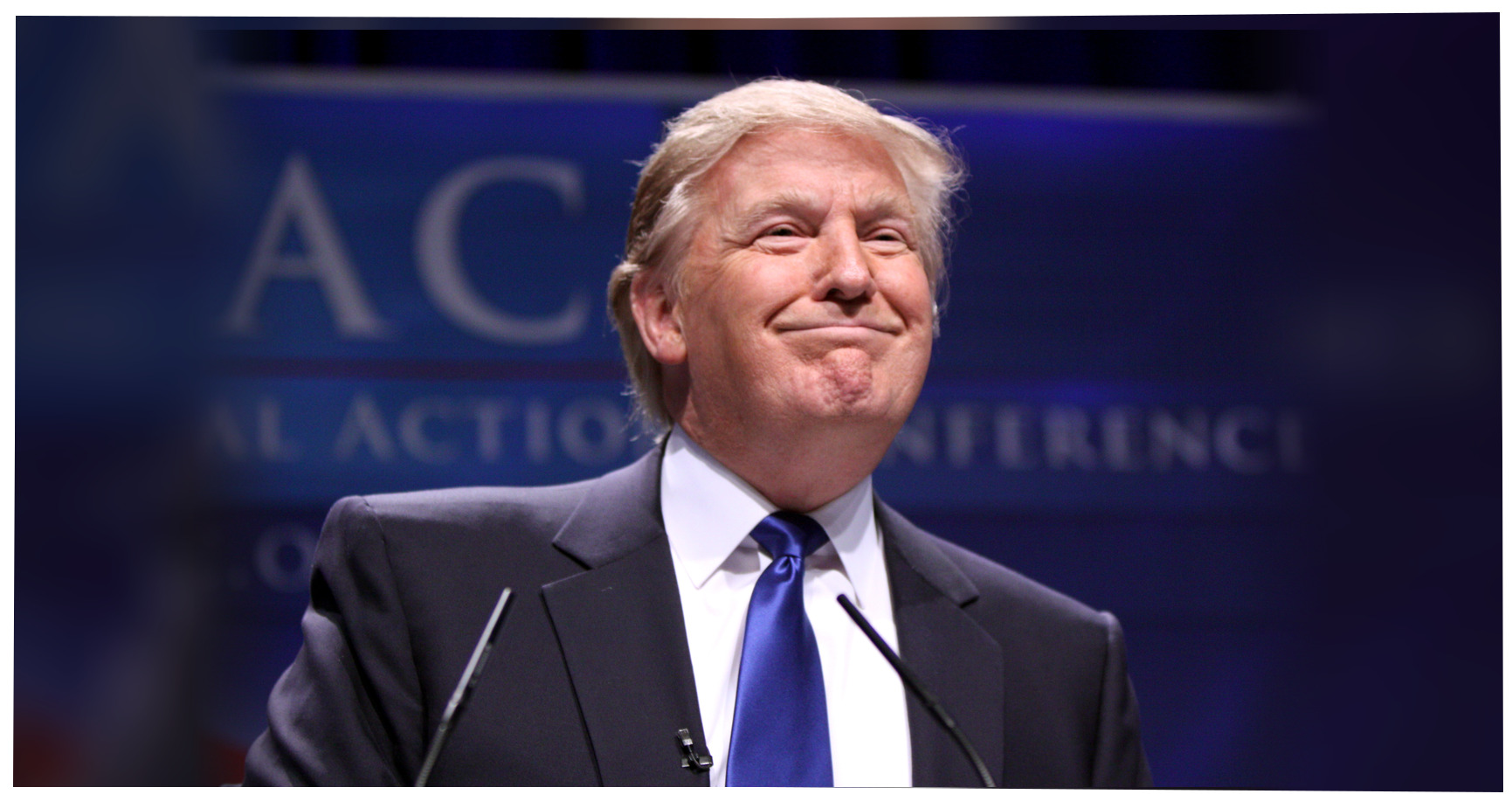
A dramatic claim about MAGA defectors seeking revenge on Donald Trump points to a broader, more documented reality: disagreements inside his coalition are no longer staying private. The key question is whether those disputes become a lasting political problem or remain another temporary test of loyalty.
Donald Trump is facing backlash from some of his MAGA supporters, as disagreements over the Epstein files and tariffs expose fractures inside his political coalition. MAGA defectors and other former allies are divided from Trump’s movement over how he has handled those issues, rather than acting as a single bloc plotting revenge.
The conflict matters because Trump’s influence has depended on holding together voters with different priorities. Reporting describes disputes over transparency surrounding the Epstein files, trade policy and tariffs, immigration, and the future of the Republican Party. There is no clear evidence of a coordinated anti-Trump campaign, but public defections and criticism could weaken his political standing, complicate policy fights and intensify the contest to shape a post-Trump GOP.
The revenge claim needs context
The available source material identifies a headline describing MAGA defectors who are “huddling to plot their revenge,” but it does not name the alleged organizers, describe a meeting or document a specific plan against Trump. That distinction is important in a political environment where sharp online language can turn disagreement into a story of total rupture.

There is a meaningful difference between former allies voicing frustration, influencers trying to build independent brands and an organized effort to weaken a president politically. The material provided supports the first two possibilities far more clearly than the third.
Still, Trump’s political success has long depended on a simple calculation inside his coalition: supporters with very different priorities could set aside their disputes because they agreed on him. When prominent figures decide they have more to gain by publicly challenging him, even limited dissent becomes more consequential.
Disputes are moving into public view
A CNN analysis published in November 2025 described a set of issues that had begun exposing divisions among Trump supporters. Its central point was not that MAGA had suddenly become anti-Trump. It was that disagreements once managed behind a shared loyalty to Trump were increasingly being aired in public.
The Epstein files became one visible source of tension. CNN reported that Trump’s eventual openness to signing legislation to release Justice Department files came after pressure from parts of his own base, where many supporters had long demanded fuller disclosure.
That dispute matters because it cuts against the normal expectation that Republican voters will reflexively support Trump on every high-profile issue. CNN cited a late-September NPR-PBS News-Marist College poll in which 45% of Republicans approved of the administration’s handling of the matter, while roughly one-quarter disapproved and others withheld judgment.
A 45% approval figure is not evidence that most Republicans turned against Trump. But it is a warning sign for a politician used to unusually durable backing within his party. The harder test is whether frustration on one issue spreads into a broader judgment about trust, competence or loyalty.
Economic tensions carry real stakes
Tariffs and affordability create a different kind of vulnerability. Many MAGA voters have accepted Trump’s argument that tariffs can strengthen U.S. industry, even when that approach clashes with the Republican Party’s traditional preference for free trade.
But patience is not unlimited when prices remain a daily concern. CNN cited a Washington Post-ABC News poll showing that 25% of Republicans disapproved of Trump’s handling of tariffs and 47% believed tariffs would make inflation worse.
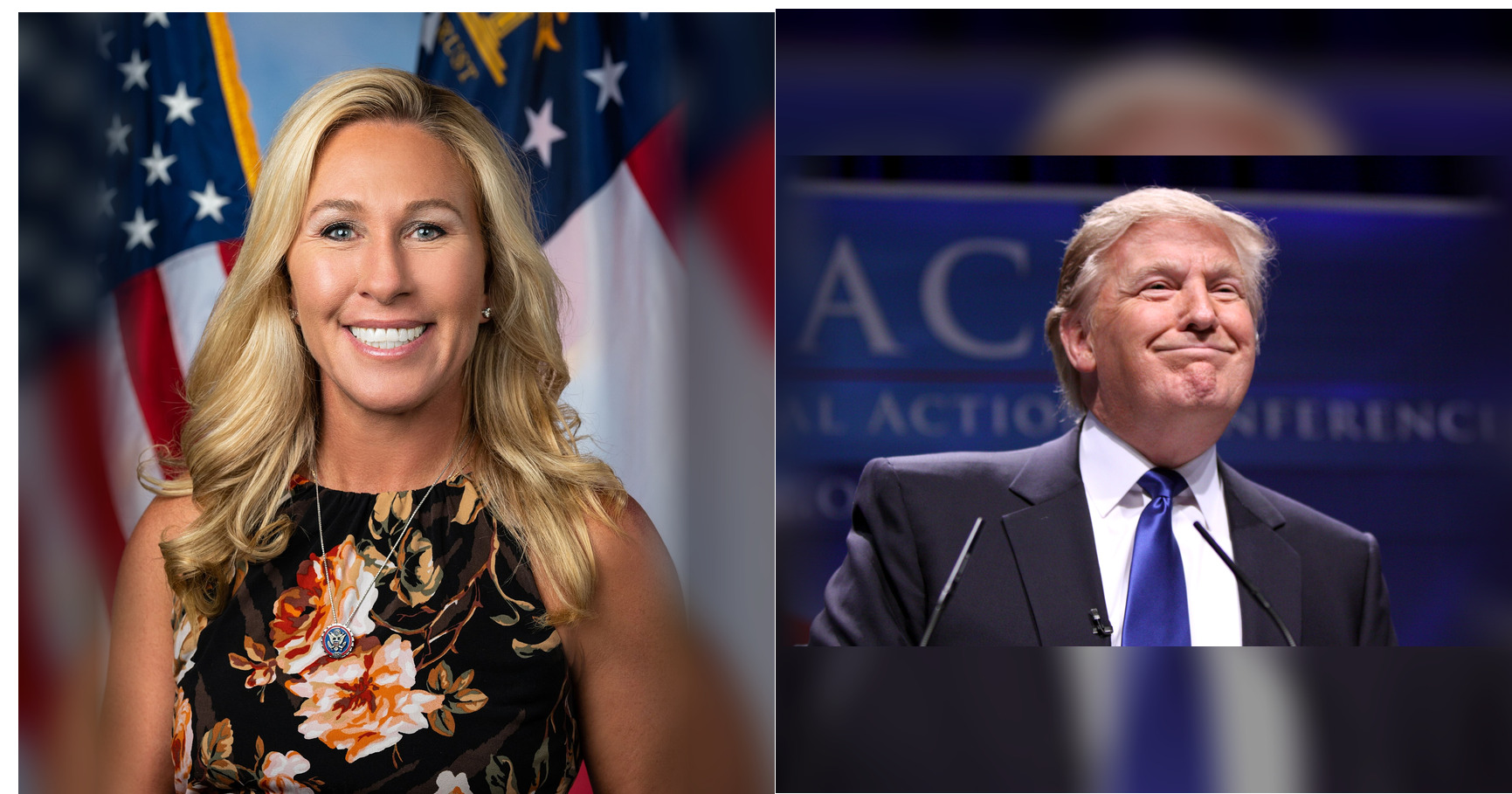
The same report noted that Rep. Marjorie Taylor Greene of Georgia had criticized Trump over tariffs and prices. Her break is notable not because she represents every Trump supporter, but because she has been one of the movement’s most recognizable and combative voices.
Trump also drew pushback after telling Fox News host Laura Ingraham that the United States did not have enough people with certain skills and needed imported workers. The exchange revived a long-running MAGA conflict over H-1B visas, with some supporters favoring tighter restrictions and others arguing that employers need specialized foreign talent.
The movement is fighting over identity
Some of the most difficult disagreements are not about legislation or household budgets. They are about what MAGA is willing to tolerate in its own ranks and who gets to define the movement’s boundaries.
CNN described arguments among conservatives over whether leaders should confront racist and antisemitic rhetoric from people on the right. Some influential figures have favored a “no enemies on the right” approach, arguing that internal policing only helps political opponents.
Others have argued that refusing to draw lines carries a cost of its own. Sen. Ted Cruz of Texas, for example, was cited as warning that antisemitism had become too serious within parts of the conservative movement to ignore.
The dispute intensified after the Heritage Foundation initially stood by Tucker Carlson following his interview with Nick Fuentes, a white nationalist and Holocaust denier. The episode prompted criticism from prominent conservatives and departures from the organization, underscoring that the fight is not simply between Trump and his critics. It is also a struggle over the movement’s identity.
Trump remains MAGA’s central figure
Internal disagreement should not be mistaken for an immediate collapse of Trump’s support. His coalition has repeatedly survived disputes that appeared, at the time, capable of dividing it. Many voters who dislike particular decisions may still see him as their strongest vehicle for opposing Democrats, reshaping government or advancing conservative priorities.
Trump also benefits from the fact that many critics within MAGA are not ideological opponents. They often want a more aggressive version of the movement’s agenda, more transparency or a different tactical approach. Their criticism can therefore coexist with continued support for Trump in a general election.
That is why the current conflict is better understood as a contest over leverage than a settled break. Influencers, elected officials and activist groups may use public dissent to push Trump on a specific issue, elevate their own standing or claim a role in defining what comes next.
The post-Trump question is growing
The larger issue is succession. As CNN noted, Trump’s inability to run for another term means Republicans are increasingly confronting the question of what a post-Trump GOP will look like. The coalition’s unresolved arguments are becoming a preview of that fight.
Potential successors will have to decide whether to emphasize Trump-style personal loyalty, economic populism, foreign-policy restraint, social conservatism or a harder line on immigration and cultural issues. Those priorities do not always fit neatly together.
For Trump, the practical challenge is not eliminating every disagreement. It is preventing separate grievances from joining into a story that he is no longer listening to the voters and voices that built MAGA’s strength.
The claim of coordinated political revenge remains unclear on the available evidence. The documented story is more complicated: a movement still anchored by Trump, but increasingly willing to argue in public over what his coalition stands for and who will control it when loyalty alone is no longer enough.





Leave a Reply