
The fight is about more than voter lists. It tests how far Washington can go in pressuring states to hand over sensitive election data before the 2026 midterms.
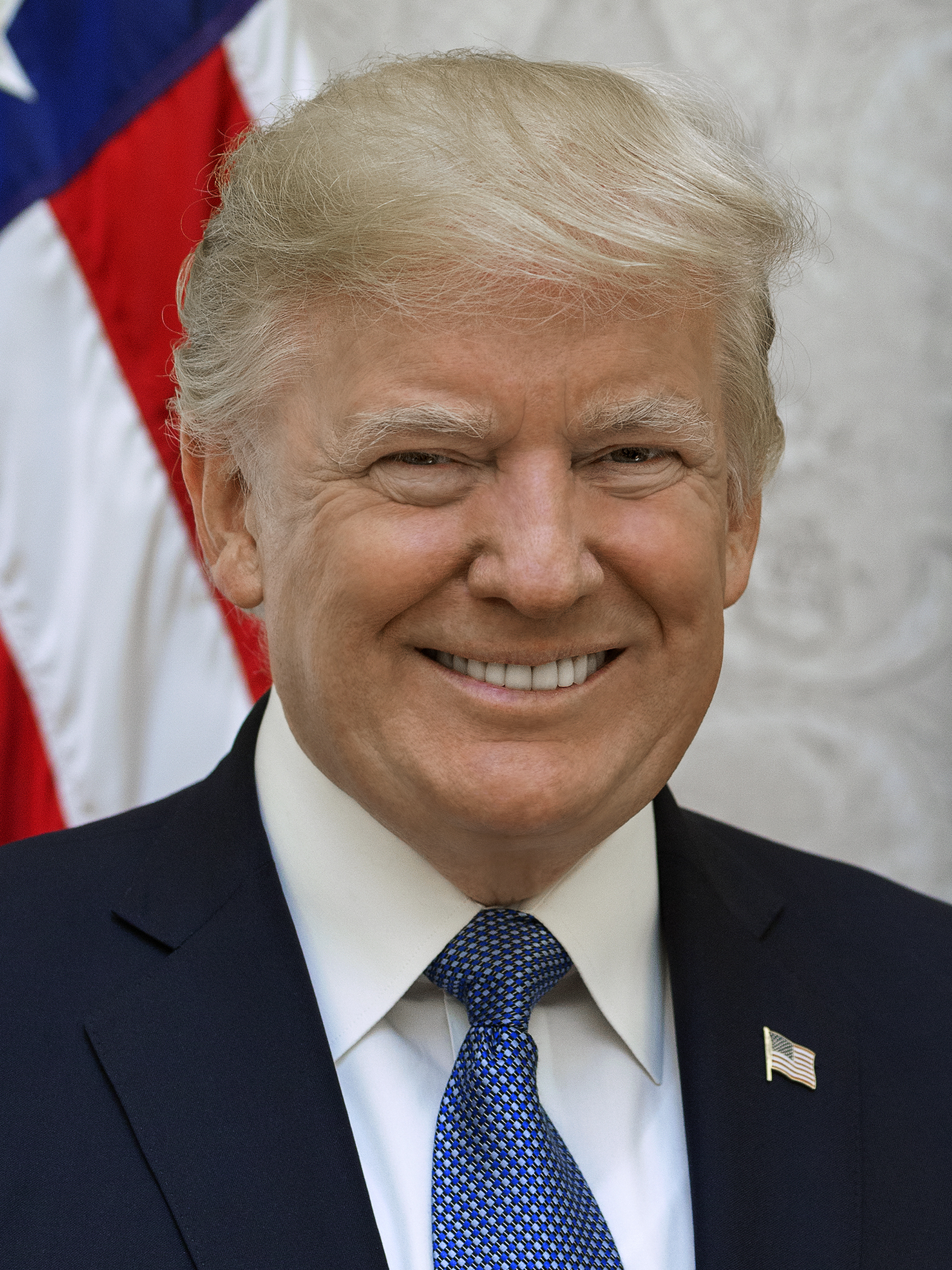
Donald Trump’s effort to get state voter rolls has been blocked in court as the Justice Department has lost multiple court decisions — 16 federal rulings so far — in the legal fights over access to voter registration lists. From Washington, the dispute was detailed in a USA Today report published July 18, 2026, and updated July 19, after rulings and filings around June 30 put fresh pressure on Trump’s election agenda.
State officials challenged the requests in court, and judges have rejected the Justice Department’s claims that it can demand broad, unredacted voter data. The losses matter because they cut at a central question of election power: who controls voter rolls, the states that run elections or the federal officials who say they are policing them?
Sixteen losses, one legal message
The Trump administration’s voter-roll push has run into a remarkably consistent judicial response. According to USA Today, the Justice Department has lost all 16 federal court decisions issued so far over its demands for state voter lists that include personal identifying information.
The records at issue are not simple public lists of names. States say the federal government has sought data such as addresses, birth dates, driver’s license information and Social Security numbers. Local officials have warned that such a collection could become a sweeping federal surveillance tool.
The administration argues the data is needed to keep elections accurate and secure, especially by identifying possible noncitizens on voter lists. Courts, so far, have not accepted the department’s legal theory.
That unanimity is politically notable. USA Today reported that 15 district judges and the 6th U.S. Circuit Court of Appeals have rejected the department’s demands as unlawful. Seven of the 15 district judges who ruled against the administration were appointed by Trump himself.
The bipartisan resistance is real
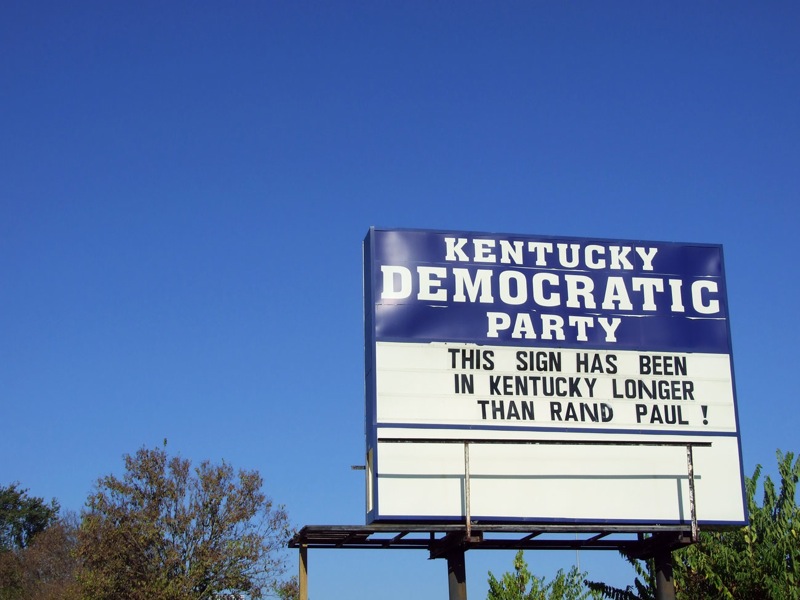
This is not simply a Democratic-state rebellion against a Republican president. Some Republican officials have resisted the Justice Department’s requests, too, including in Idaho, Kentucky, Utah and West Virginia, according to USA Today.
That matters because it undercuts the easiest partisan framing of the dispute. Election officials in both parties have said they support clean voter rolls, but many object to turning over sensitive state data without clear legal authority and privacy safeguards.
Idaho offered one of the sharper examples. James Craig, a lawyer in Republican Attorney General Raul Labrador’s office, wrote to federal officials that Idaho supports Trump’s goal of ensuring only U.S. citizens vote, but urged the department to drop the litigation. Craig also told federal officials to “stop threatening your friends in Idaho,” USA Today reported.
The resistance reflects a basic reality of American elections: states administer them. Even officials sympathetic to Trump’s stated goal may balk if Washington demands raw voter data in a way that appears to override state law.
What the Justice Department argues
The Justice Department’s position begins with election integrity. Harmeet Dhillon, who leads the department’s Civil Rights Division and is directing the lawsuits, told USA Today that the department is committed to elections that are “accurate, fair, and secure” and that this begins with “clean, up-to-date voter rolls.”
The administration points to federal laws that require states to maintain accurate registration lists, including the National Voter Registration Act and the Help America Vote Act. It also has cited the Civil Rights Act of 1960 as part of its demand for state records.
Trump set the effort in motion with a March 2025 executive order directing federal agencies to prioritize preventing noncitizens from voting. The Justice Department then sought to compare state voter lists against federal data, including the Department of Homeland Security’s Systematic Alien Verification for Entitlements database, known as SAVE.
That approach has created another legal fault line. One federal judge in Florida allowed four Republican-led states to use SAVE to check voter citizenship, while a judge in Washington, D.C., previously halted use of the database for that purpose after finding it unreliable, according to the USA Today account.
Why judges keep saying no
The courts’ skepticism has centered on authority, privacy and the Constitution’s division of election power. Judges have pointed to the constitutional provision giving states the power to set the “Times, Places and Manner” of federal elections, subject to Congress — not unilateral executive-branch control.
U.S. District Judge David Carter in Los Angeles called the government’s request “unprecedented and illegal” in one early ruling cited by USA Today. His decision framed the dispute as Congress’s job, not something the executive branch or a court could approve by stretching civil rights law.
Election-law experts have also argued that the Justice Department does not have the power to purge voter rolls. Justin Levitt, a Loyola Law School professor and former DOJ official, told USA Today that the department has “no power” to purge the lists and that courts are not accepting the government’s theory.
The privacy issue is not incidental. A national pull of unredacted voter data would expose millions of people’s personal information to federal collection and matching. States argue that their own privacy laws restrict what they can share, especially when the request sweeps in every registered voter rather than targeted records tied to specific evidence.
The claims behind the fight
Trump has continued to argue that noncitizen voting threatens election security, including in a July 16 White House speech. His administration says voter rolls must be checked for people who are ineligible, have died or have moved.
Opponents do not dispute that states should maintain accurate rolls. Their argument is that the administration is using a broad federal dragnet to solve a problem that judges, election experts and even some Republican state officials say is not systemic.
The competing claims can be boiled down this way:
- The administration’s view: Federal enforcement is needed because inaccurate voter rolls can undermine election confidence and allow ineligible registrations to remain active.
- The states’ view: Washington has not shown legal authority to demand unredacted statewide voter data, and the request risks violating privacy protections.
- The courts’ view so far: The Justice Department has not persuaded judges that existing federal law lets it seize or centrally police state voter lists in the way it proposes.
That gap between political message and legal authority is why the administration’s losses are significant. Courts are not merely asking for narrower paperwork. They are questioning whether the federal government can do this at all.
The midterm clock is ticking
The timing adds pressure. The Nov. 3 congressional midterms are approaching, and federal law generally bars broad voter-roll purges within 90 days of an election. That puts Aug. 5 on the calendar as a key practical deadline.
USA Today reported that two appeals courts have agreed to speed up their review of lower-court decisions. Acting Attorney General Todd Blanche told the Senate Judiciary Committee on July 15 that many of the cases remain on appeal and that the government has won some agreement on narrower points.
Still, the broader pattern is difficult for the administration to ignore: 16 decisions, no clean win on the core demand, and resistance from both Democratic and Republican election officials. The Justice Department can keep appealing, but every passing week makes it harder to translate litigation into action before the midterms.
What remains unclear is whether the administration will narrow its requests, seek congressional action, press the appeals aggressively or continue arguing that existing civil rights and election statutes give it enough authority. For now, Trump’s push for state voter rolls has produced a rare legal consensus: courts are telling Washington that election oversight still runs through the states.



Leave a Reply