
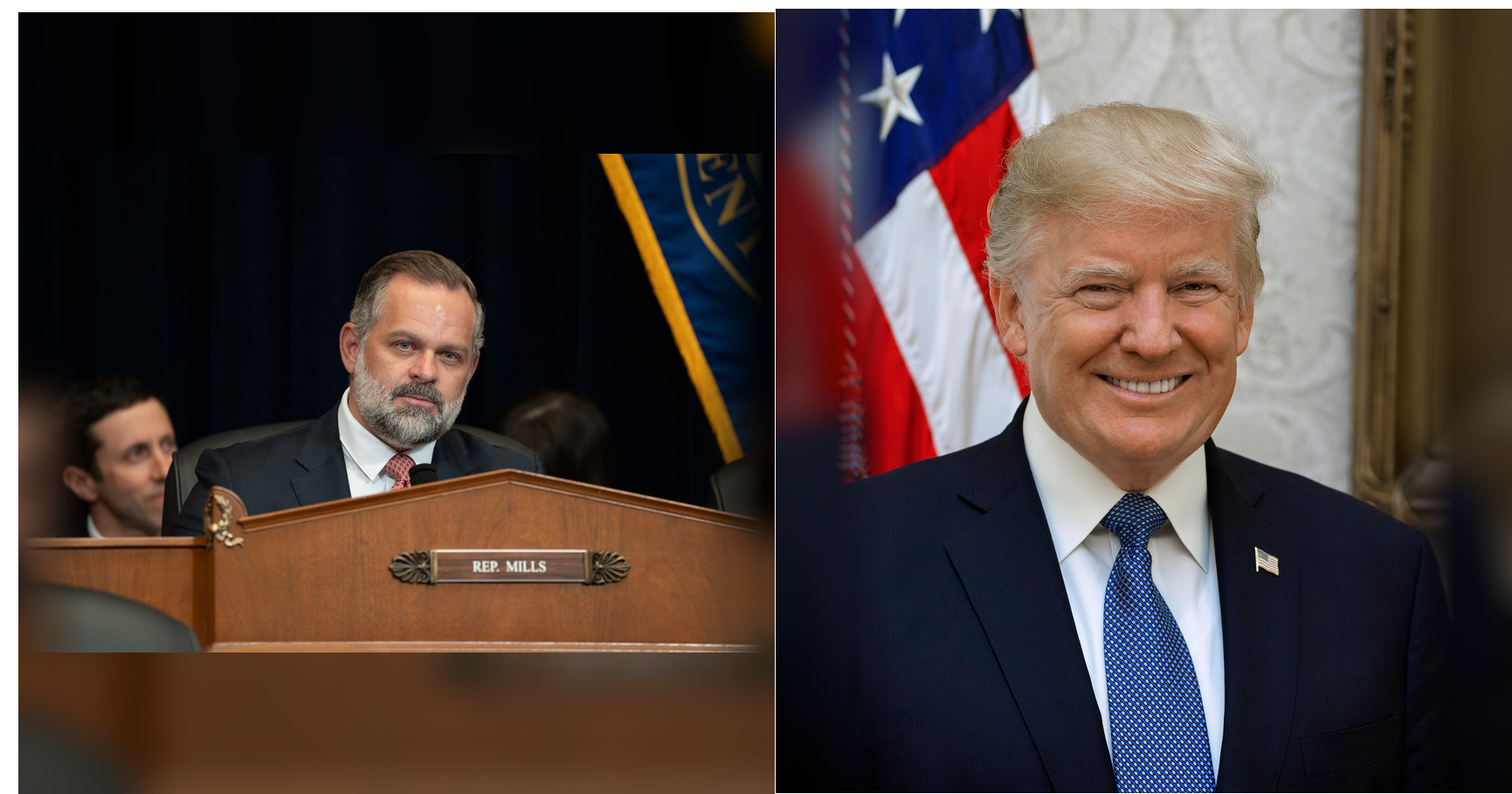
Trump’s post-defeat claim adds a new wrinkle to an already unusual loss for a Republican incumbent with the president’s backing. The result also sends Ryan Elijah to the general election in a district Trump carried in 2024.
Cory Mills lost a primary election in Florida despite Donald Trump’s endorsement, and Trump said afterward that he had told Mills to drop out of the race. The defeat of the Republican congressman in Florida’s 7th District gives Trump’s backing an unusual blemish and raises questions about how much the party’s most influential endorsement can overcome a candidate’s political liabilities.
Former television journalist Ryan Elijah won the Republican nomination over Mills, according to NBC News projections. Trump’s claim that he urged Mills to withdraw arrived after the result, placing new attention on the gap between public support for Mills and the president’s reported private advice.
Elijah defeats a sitting congressman
With more than 80% of the expected vote counted, Elijah held 46% to Mills’ 34%, according to NBC News. That margin made the contest more than a narrow escape for a challenger; it was a clear primary rejection of an incumbent in a reliably Republican-leaning district.
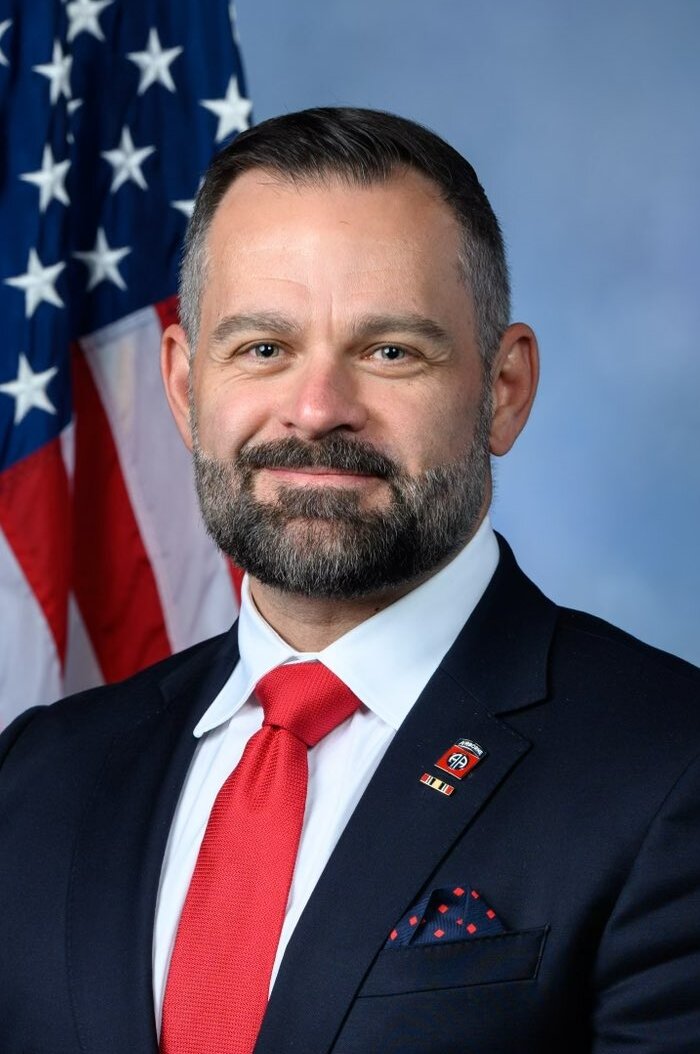
Florida’s 7th District voted for Trump by 12 percentage points in 2024, NBC News reported. That partisan backdrop made Mills’ loss especially striking, because the general political environment was not the main obstacle facing him in a Republican primary.
Elijah now moves on as the GOP nominee. Bale Dalton is projected to have won the Democratic primary, defeating former Rep. Alan Grayson.
Trump’s endorsement did not settle it
Trump had backed Mills, yet later said he told the congressman to leave the contest. The available reporting does not establish when Trump says that conversation occurred, what specific advice was given, or whether Mills responded publicly to that account.
The sequence matters because endorsements often function as a signal to voters, donors and local officials about where party power stands. A public endorsement paired with a later claim of private misgivings can leave allies and voters trying to understand which signal carried more weight.
Trump’s backing remains an important advantage in many Republican primaries, but it is not automatic protection. NBC News noted that Republican Rep. Andy Ogles of Tennessee also lost a primary this month despite Trump’s support.
Investigations shaped the campaign
Mills entered the race under pressure from multiple investigations and negative publicity. NBC News reported that the House Ethics Committee has been examining allegations involving sexual misconduct and campaign-finance violations, while the Justice Department has been investigating his finances.
Mills has denied wrongdoing in those matters. The investigations are not findings of guilt, and the reporting provided does not say they produced a final resolution before the primary.
Still, the allegations and scrutiny became central political facts of the contest. NBC News reported that prominent Florida Republicans, including Reps. Anna Paulina Luna and Mike Haridopolos, endorsed Elijah rather than their House colleague and emphasized the challenger’s character.
That local opposition offered voters a different kind of cue from a presidential endorsement. It suggested that Mills’ vulnerabilities were not merely a Democratic line of attack, but a concern shared by notable Republicans in his home state.
Money and local support favored Elijah
Mills raised less than $900,000 through late July, according to NBC News’ analysis of campaign-finance reports. That was about twice what Elijah raised, but it was still comparatively weak for a sitting House member seeking another term.
Elijah also spent substantially more on advertising, according to the ad-tracking firm AdImpact. NBC News reported ad spending of about $82,000 for Elijah, compared with roughly $12,000 for Mills.
Those figures do not by themselves explain a 12-point gap, but they show why raw fundraising totals can be misleading. A challenger with less money overall can still put more of it into direct voter communication, particularly in a race where an incumbent’s public image is under strain.
A rare loss with broader meaning
Mills is the 11th House member to lose a primary this year, according to NBC News, including seven Democrats and four Republicans. The outlet described that as an unusually high number, reflecting a cycle in which incumbency has offered less security than usual.
For Trump, the result is not proof that his endorsement has lost its force. One contest cannot answer that question, and Florida’s 7th District had unusually specific circumstances surrounding Mills. But it does show that the endorsement can be outweighed when a candidate confronts investigations, fundraising difficulties and organized opposition from within his own party.
For Mills, the primary ends his immediate path to another term in Congress. For Elijah, the next test is whether he can hold the seat for Republicans in the general election without the controversies that defined the primary.
What Trump’s claim leaves unresolved
Trump’s statement that he told Mills to drop out reframes the aftermath of the defeat, but important details remain unclear. Public reporting summarized here does not indicate whether Trump’s advice was delivered before or after he endorsed Mills, whether it was repeated, or whether the president sought to shift support to Elijah before Election Day.
Those unanswered details matter because they shape how party actors interpret the loss. If Trump’s endorsement remained in place despite private doubts, local Republicans may see the race as evidence that formal endorsements cannot substitute for sustained vetting and on-the-ground judgment.
The immediate result is settled: Elijah won the nomination, Mills lost despite Trump’s endorsement, and Trump says he had advised Mills to withdraw. The longer political argument will be over whether this was an isolated collapse or a warning sign for candidates who assume a presidential endorsement can overcome every weakness.





Leave a Reply