
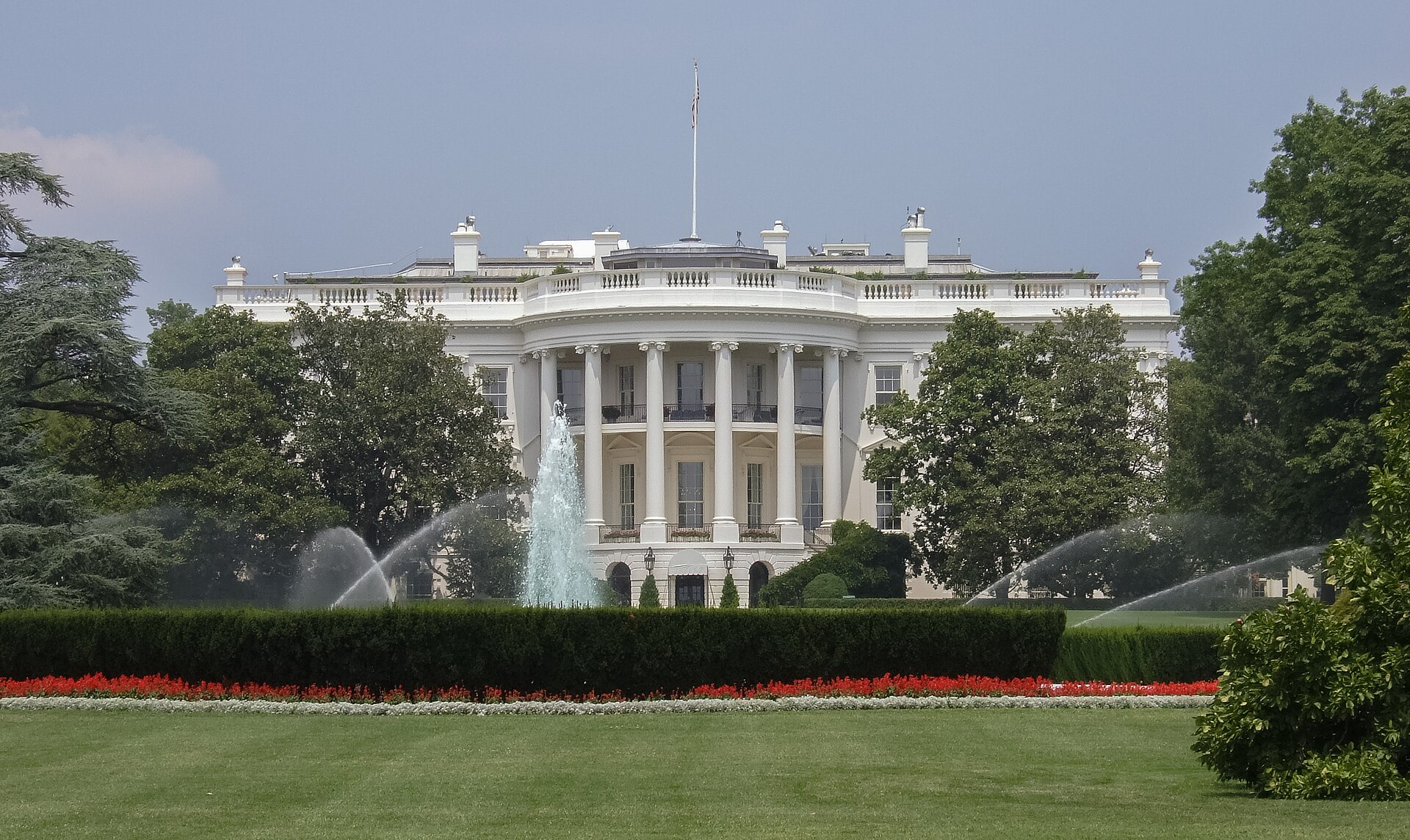
A court fight over a new White House event space has become a test of how quickly a major federal construction project can move while legal challenges are still underway. The immediate question is whether work can continue before the underlying case is resolved.
The White House ballroom construction dispute has reached the Supreme Court, with the high court considering whether the Trump administration may keep building the proposed 90,000-square-foot addition at the White House while litigation continues. The decision matters now because an appeals-court reprieve was set to expire at midnight Friday, potentially requiring construction officials to halt work.
The immediate fight is over a pause, not a final ruling on whether the ballroom is lawful. But the project’s reported pace has made that temporary decision unusually consequential: preservation advocates say continued work could make the changes effectively impossible to undo.
A fast-track request reaches Washington
President Donald Trump’s administration asked the Supreme Court to allow White House ballroom construction to continue after lower courts sided, at least temporarily, with the National Trust for Historic Preservation.
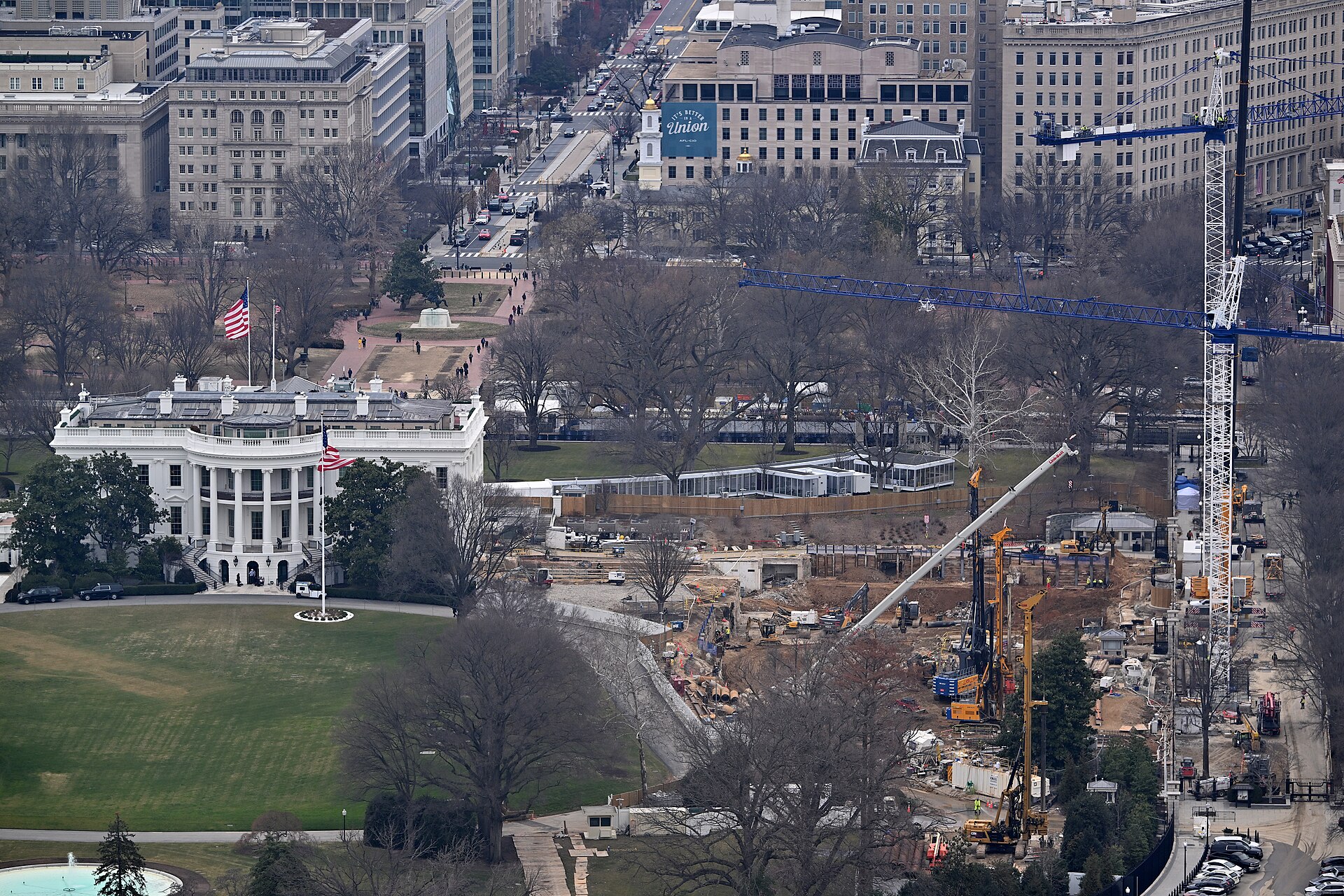
The administration is seeking a stay of an order from Senior U.S. District Judge Richard Leon that would block above-ground construction. A stay would keep that order from taking effect while the legal challenge proceeds.
That procedural distinction is important. Emergency applications often ask the Supreme Court to preserve or change the status quo before the justices have considered the full merits of a dispute. A decision on the administration’s request would not necessarily settle the broader questions about authority, funding or required approvals.
The Wall Street Journal reported that, without a Supreme Court ruling by the end of Friday, construction officials could be forced to stop building. The D.C. Circuit had issued a two-week reprieve to give the government time to seek high-court intervention.
The project is already well underway
The White House announced the ballroom plan on July 31, 2025, describing a large event space intended to accommodate more guests than the current White House facilities can hold. The plan calls for demolition of the East Wing and construction of a 90,000-square-foot ballroom.
According to SCOTUSblog’s account of the court filings, the administration told the Supreme Court that the project was 65% complete overall and moving quickly toward completion. The proposed building is described as including chandeliers, bulletproof glass, a military hospital and a drone port.
Those details help explain why both sides are treating the temporary construction question as much more than a scheduling dispute. Once a large building project advances past certain stages, a later ruling can be difficult to implement in practical terms even if a court ultimately finds fault with the process.
The National Trust argues that this is precisely the risk. Its lawyer, Tad Heuer, told the Supreme Court that the administration was trying to move construction so quickly that it would soon become “virtually impossible to deconstruct,” according to SCOTUSblog.
What lower courts have decided
Judge Leon ordered a temporary halt to above-ground ballroom construction while allowing underground work to continue, including work involving bomb shelters and bunkers, as well as above-ground activity needed for safety and security.
His order never actually took effect because the U.S. Court of Appeals for the D.C. Circuit temporarily paused it during the administration’s appeal. On Aug. 7, a divided three-judge D.C. Circuit panel upheld Leon’s ruling and gave the federal government 14 days to seek relief from the Supreme Court.
The appeals court majority said Congress alone has the power to regulate construction and demolition of White House structures and had not approved money for the ballroom. Judges Patricia Millett and Bradley Garcia also concluded that allowing the building to proceed could cause irreversible historic-preservation, architectural and visual harm to the National Trust’s members.
Judge Neomi Rao dissented. She argued, among other points, that the National Trust lacked standing—the legal right to bring the lawsuit—and maintained that the president has authority relevant to the project. That split frames the core disagreement now before the justices: whether the challengers can use the courts to stop the work and whether the administration’s authority is sufficient to proceed.
Preservation versus presidential control
The National Trust filed suit in December, seeking to stop construction until the National Capital Planning Commission and the Commission of Fine Arts reviewed the project, the planning commission approved it, and Congress authorized the ballroom’s construction.
Its position is rooted in preservation and process. The White House is both an operating executive residence and one of the country’s most consequential historic sites, so permanent physical changes carry a different public meaning than a typical federal building project.
The administration’s case emphasizes the White House’s operational needs and the president’s ability to oversee the complex. The original White House announcement said administrations had sought a larger event space for 150 years and presented the ballroom as a benefit for future administrations as well as the public.
Neither argument is merely symbolic. The preservation side says normal review and congressional authorization cannot be bypassed because a project is advancing rapidly. The administration’s view, as reflected in its emergency request, is that construction should not be stopped while it challenges the lower-court rulings.
Why the temporary ruling matters
The Supreme Court’s near-term choice may determine whether the construction pace continues uninterrupted or whether the administration must pause above-ground work. That is a consequential outcome even if the Court does not issue a full explanation or resolve the case permanently.
If the Court grants the administration’s request, the project can continue while the legal fight moves forward. Preservation advocates warn that a completed or nearly completed ballroom could leave little meaningful remedy if they later prevail.
If the Court leaves the lower-court order in place, the government could face an immediate constraint on the visible construction phase. Underground and security-related work permitted by Leon’s order would be treated differently from the broader above-ground buildout.
The dispute also highlights a recurring tension in emergency Supreme Court litigation: courts must decide whether to intervene quickly when the disputed action is still unfolding, even though the full legal record and final merits arguments have not yet been resolved.
The unanswered questions after Friday
The public reporting does not establish when the Supreme Court will act or how much reasoning it may provide. Emergency orders can be brief, and the justices could address only the temporary stay question rather than the ultimate legality of the project.
The larger case still turns on issues the lower courts have sharply contested: whether the National Trust has standing, what approval requirements apply to the project, what Congress has authorized, and how far presidential authority extends over changes to the White House complex.
For now, the ballroom’s future rests on an unusually concrete version of a familiar legal problem. A court can preserve a challenge on paper, but the value of that challenge changes as construction crews continue to transform the site at the center of the case.








Leave a Reply