
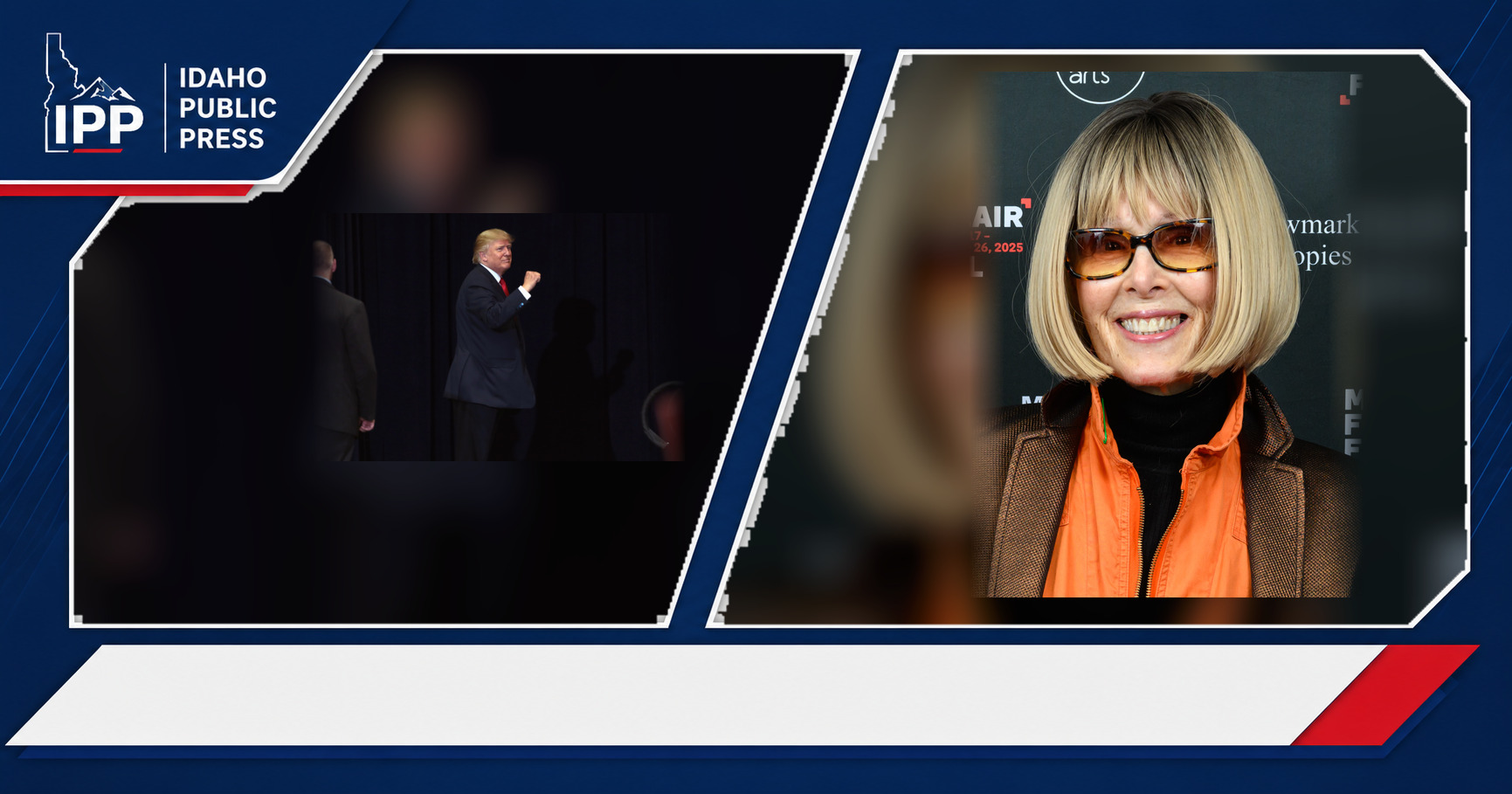
The court’s brief order ends Trump’s challenge to the 2023 verdict, though a separate $83.3 million defamation judgment remains under appeal. The decision also underscores how rarely the justices revisit routine disputes over trial evidence.
The U.S. Supreme Court rejected Donald Trump’s latest effort to block the E. Jean Carroll award on Monday, declining to hear his appeal of a $5 million verdict from New York City. The verdict stems from Carroll’s sexual abuse and defamation case against Trump, and the court’s decision means that award remains in place.
The brief, unexplained order did not revisit what happened at trial or endorse either side’s broader arguments. It did, however, close off Trump’s final Supreme Court route for challenging this particular jury verdict.
The $5 million verdict stands
A federal jury awarded Carroll $5 million in 2023 after finding Trump liable for sexually abusing her and for defaming her when he denied her allegation in 2022. Carroll, a longtime writer and former advice columnist, said Trump attacked her in a Bergdorf Goodman dressing room in the mid-1990s.
Trump has denied Carroll’s account and the allegations made by other women who testified or were referenced in the litigation. The civil verdict did not involve a criminal conviction; it was a finding of liability in a civil case, where the legal standards and potential penalties differ from criminal proceedings.
With the Supreme Court declining review, the lower-court rulings supporting the $5 million judgment remain effective. The justices offered no written explanation, which is standard when the court declines to take up an appeal.
Trump challenged the trial evidence
Trump’s lawyers had argued that the trial judge made unfairly prejudicial evidentiary decisions. Their challenge focused in part on allowing testimony from two other women who accused Trump of sexual abuse decades earlier.
The defense described that testimony and other rulings as highly inflammatory and argued they tainted the jury’s consideration of Carroll’s claim. Trump’s legal team also argued that the judge had misapplied federal evidence rules.
Carroll’s attorneys countered that the testimony was relevant because the accounts had similarities, and that the trial judge’s rulings fit established legal practice. They urged the Supreme Court not to review what they characterized as a fact-specific dispute over ordinary trial management.
The court’s refusal to hear the case does not necessarily mean the justices agreed with every lower-court decision. It means fewer than four justices voted to grant review, leaving the existing judgment intact.
Why Supreme Court refusals matter
The Supreme Court hears only a small share of the thousands of petitions filed each term. It generally reserves its docket for disputes involving major constitutional questions, conflicts among federal appeals courts or legal issues with broad national importance.
Arguments over evidence admitted in a single civil trial are usually a difficult fit for that standard. The court’s action therefore follows a familiar pattern: a short order, no oral argument and no opinion explaining why review was denied.
Still, the outcome has a practical effect. Trump can no longer use the Supreme Court to undo the $5 million Carroll verdict through this appeal, while Carroll retains the judgment the jury awarded.
For Trump, the decision adds another legal result that remains separate from his political standing and his other court cases. For Carroll, it represents the end of one long appellate path, not the end of all litigation connected to her claims.
A separate $83.3 million case remains
The Supreme Court’s order concerns the $5 million verdict, not the later $83.3 million defamation judgment Carroll won in 2024. That second jury award followed Trump’s repeated public denials and statements about Carroll after the first verdict.
Trump is appealing the $83.3 million judgment. That matter has not yet reached the Supreme Court, and the court’s decision in the earlier case does not automatically determine the outcome of the later appeal.
The distinction matters because the two cases arose from related events but involved different statements, trials and awards. Treating the latest order as a ruling on every Carroll-related claim would overstate what the court actually did.
The $83.3 million case also involves its own procedural questions, including the status of the judgment while appeals continue. Those issues remain for lower courts unless and until a new petition reaches the justices.
The ruling arrives amid wider scrutiny
The denial comes as the Supreme Court continues to issue decisions in cases involving Trump’s administration and his legal interests. That broader backdrop gives even a routine order added public attention.
But the Carroll order is legally narrow. The court did not issue a major new doctrine on presidential power, defamation law or sexual-abuse claims. It declined to intervene in an appeal centered on a particular civil trial.
Trump’s attorneys had portrayed the case as unfair treatment of a president, even though the 2023 verdict was returned before Trump’s return to the White House. Carroll’s side maintained that a president’s position did not create a reason for extraordinary Supreme Court review.
That disagreement reflects the larger public debate around Trump’s legal cases: his supporters often see politically charged litigation, while Carroll and her lawyers have argued that the civil justice system held him accountable under ordinary rules.
What the order does not answer
The Supreme Court’s action resolves Trump’s attempt to overturn the $5 million verdict, but it does not settle the appeal involving the larger defamation award. Nor does it address potential future disputes arising from public statements by either side.
It also leaves no written roadmap for lower courts because the justices did not explain their reasoning. Readers looking for a sweeping statement from the court about the evidence, Carroll’s allegations or Trump’s defense will not find one in this order.
The clearest takeaway is straightforward: the jury’s $5 million award to Carroll survives Trump’s latest appeal, and the separate $83.3 million judgment remains an unresolved legal fight.


Leave a Reply