
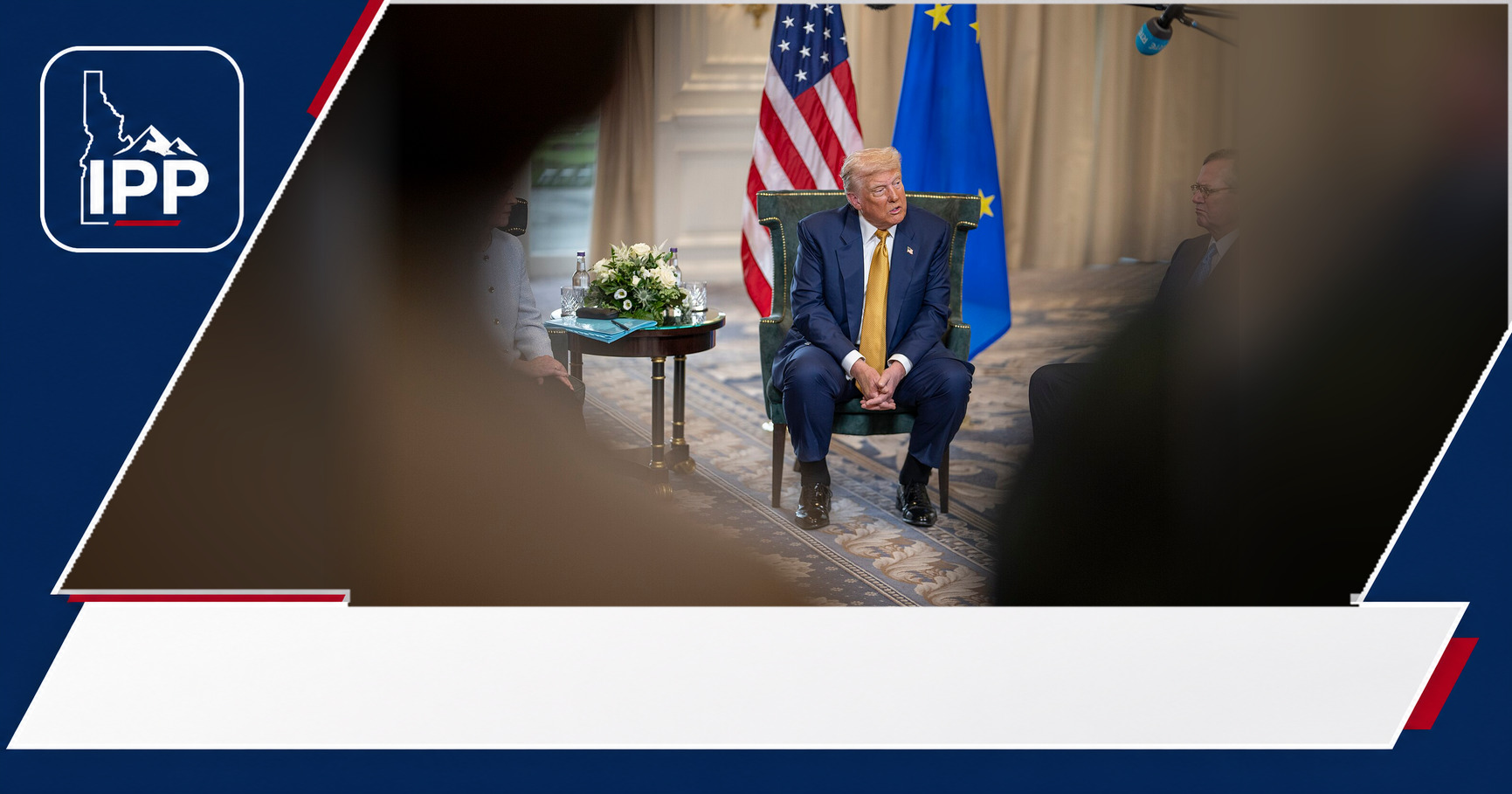
A circulating draft order has revived questions about how far a president can go in setting election rules. The answer could shape the fight over voting requirements before the 2026 midterm elections.
Donald Trump has pursued efforts to expand federal control over U.S. elections, including Executive Order 14248, signed March 25, 2025. A 17-page draft order circulating among his allies would go further, proposing extraordinary federal intervention in the 2026 midterm elections, although Trump says he is not considering it.
Those efforts have encountered resistance from state and local election officials, courts and constitutional limits. The setback means a president cannot simply take over election administration by executive order, but it does not end the campaign. Trump and his allies could pursue narrower executive actions, pressure state officials, seek congressional backing or continue challenging existing election rules.
The next phase may center on voter ID, proof-of-citizenship requirements, paper ballots and limits on mail voting. It will also show whether Trump responds to the legal and institutional wall by narrowing his approach or escalating the broader fight over federal authority before the midterms.
The draft order’s extraordinary premise
PBS News reported that it reviewed a 17-page working document circulating among some Trump allies. The proposal imagines a president declaring a national emergency over alleged foreign interference and then directing major changes to how the 2026 midterm elections are conducted.

Among the measures described by PBS: nationwide hand-marked paper ballots, public hand counts, voter re-registration through counties and documentary proof of citizenship. It also contemplates voter-identification requirements at the polls.
Those proposals would reach into the machinery of elections normally managed by thousands of state and local offices. That is why the document has generated alarm well beyond a dispute over a single voting rule.
Trump told PBS he was not considering declaring a national emergency around the midterms. The White House also said outside advocates routinely bring policy ideas to administration officials and cautioned that speculation about possible announcements remained speculation.
States run the voting system
The Constitution gives states the central role in administering elections. Congress has authority to regulate aspects of federal elections, but the president does not have an open-ended power to replace state election systems with federal directives.
That division of responsibility is the immediate wall facing any attempt to invoke emergency powers for election administration. A national-emergency declaration may unlock particular authorities under laws passed by Congress; it does not itself create authority to order states to rewrite election procedures.
Voting-rights advocates and election-law specialists cited by PBS said a takeover effort would face swift court challenges. Max Flugrath of Fair Fight Action said there is no statute permitting a president to seize control of state-run elections by declaring an emergency.
Supporters of a more muscular federal role make a competing argument. Peter Ticktin, an attorney and longtime Trump acquaintance who confirmed the document had circulated among supporters, told PBS that a president may act in an emergency involving foreign interference. That position would still have to overcome the specific limits of election law and constitutional federalism.
Trump’s existing order is already contested
The draft proposal does not arise in a vacuum. Executive Order 14248, issued on March 25, 2025, sought to reshape federal policy on election integrity, including adding proof-of-citizenship requirements to federal voter-registration forms, according to PBS.
That order prompted multiple lawsuits, which were still moving through the courts at the time of PBS’s report. Litigation is significant here because it can determine not only whether a particular rule takes effect, but whether the executive branch has the authority to impose it at all.
Critics say proof-of-citizenship mandates can burden eligible voters who do not readily have documents such as passports or birth certificates. Backers say citizenship verification is a necessary safeguard against unlawful voting. Evidence of widespread noncitizen voting affecting national election outcomes has not been established, but the policy debate remains politically potent.
The administration also has a legislative route. PBS reported that the Republican-led House passed the SAVE America Act, which would require documentary proof of citizenship for voter registration and tighten voter-ID rules. Its prospects in the Senate were uncertain.
Voter ID is not one national rule
Trump has signaled he wants voter ID in place before the 2026 midterms, writing on Truth Social that it would happen whether Congress approved it or not. That promise collides with the practical reality that states set many of the rules, train poll workers and run polling places.
Thirty-six states already require some form of identification at the polls, according to the National Conference of State Legislatures, as cited by PBS. Those laws vary substantially: some accept a broad set of documents, while others use stricter photo-ID standards or permit voters without ID to cast provisional ballots.
A national rule would therefore mean more than announcing a preference. It would require a valid legal mechanism, implementation by election administrators and a way through predictable court fights — all on a compressed timetable before 2026.
Why officials see a bigger warning
Colorado Secretary of State Jena Griswold, a Democrat, called the reported proposal a threat to election administration and said states would resist efforts to take control of their systems. Her response reflects a broader concern among state election officials: even an unimplemented proposal can intensify pressure on local administrators and public distrust in the vote.
Trump and his allies frame their agenda as election security, particularly against foreign influence and fraud. Opponents see the same agenda as an attempt to centralize control over rules that have historically been decentralized — and to justify that shift through unproven claims or emergency rhetoric.
Both views will matter politically. Yet the legal question is narrower: what power has Congress granted, what constitutional role remains with states, and can an emergency declaration alter either answer? Courts, not campaign messaging, would ultimately decide that.
The next fight may be less dramatic
The most immediate outcome is not necessarily a presidential takeover of elections. The stronger likelihood is continued conflict through executive orders, agency guidance, lawsuits, congressional bills and public demands directed at state officials.
Trump could keep advocating for voter ID, citizenship documentation and restrictions on mail ballots. States could adopt, reject or challenge particular changes under their own laws. Federal courts may be asked to rule on the March 2025 order as well as any future action.
For voters, the key distinction is between a proposal and a binding rule. The circulating draft has not been adopted, and Trump says he is not considering it. Still, the proposal shows how quickly the debate over election security can become a test of who controls the rules — and how firmly the U.S. system’s state-based structure can resist a federal push.




Leave a Reply