
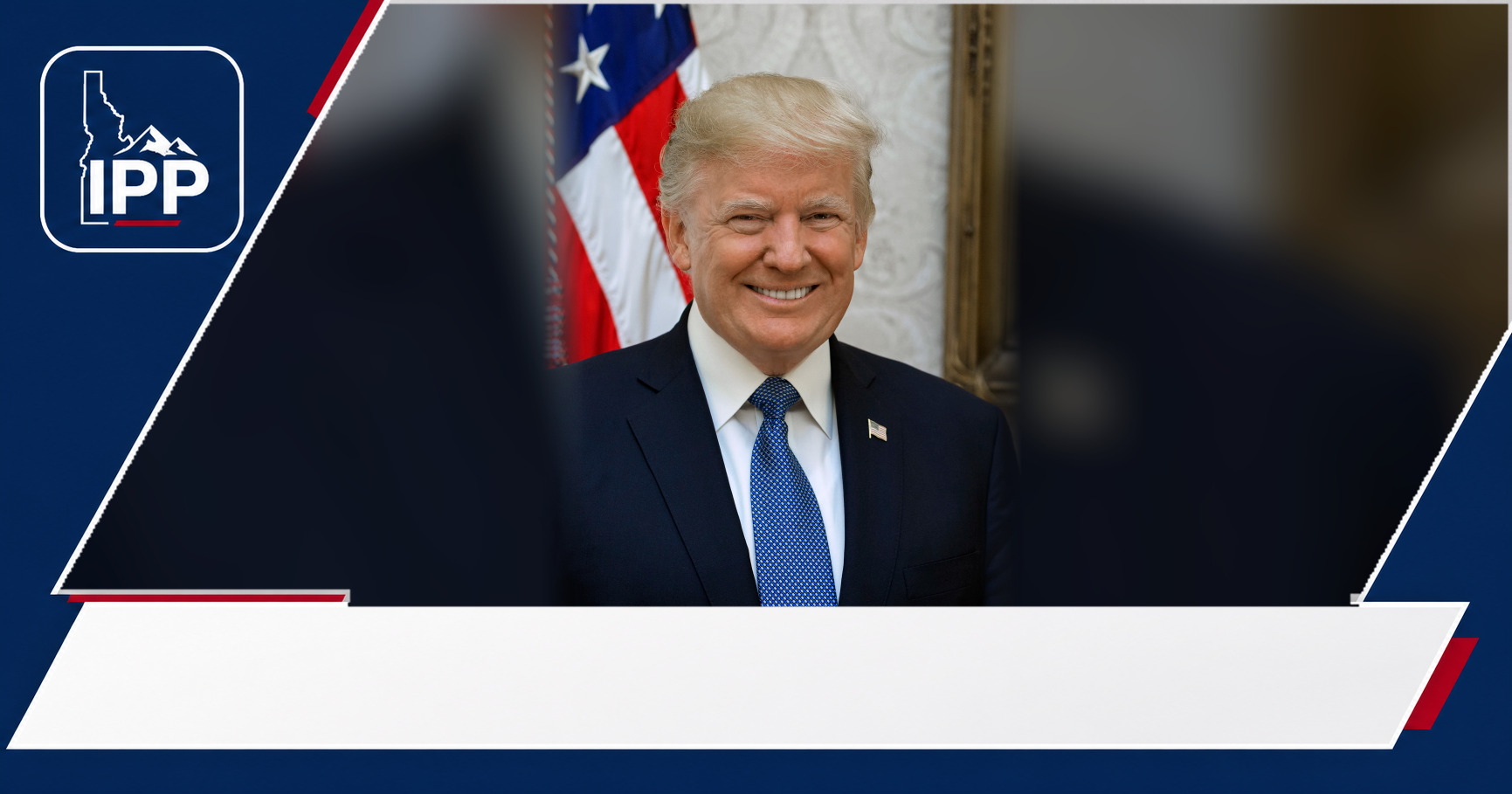
The finding puts personal financial sentiment at the center of the political debate around Trump’s economic record. It also shows why voters can remain pessimistic even when broader economic measures tell a more complicated story.
Most voters say they are worse off under Donald Trump, according to a new poll reported by the Financial Times. The finding is about voters’ perceptions of their own economic conditions under Trump’s presidency, and it matters because affordability was central to his political appeal.
A new poll reports this finding at a moment when household finances remain a powerful test of any president. Feeling worse off is not the same as a complete measure of the U.S. economy, but it can shape approval ratings, party trust and voting behavior more directly than a national data release.
The poll’s core warning
The Financial Times headline says that most U.S. voters feel worse off under Trump. Available reporting tied to the poll also indicates voters were more likely to trust Democrats than Republicans on inflation and the cost of living.

That is a difficult combination for a White House that has treated economic stewardship as a central part of its case to voters. Presidents do not control every price, wage or interest-rate decision, but voters often judge them through the expenses that arrive most often: groceries, rent, utility bills, insurance and borrowing costs.
The available source material does not provide the poll’s sample size, field dates, wording, margin of error or demographic breakdown. Those details matter. A poll can establish a meaningful snapshot of public sentiment, but it cannot by itself explain exactly which policies, prices or personal experiences drove each respondent’s answer.
Personal finances are the real test
Voters tend to separate broad claims about “the economy” from the money left after routine expenses. A strong employment report may not feel persuasive to a household facing a rent increase, higher food bills or credit-card balances that are harder to pay down.
That gap is especially important in an affordability debate. Inflation can slow without prices returning to their earlier levels. In practical terms, a slower rate of price increases still means many families are paying from a permanently higher base than they remember.
Wage growth can offset some of that pressure, but not evenly. A worker who received a pay increase may feel more secure; a retiree, renter, low-income household or family carrying debt may experience the same economy very differently.
So when voters say they are worse off, they may be describing a cumulative judgment rather than a single month’s financial change. The poll measures that lived assessment, which is politically potent even when economists debate the broader picture.
Other polling shows economic strain
The FT finding is consistent with other recent polling that has identified unease about Trump’s economic performance. An NPR/PBS News/Marist poll found 57% disapproved of Trump’s handling of the economy, while 36% approved.
In that NPR-reported survey, more than six in 10 respondents said the economy was not working for them personally. Trump’s overall approval rating in the same poll was 38%, according to NPR, which described it as his lowest Marist result since 2018.
Those numbers come from a different survey and should not be merged with the FT poll as though they were one data set. Still, both point in the same direction: a sizable share of the public is not experiencing the economy as affordable or secure.
That does not mean every voter blames Trump alone. Views of the economy are shaped by partisanship, local job conditions, housing markets, past financial experiences and expectations about what government can realistically change. Yet presidential accountability remains a defining feature of national politics.
Why affordability carries political weight
Trump made affordability a prominent campaign theme, promising to make America “affordable again,” as NPR noted in its reporting. That language set a high public expectation: voters were encouraged to judge his return to office partly through their own purchasing power.
When expectations are high, disappointment can travel quickly. Economic arguments based on stock prices, investment announcements or long-term policy plans may have limited impact if people believe their weekly budget has worsened.
The issue also reaches beyond a single approval question. The FT’s reported finding on trust in handling inflation and the cost of living suggests that voter concern may affect which party people see as more credible on everyday economic management.
- For Trump: the challenge is translating policy claims into visible relief for households.
- For Democrats: an opening on affordability does not automatically produce trust, particularly if voters associate them with earlier price increases.
- For voters: the argument will likely stay focused on tangible costs rather than abstract economic indicators.
The economic picture can be mixed
There is a fair counterpoint to any poll centered on feeling worse off: personal sentiment is not a full national economic scorecard. Employment, wages, consumer spending, inflation, business investment and financial markets can move in different directions at the same time.
People also evaluate their finances through comparison. Some compare their current bills with prices from several years ago; others focus on whether their pay, savings or job security have improved since Trump took office. Those are valid but different benchmarks.
Partisan identity plays a role as well. Supporters and critics of a president often interpret the same economic developments differently. That does not make the answers meaningless. It means the strongest reading of the poll is limited but important: many voters report a negative personal economic experience under Trump.
The unanswered question is whether that view is fixed or responsive to future changes in prices, incomes and confidence. Economic sentiment can shift rapidly, but persistent concern around basic costs is usually harder for an administration to overcome.
What to watch from here
The next round of polling will be most useful if it shows the underlying groups behind the headline result. Views among independents, lower-income households, renters, parents, seniors and voters in expensive housing markets could reveal where affordability concerns are most politically consequential.
Methodology will matter, too. Readers should look for who conducted the survey, when interviews occurred, how respondents were contacted, how questions were phrased and the margin of sampling error. Those details help distinguish a durable trend from a single volatile snapshot.
For now, the central message is clear: a meaningful number of Americans are evaluating Trump’s economic record through their own finances, and the available polling suggests many are dissatisfied. In politics, that perception can matter almost as much as the data behind it.








Leave a Reply