
The reported letter is part of a much larger struggle over who controls football’s global governing body. FIFA insists Infantino retains a democratic mandate, while critics question whether his leadership can survive the growing opposition.
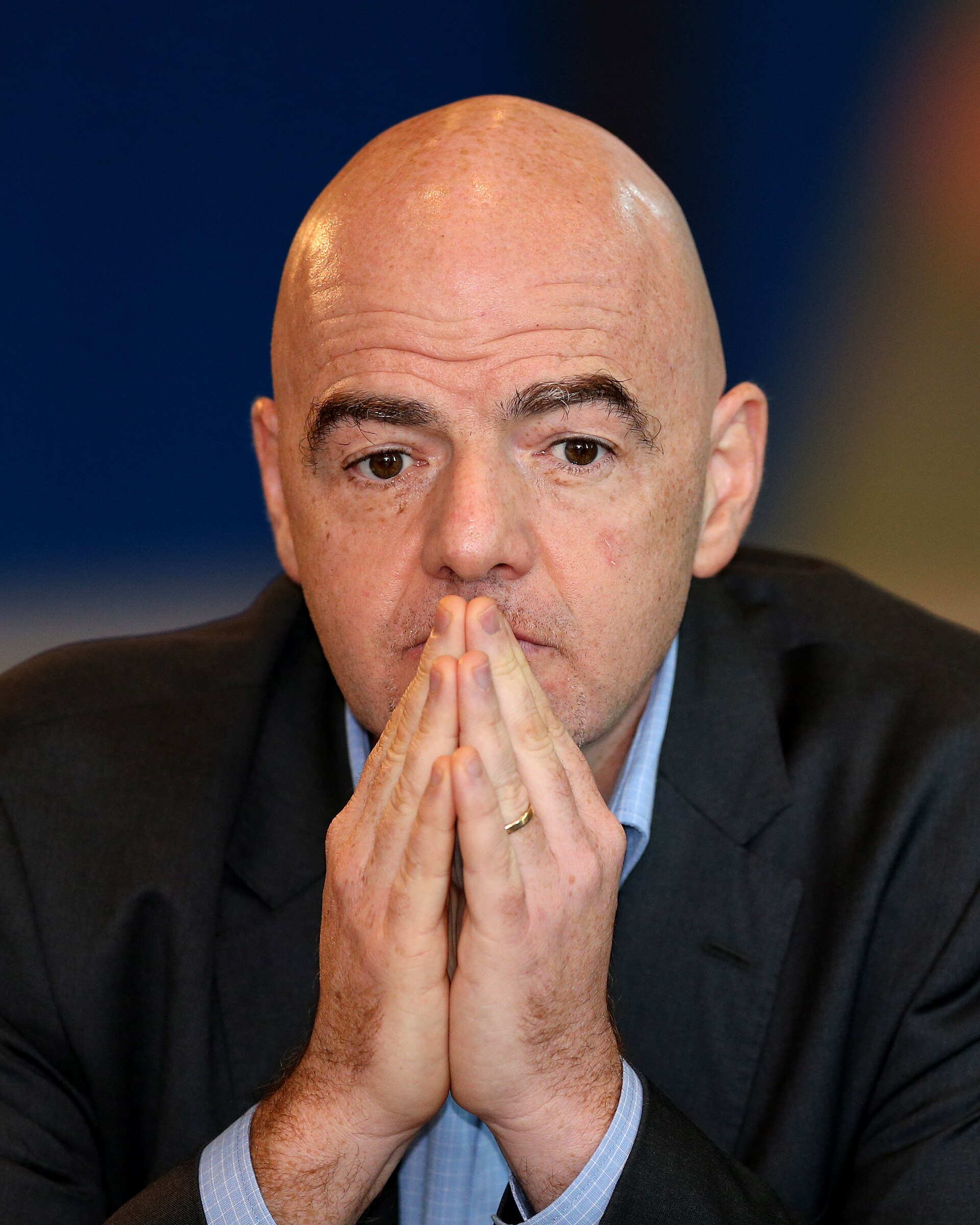
Gianni Infantino was reportedly threatened with the end of his reign as FIFA president in a leaked letter, adding fresh heat to the reported challenge to Infantino’s leadership of FIFA. The central issue is not simply the letter itself, whose full contents and provenance have not been publicly established in the available reporting, but a widening fight over whether Infantino can retain support before FIFA’s next presidential election.
FIFA says Infantino was democratically elected and still has the mandate of its 211 member associations. UEFA, however, has indicated that his continued leadership is untenable after a dispute over plans involving World Cup commercial assets, turning what began as a business and governance clash into a test of political power inside football.
The letter claim needs context
The report of a leaked letter presents the threat to Infantino’s presidency as a major development. Yet the available source material does not provide the letter’s text, identify its author with certainty, or show that it launched a formal FIFA removal process.
That distinction matters. A leaked communication can reveal the intensity of private pressure without carrying legal or constitutional force on its own. The meaningful question is whether opposition figures can translate their objections into the votes required under FIFA’s rules.
FIFA’s own response to the broader controversy has been combative. In a statement reported by The Guardian, the organization alleged there was a “concerted and ongoing effort” by some parties to undermine FIFA and its president.
UEFA’s dispute goes beyond personalities
The immediate fault line has been FIFA’s proposal to sell a 20% stake in a new company controlling World Cup commercial assets. UEFA opposed the plan and, according to the reporting, backed the possibility of a boycott by all 55 of its member countries unless the proposal was dropped.
FIFA abandoned the plan less than 48 hours after the boycott threat emerged. But that concession did not end the confrontation. UEFA later said its position had not changed, a sign that the dispute had become about governance, trust and the president’s leadership rather than one transaction.
For Infantino’s critics, the episode raised questions about how far FIFA could reshape the commercial structure around its flagship tournament without meaningful consensus. For FIFA and its supporters, the pushback can be portrayed as an attempt by established football powers to block a global body from setting its own direction.
Removing a FIFA president is difficult
Public criticism and leaked correspondence are not the same thing as removing a president. The Guardian reported that UEFA was seeking backing from other confederations for an Emergency FIFA Congress that could trigger a no-confidence vote.
Even calling such a meeting requires significant support. UEFA’s 55 member associations could provide 43 votes toward the threshold needed to convene an emergency congress, according to the report. Unseating Infantino would require 106 votes from FIFA’s 211 members.
That high threshold helps explain the sharp rhetoric from both camps. Opponents must build a coalition well beyond Europe, while Infantino’s supporters need to hold together a broad international alliance rather than merely win an argument in public.
- UEFA: has voiced opposition to Infantino’s continued leadership and challenged the World Cup commercial proposal.
- Concacaf: was reported to be aligned with UEFA in the broader dispute.
- Asian Football Confederation: was reported to include some support for the European position.
- CAF and Conmebol: have publicly backed Infantino, according to the reporting.
FIFA says its mandate remains intact
FIFA has rejected the premise that allegations or outside pressure should determine the presidency. A spokesperson said the president was elected by member associations and continues to serve with their mandate.
The organization also said it would not support or facilitate an election process that conflicted with its statutes, democratic procedures or governance framework. In unusually direct language, FIFA argued that those without member-association support should not seek through “allegation, insinuation or misinformation” what they cannot achieve through formal procedures.
That response sets up the core disagreement. Critics see accountability concerns and governance decisions that warrant a change at the top. FIFA sees an effort to bypass the structures that elected Infantino in the first place.
Allegations have intensified the pressure
The leadership fight has also been complicated by reporting about a departure payment to a former UEFA employee alleged to have been in a relationship with Infantino when he was UEFA general secretary more than a decade ago. UEFA confirmed that a payment was made, while FIFA described allegations around the matter as categorically untrue.
The Norwegian Football Federation has publicly called for Infantino to resign, according to the Guardian’s reporting. Those developments have increased scrutiny, but they do not establish wrongdoing, nor do they automatically create a route to remove him from office.
FIFA has criticized elements of the media coverage as unsubstantiated or false and said it would challenge reporting it views as inaccurate. The competing claims make careful attribution essential: several allegations are disputed, and the available reporting does not resolve them.
The next test is political support
The practical test for Infantino is whether the dispute remains a loud institutional feud or becomes an organized campaign capable of winning votes across FIFA’s confederations. The first visible pressure point may come at FIFA events and tournaments, including the Under-20 Women’s World Cup in Poland, which the Guardian identified as an early test of the boycott threat.
FIFA’s next presidential election is expected in March. Until then, the reported leaked letter is likely to be treated by supporters and detractors as evidence of the same broader struggle: whether the president’s coalition remains strong enough to withstand Europe’s challenge.
What remains unclear is who authored the reported letter, what precisely it demanded, and whether it represents an individual warning or a coordinated move. The verified institutional battle is clearer: Infantino faces significant opposition, but replacing him would require a level of global agreement his critics have not yet demonstrated.


Leave a Reply