
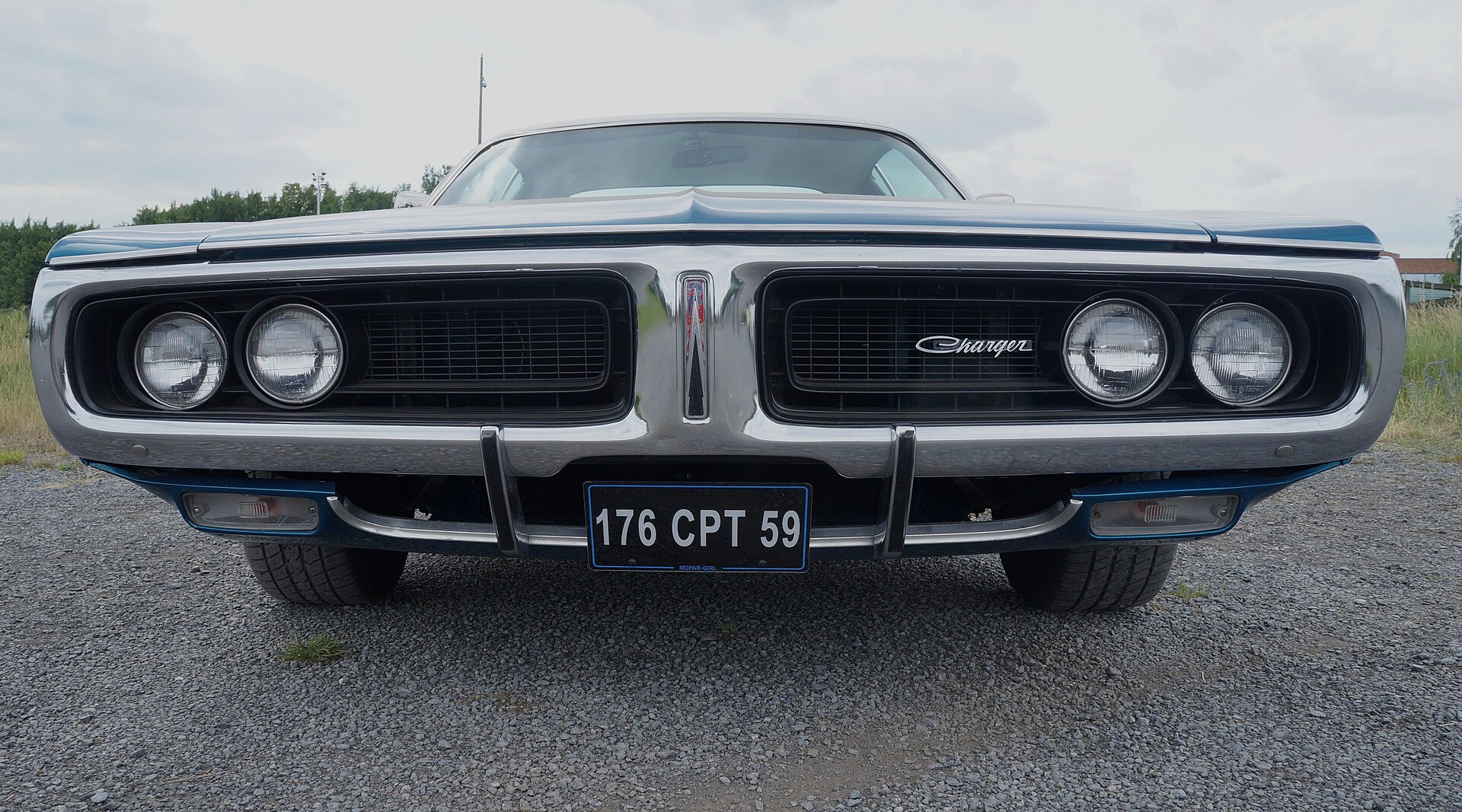
The fatal hit-and-run in Eastwick has left a family pleading for answers and police looking for a damaged Dodge Charger. The case also underscores the danger pedestrians face during late-night rideshare drop-offs.
Talyia Bernice Nesmith, 29, was killed after exiting a Lyft in Philadelphia on Monday at about 3:30 a.m., police say. She was crossing Elmwood Avenue in Eastwick, Southwest Philadelphia, when a speeding Dodge struck her and threw her into another vehicle, causing fatal injuries.
The Dodge driver fled the scene, according to the Philadelphia Police Department. Investigators are now trying to identify the driver and locate the car as Nesmith’s family asks why someone would hit her and keep going. A witness told WPVI she “didn’t even have time to react.”
A deadly moment after a ride
Police said Nesmith had just gotten out of a Lyft and was attempting to cross from the south side to the north side of the 7200 block of Elmwood Avenue when she was hit.
The impact threw her into the rear of a legally parked, unoccupied vehicle, according to information police provided to Law&Crime. Emergency responders took her to a hospital, where she was pronounced dead at about 4:05 a.m.
The crash unfolded in the early-morning darkness, a time when visibility, speed and reaction time can turn a routine crossing into a fatal encounter. Police have not said whether the Lyft driver remained at the scene or whether the pickup and drop-off location played any role in the crash.
The available police account centers on the vehicle that struck Nesmith and did not stop.
Police describe a damaged Dodge
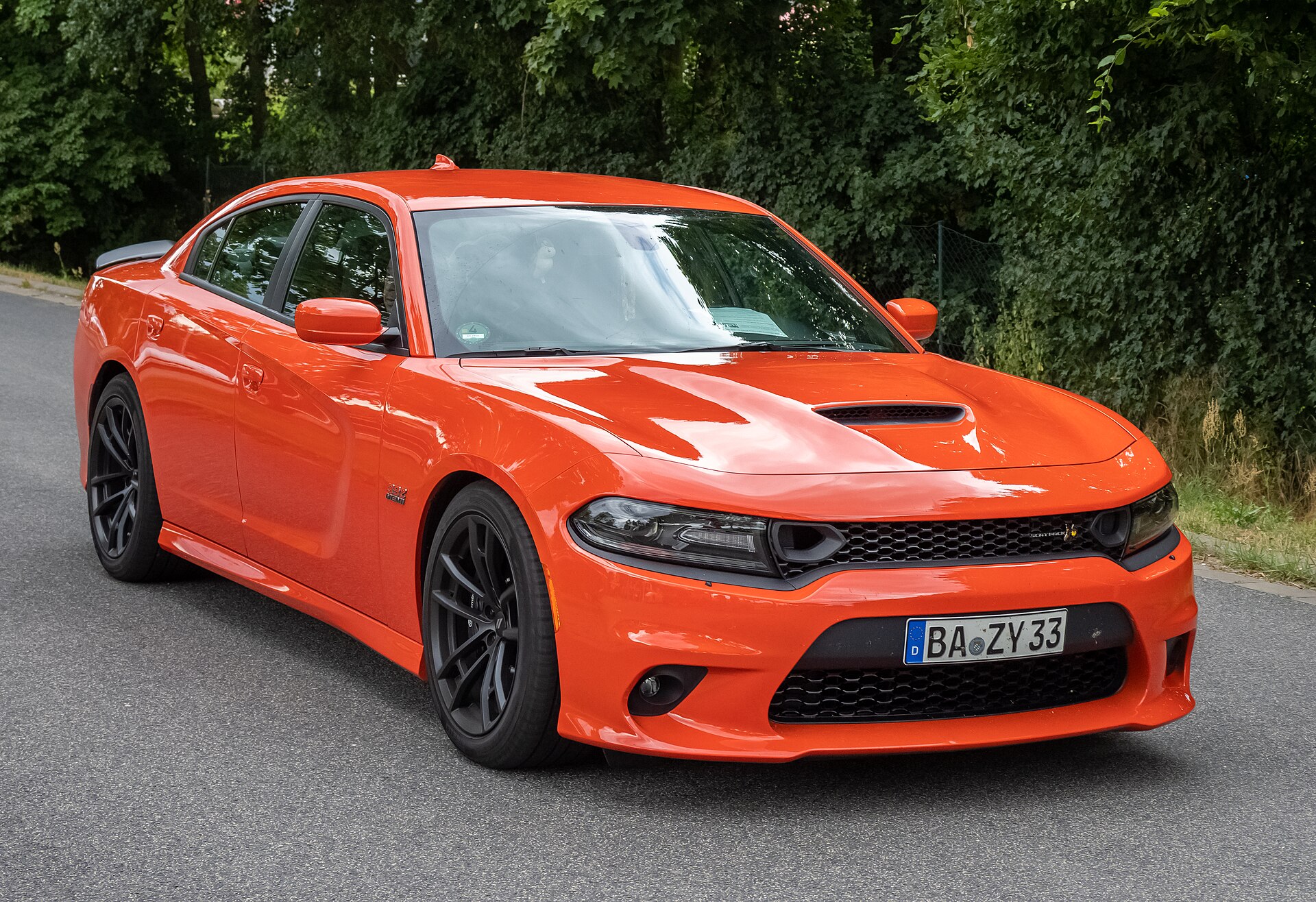
Investigators believe the vehicle involved was a black 2020 to 2023 Dodge Charger Hellcat or Scat Pack Wide Body, police said. Those models are high-powered versions of the Charger, a detail that may matter if police are trying to narrow vehicle sightings or repair records.
After striking Nesmith, the driver allegedly continued eastbound on Elmwood Avenue, struck another car and then drove off again, according to police.
Police said the Dodge may have damage on the passenger side and possible windshield damage. It was last seen traveling east on Elmwood Avenue.
No arrest had been reported in the source material provided. Police have not publicly identified a suspect, and key questions remain unanswered, including who was driving, how fast the car was traveling and whether the driver was impaired or racing.
A mother’s plea for surrender
Nesmith’s mother, Lakisha Smith, described her daughter to WPVI as compassionate and loving. Her comments centered not only on the crash itself, but on the driver’s decision to leave afterward.
“I just don’t understand how someone felt like it was okay to hit my child and keep going,” Smith told the station. She asked the person responsible to turn themselves in, saying Nesmith had “so much ahead of her.”
That pain is a common thread in hit-and-run cases: the collision kills or injures, but the flight adds another layer for families who are left waiting for basic answers. For investigators, every hour can matter as a damaged vehicle is moved, repaired or hidden.
Police appear to be leaning on vehicle description, direction of travel and surveillance footage as they search for the driver.
Surveillance may be critical
A witness, Michael Williams, told WPVI that surveillance footage connected to the investigation was difficult to watch. He said the car came “blazing down the street” before the impact.
His account helps explain why police are asking the public to look for a specific vehicle with specific damage. In urban corridors like Elmwood Avenue, cameras on homes, businesses, buses and traffic infrastructure can help reconstruct a vehicle’s path before and after a crash.
That kind of footage can do several things at once: confirm the vehicle model, show direction and speed patterns, capture a plate or partial plate, and reveal whether the driver stopped elsewhere after leaving the main scene.
Police have not said what video they have collected or whether they have clear images of the driver. The public description suggests investigators still need help closing the gap between a suspected vehicle and a person behind the wheel.
The rideshare detail matters carefully
The fact that Nesmith had just exited a Lyft is central to the timeline, but it does not by itself mean the rideshare company or driver caused the crash. The police account, as reported, says Nesmith had exited the vehicle and was crossing the street when the Dodge struck her.
Still, the rideshare context matters because many trips end with passengers stepping into complex street environments: double-parked cars, dark blocks, fast traffic, bike lanes, bus stops and gaps between parked vehicles. The most dangerous part of a ride can come just after the app says the trip is over.
Late-night drop-offs can be especially risky. Drivers may choose a convenient curb instead of the safest crossing point. Passengers may be focused on getting home. Other motorists may be speeding through roads that feel empty at 3:30 a.m.
None of that reduces responsibility for a driver who strikes someone and flees, if police allegations are proved. It does show why a single fatal crash can raise broader questions about street design, enforcement and how passengers get from curb to door.
What investigators still need
The immediate task for Philadelphia police is finding the Dodge and identifying the driver. The reported description gives investigators several possible paths: body-shop alerts, license-plate reader data, private surveillance footage, neighborhood tips and sightings of a black Charger with fresh damage.
For the public, the most useful information would likely be specific and time-stamped: a vehicle matching that description near Elmwood Avenue early Monday, a car with passenger-side or windshield damage, or video showing a Dodge Charger traveling eastbound after the crash.
There is also a legal distinction that may shape the case. A fatal crash is already serious, but leaving the scene can bring separate criminal exposure. Prosecutors, if an arrest is made, would weigh the evidence around the collision, the driver’s knowledge, and what happened afterward.
For Nesmith’s family, the larger question is simpler and more painful: who hit her, and why did they not stop? Until police answer that, the case remains both a fatal traffic investigation and a search for accountability on an Eastwick street where a routine ride home ended in death.

Leave a Reply