
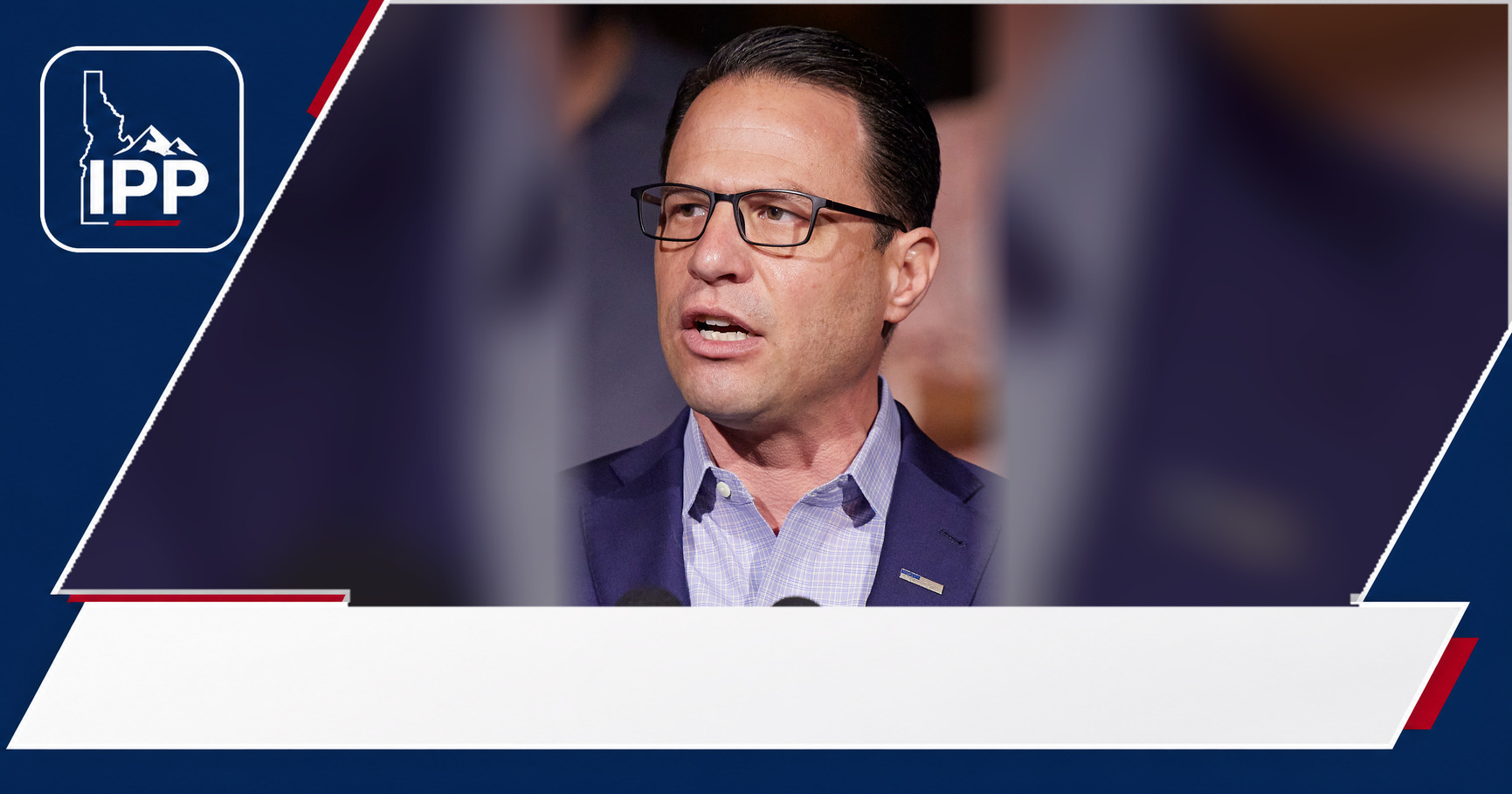
For Shapiro, winning a second term may be only the first measure. The bigger test is whether he can show durable appeal in a state Democrats see as central to the next White House fight.
Josh Shapiro is running for reelection as Pennsylvania governor in 2026, and the midterms could affect his 2028 presidential hopes even if he is heavily favored to win this year. His political standing in Pennsylvania matters for a possible White House run because Democrats will be looking for candidates who can prove strength in a competitive, consequential state.
The question is not simply whether Pennsylvania Gov. Josh Shapiro wins. It is whether his reelection campaign shows broad appeal, down-ballot influence and a governing message that can travel beyond Pennsylvania before the 2028 presidential election begins in earnest.
Why this race carries extra weight
The Associated Press has described Shapiro as heavily favored for reelection while noting that a lot is still on the line for him this year. That is the core tension of his 2026 campaign: a likely win can still produce very different political meanings.
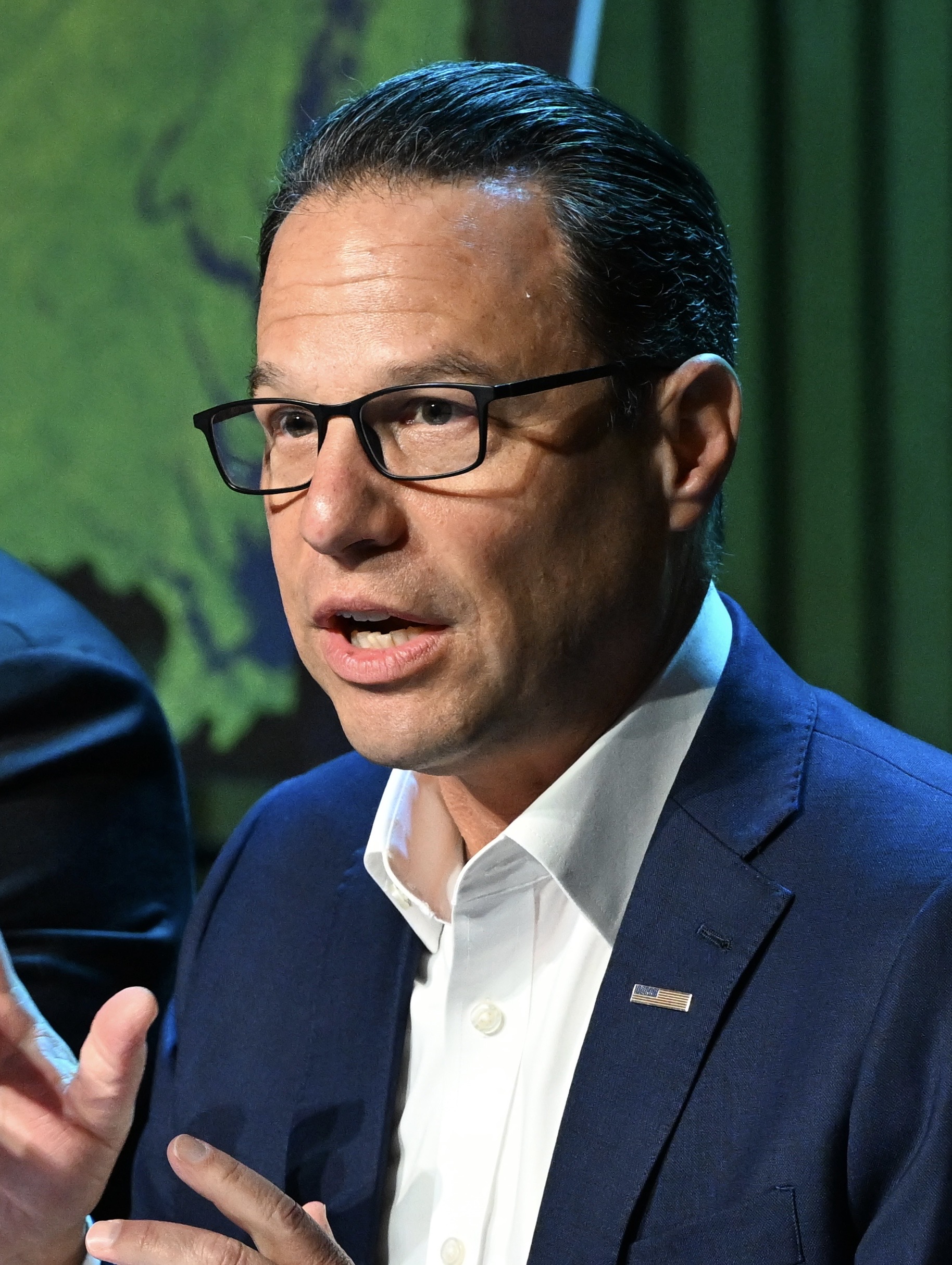
A narrow victory would keep him in office, but it might cool some of the national attention around him. A comfortable win could reinforce the argument that he knows how to win voters in a state that remains central to presidential math.
The New York Times has described Shapiro, a Democrat, as widely seen as a potential presidential contender. That national frame changes how every local campaign stop, policy fight and Election Day result is read. In a normal reelection race, a governor asks voters for another term. In Shapiro’s case, allies and rivals are also watching for signs of a larger campaign.
Winning may not be enough
For a governor with 2028 buzz, reelection is the baseline. The bigger question is whether Shapiro can deliver a result that looks like a mandate rather than a routine hold.
That means the margin will matter, but it will not be the only number worth watching. Operatives will look at where he improves, where he slips, and whether his coalition appears durable across regions and types of voters.
They will also watch whether he helps other Democrats. A governor who wins while the rest of the ticket struggles can argue personal strength. A governor who lifts the broader ticket can claim something more valuable: political transferability.
That distinction matters in presidential politics. Primary voters and donors often want electability, but electability is hard to prove before a national race. A strong midterm performance in Pennsylvania would give Shapiro a concrete case to make.
Pennsylvania is the selling point
Shapiro’s strongest national asset is not only his résumé. It is the state he governs.
Pennsylvania remains one of the places both parties study closely because it combines large cities, suburbs, smaller industrial communities, rural counties and a politically restless electorate. A Democrat who can run well there can claim experience with the kind of voters the party cannot afford to lose.
That does not automatically translate into a presidential lane. Statewide popularity can be personal, local and built around issues that do not map neatly onto a national primary. Governors often have the advantage of appearing pragmatic at home, then face pressure to define themselves more sharply when national activists, donors and media enter the picture.
Still, Pennsylvania gives Shapiro a powerful argument if his reelection campaign goes well. He would not be presenting himself as a theory of electability. He would be pointing to fresh election results in a state with obvious national relevance.
The upside of staying local
One reason Shapiro’s 2026 campaign matters is that he does not have to sound like a presidential candidate to benefit from it. In fact, sounding too national could be a risk.
Voters choosing a governor may be wary of a politician who appears to be using the job as a launchpad. Shapiro’s best path may be to keep the race grounded in Pennsylvania concerns while allowing national observers to draw their own conclusions.
That creates a useful contrast with would-be 2028 contenders who spend more time on cable television, in early-primary states or at national party events. Shapiro can argue that he is doing the work at home while still building a national profile through performance.
The downside is that a local-first strategy can limit his exposure. If other Democrats move earlier to court national constituencies, Shapiro may later have to introduce himself to voters outside Pennsylvania while rivals have already built relationships.
What Democrats will measure
The 2026 midterms will not answer every question about Shapiro’s 2028 prospects, but they will give Democrats several data points that matter.
- Margin: A decisive win would strengthen the perception that Shapiro has room to grow beyond the Democratic base.
- Geography: Performance in suburban, urban, small-town and rural areas will shape the story of his coalition.
- Ticket effect: If other Democrats benefit from his campaign, he can argue he has organizing power, not just personal appeal.
- Message discipline: A campaign focused on governing results may help him avoid looking overly ambitious.
- Post-election posture: How quickly he returns to governing, and whether he leans into national attention, will be watched closely.
Official results from the Commonwealth of Pennsylvania’s elections site will provide the raw numbers. The political interpretation will come quickly afterward, and it may be harsher than the actual result. Presidential speculation tends to turn even solid wins into scorecards.
The risks inside the hype
There is a danger in treating every gubernatorial race as a presidential preview. Voters do not necessarily cast ballots with 2028 in mind, and state races can turn on local issues, candidate quality and turnout patterns that are not easily repeated.
Shapiro’s allies may see the midterms as a chance to demonstrate strength. Skeptics may see the national attention as premature. Both views can be true at the same time.
A strong reelection would not guarantee a 2028 campaign, much less a nomination. A weaker-than-expected result would not end his future either. It would, however, change the way donors, activists and potential rivals assess his ceiling.
That is why the midterms matter for Shapiro even before a presidential field forms. His 2026 campaign is a governing test, a Pennsylvania test and, whether he embraces the label or not, an early 2028 test. The outcome will not decide his future by itself, but it will shape the first serious draft of his national story.








Leave a Reply