
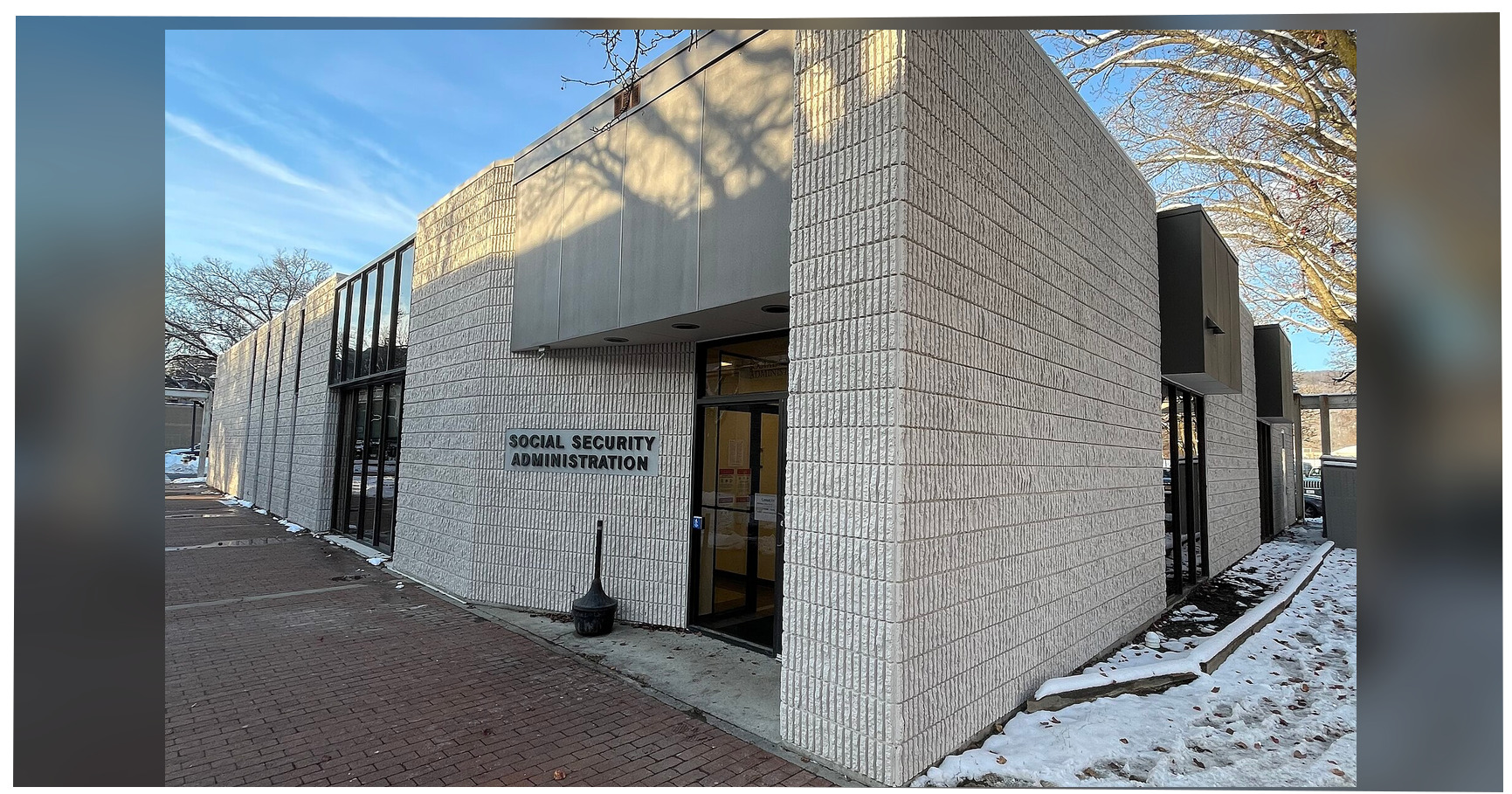
A projected 2027 increase would be the largest Social Security adjustment since 2023 if current estimates hold. But the formula follows inflation data, not a presidential decision, and the final figure will not arrive until October.
Social Security’s 2027 COLA could receive a second consecutive Trump-related “bump,” according to a claim tied to the current inflation outlook. Donald Trump’s policies may be part of the broader economic debate, but the 2027 COLA is on pace for an historically unusual outcome only if inflation data hold: a projected increase of about 3.5% to 3.6%, which would be Social Security’s largest annual adjustment since 2023.
For Social Security recipients, the key point is less political than practical. The official 2027 cost-of-living adjustment has not been set, and neither the White House nor Congress directly chooses it. The Social Security Administration will calculate it using inflation readings from July, August and September, then announce the result on Oct. 14.
Why the 2027 forecast stands out
Two widely watched estimates released after July inflation data put the likely 2027 increase above recent annual adjustments. The Senior Citizens League projected a 3.6% COLA, while AARP projected 3.5%.

Both estimates were trimmed slightly as inflation cooled. The Senior Citizens League’s prior forecast was 3.8%, and AARP had estimated 3.6%. That downward revision is an important reminder that a forecast is not a benefit decision.
Even so, a COLA in that range would be notable. CBS News reported that a 3.5% to 3.6% increase would be the biggest yearly benefit adjustment since 2023.
The Trump link needs caution
Calling the projected increase a “Trump bump” makes for a simple political narrative, but it goes beyond what the COLA formula can prove. The adjustment reflects measured consumer inflation, and inflation can be affected by a wide mix of forces: consumer demand, wages, housing, energy, global supply conditions, Federal Reserve policy and government actions.
A president’s tariffs, tax policies, spending priorities or regulatory decisions can influence the economy over time. But it is difficult to isolate one administration’s effect from the rest of those variables, especially before the final three-month inflation window has closed.
That distinction matters because a larger COLA is not automatically a sign that retirees are financially better off. It usually means the prices measured by the government have risen faster. A bigger benefit increase can help households catch up, while also reflecting a more expensive daily life.
How Social Security sets COLAs
Social Security uses the Consumer Price Index for Urban Wage Earners and Clerical Workers, known as CPI-W. The agency compares the average CPI-W reading for July through September with the average for the same three months in the prior year.
If the index rises, benefits increase by the same percentage, rounded to the nearest tenth of 1%. If it does not rise, there is no COLA. The system is automatic under federal law; it does not require a new vote in Congress or a signature from the president.
That formula also explains why the October announcement is so important. July data are already known, but August and September readings can still push the eventual number up or down.
What it could mean for checks
The average retired worker received about $2,071 a month in January, according to Social Security Administration data cited by CBS News. A 3.6% increase would add roughly $75 a month, bringing that average payment to about $2,146 at the start of 2027.
Actual increases will vary because benefits vary. Someone receiving $1,500 a month would see an increase of about $54 at 3.6%, before deductions. A beneficiary receiving $2,500 a month would see about $90 more.
- At 3.5%: a $2,000 monthly benefit would rise by about $70.
- At 3.6%: a $2,000 monthly benefit would rise by about $72.
- After deductions: the change in a deposited payment can differ because of Medicare premiums, taxes or other withholdings.
Medicare Part B premiums deserve particular attention. When premiums rise, they can offset part of a Social Security increase for many beneficiaries. The net amount recipients see in their bank accounts may therefore be smaller than the headline COLA percentage suggests.
Retirees still face a timing gap
The purpose of a COLA is to preserve purchasing power, but it is based on inflation that has already happened. That lag can be frustrating for households that have dealt with higher grocery, rent, insurance and health-care bills throughout the year.
Shannon Benton, executive director of the Senior Citizens League, told CBS News that seniors experience price increases in real bills rather than as percentages on a chart. The group found in a June survey that 89% of respondents said the 2026 COLA of 2.8% left benefits short of inflation.
There is also a long-running debate over whether CPI-W fully captures the spending patterns of older Americans. Some advocates favor an index that gives more weight to health care, while others warn that changing the formula could create higher costs for the Social Security program.
October will settle the question
The current 3.5% to 3.6% estimates are useful planning markers, not promises. Inflation has cooled from earlier levels, which reduced the forecasts, and another shift in the August or September CPI-W data could change the calculation again.
For now, the historically unusual part of the story is the possibility of a relatively large adjustment in back-to-back years compared with the modest increases seen in some recent periods. Whether that becomes a second Trump-related “bump” is a matter of political interpretation; whether beneficiaries receive a larger COLA will be decided by the federal inflation formula on Oct. 14.









Leave a Reply