
Pence’s warning puts a consumer-cost lens on a fast-moving trade dispute between two closely linked economies. The immediate fight centers on 50 percent U.S. tariffs, but the bigger question is whether both sides can step back before retaliation widens.
Mike Pence said the U.S.-Canada trade fight is adding to affordability concerns and poses risks to the economy as American consumers struggle with high costs. His warning came after 50 percent U.S. tariffs on an array of Canadian products took effect Saturday, raising the prospect that a dispute between the United States and Canada could reach well beyond negotiating tables.
The former vice president’s point is not that every tariff produces an immediate, identical price increase. It is that a trade war with America’s northern neighbor can create another source of pressure when households are already focused on what groceries, transportation and everyday goods cost.
Pence frames tariffs as a household issue
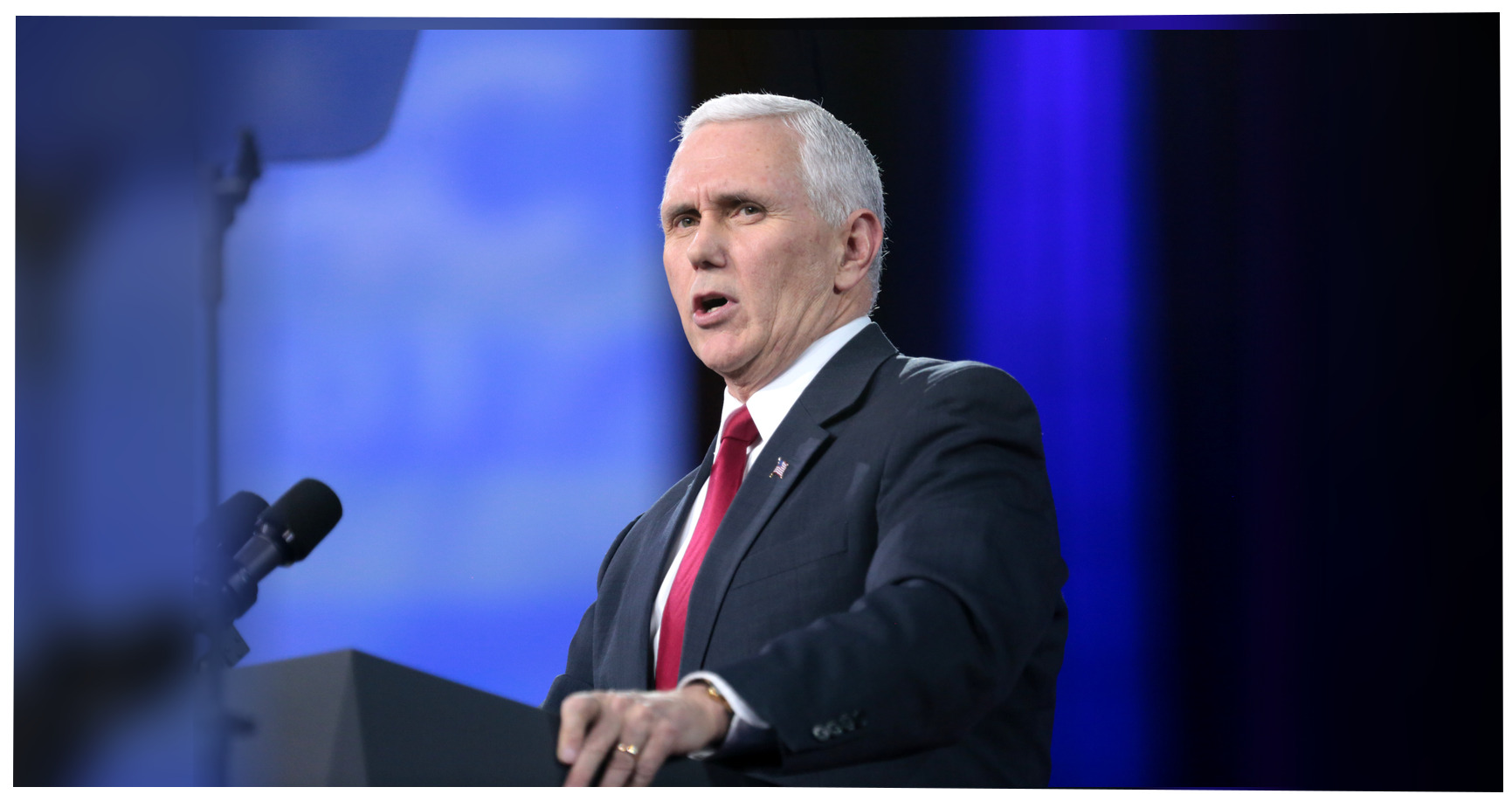
Speaking on CNN’s State of the Union, Pence said affordability is already a defining concern for voters and families. “The last thing we need right now,” he said, is a trade war with Canada while the economy is getting back on its feet.
That is a notable message from a Republican who served alongside President Donald Trump. Pence did not argue that the United States should abandon tough negotiations. He said he would advise the president to drive a hard bargain, while pursuing free trade with “free nations,” particularly Canada.
His distinction matters. Pence’s argument is not simply about diplomacy or bilateral relations; it is about the economic trade-off in using tariffs against a major trading partner. A policy designed to press Canada for concessions may also leave U.S. importers, retailers and consumers dealing with higher costs or disrupted supply arrangements.
He said he hoped the confrontation would prove to be negotiation rather than a sustained trade war, invoking the interests of American families. That leaves room for the administration’s stated objective of securing fairer terms, while warning that escalation itself carries a price.
What the 50 percent tariffs cover
The Washington Post reported that the new U.S. tariffs of 50 percent apply to an array of Canadian products, including whisky and hockey gear, following the collapse of trade talks. Those items are highly visible examples, but the policy reaches into a broader commercial relationship.
The Office of the U.S. Trade Representative said in July that the administration was imposing additional 50 percent tariffs on nearly $20 billion in Canadian imports. The agency said the measures involved motor vehicles, alcoholic beverages and dairy, and were authorized under Section 338 of the Tariff Act of 1930.
In its explanation, the USTR characterized Canada’s treatment of certain U.S. exports as discriminatory. It cited Canadian actions involving U.S. alcohol products, dairy access and vehicle exports, and said the tariffs were intended to counter disadvantages facing American workers, farmers and businesses.
That is the administration’s case for the tariffs: they are leverage meant to answer what it sees as unequal treatment, not an end in themselves. Pence’s warning centers on the other side of the equation: leverage can become costly if the conflict lasts and the response broadens.
Canada signals it will retaliate
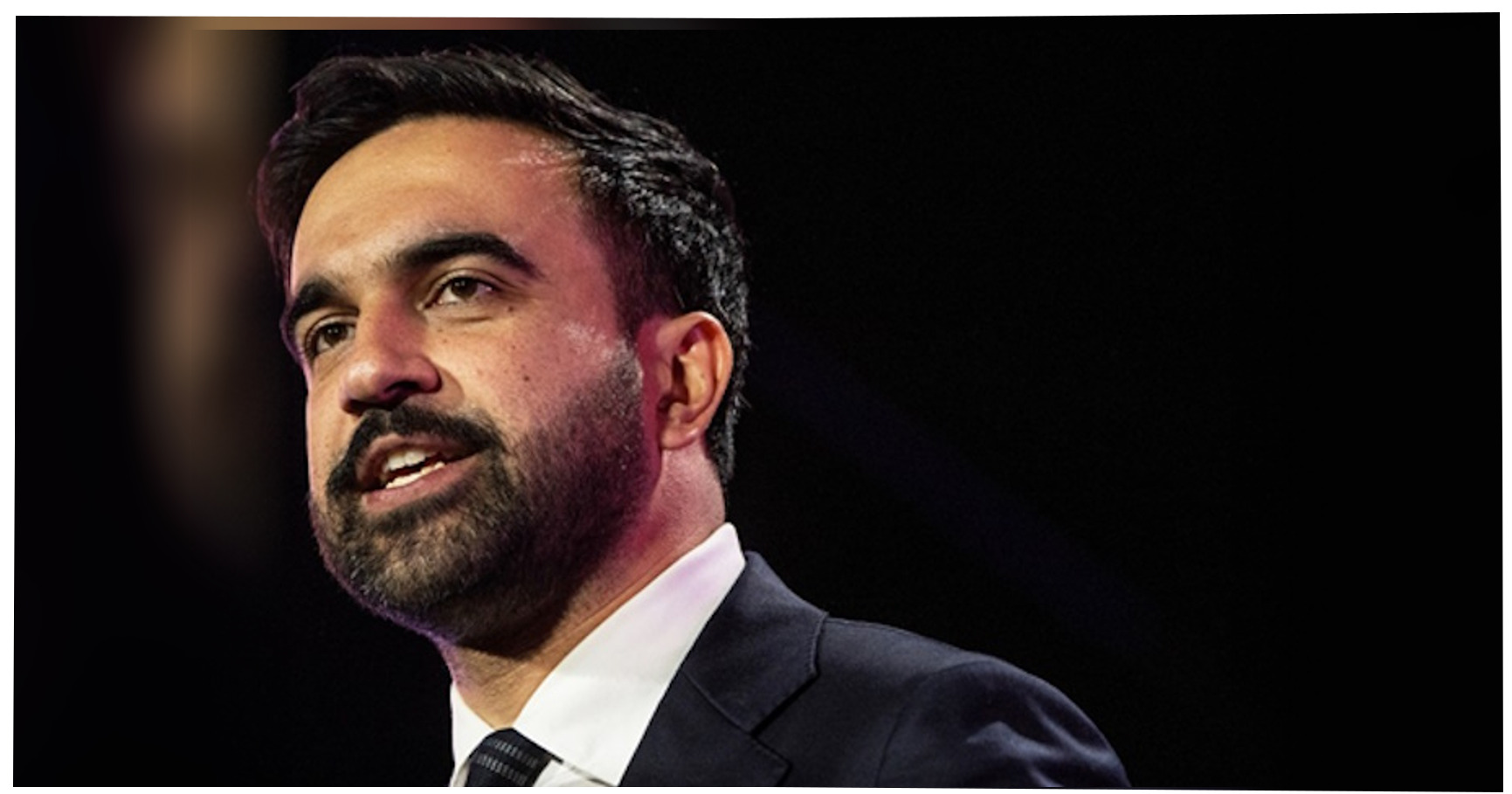
Canadian Prime Minister Mark Carney said Canada would match the U.S. tariffs “dollar for dollar,” according to the Post. That response makes the dispute more than a one-way import policy; it sets up the possibility of a cycle in which each country answers the other’s restrictions with new ones.
Trump and Carney have both used sharp rhetoric, Pence said. Heated language can make compromise politically harder, especially once each government has publicly committed to defending its producers and domestic industries.
Canada has an unusually close economic connection with the United States, which is why the disagreement draws attention even though tariff disputes are not new. Companies on both sides often buy, sell and source across the border, and many products depend on inputs that move between the two countries before reaching a final buyer.
The practical effect will depend on the products covered, the availability of substitutes, how long the tariffs stay in place and whether Canadian countermeasures target U.S. exports with their own supply chains and constituencies. None of those details guarantees a particular price change at a particular store.
Why consumers could feel the fallout
Tariffs are taxes on imported goods paid at the border by importers. Businesses can respond in several ways: absorb some of the cost, negotiate with suppliers, switch sourcing, reduce other expenses or pass part of the added expense to customers.
That means a tariff does not automatically translate into a 50 percent jump on a retail shelf. The final effect can be diluted, delayed or shifted through the supply chain. But it can still add friction and uncertainty, particularly where a business has few easy alternatives to Canadian products or components.
Pence’s affordability argument is therefore broader than whisky or hockey equipment. Consumers may be affected indirectly if companies face higher input costs, altered contracts or retaliatory measures that hit American producers. Businesses can also postpone decisions while they wait to see whether a tariff is temporary negotiating pressure or a lasting policy.
Supporters of the administration’s approach would counter that accepting foreign barriers or unequal market access also costs U.S. workers and firms. From that view, tariffs can be justified if they force trading partners to remove restrictions and produce a more balanced deal. The disagreement is largely about whether the potential negotiating gains outweigh the near-term disruption and the risk of a wider conflict.
A test for trade-war restraint
The next development to watch is whether Washington and Ottawa return to talks with a path toward de-escalation. Pence explicitly called for negotiation rather than confrontation, while Carney’s promise of dollar-for-dollar retaliation suggests Canada is preparing to answer pressure with pressure.
It remains unclear how long the current tariffs will remain in force, what specific Canadian response will follow, and whether either government will offer concessions that reopen talks. It is also unclear how much of any higher cost businesses will absorb instead of passing along.
For now, the political stakes extend beyond a technical trade dispute. The White House is making the case that tariffs defend American industry against unfair treatment. Pence is warning that a prolonged fight with Canada could undermine that case if families experience it as another hit to affordability.
His message is a reminder that trade policy is judged not only by the terms of an eventual agreement, but also by what happens while the bargaining continues. When the partner is Canada, the cost of miscalculation can move quickly from a diplomatic dispute into an everyday economic concern.
Sources behind the warning
The account of Pence’s CNN remarks, the tariffs taking effect and Carney’s stated response was reported by The Washington Post. The U.S. Trade Representative’s July statement describes the administration’s Section 338 rationale and says the action covers nearly $20 billion in Canadian imports involving vehicles, alcoholic beverages and dairy.
Those accounts establish the positions of the principal parties. They do not yet settle the central economic question: how far the dispute will escalate, or how much of its cost will ultimately be visible to American consumers.






Leave a Reply