
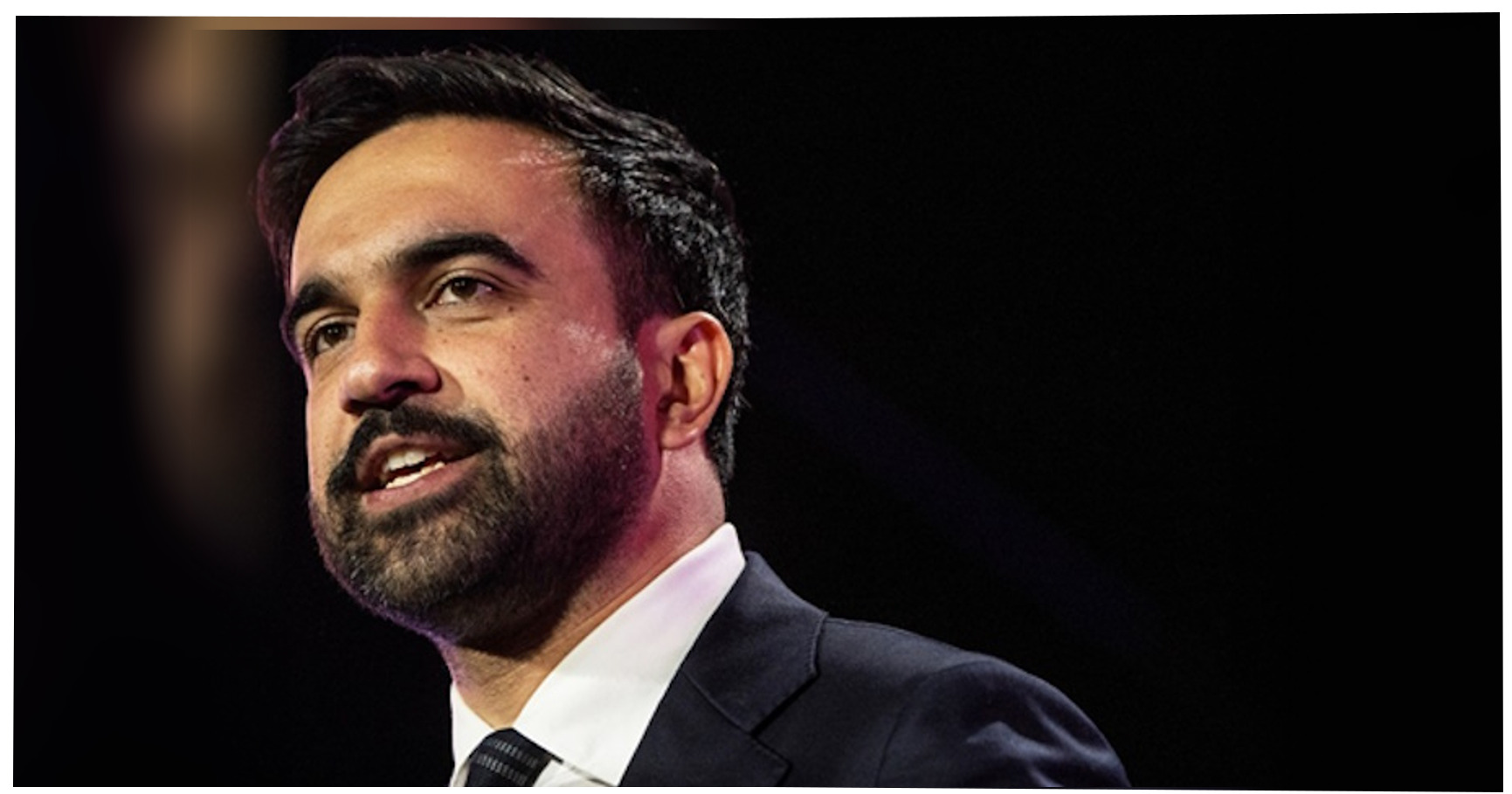
New York City’s proposed grocery-store experiment is meant to lower food bills, but it also puts a sharper focus on who pays for the discounts. The central question is whether public funding can improve affordability without undercutting neighborhood businesses.
Zohran Mamdani has proposed a city-owned grocery store plan in New York City that would offer 30% discounts on staples through five stores, one in each borough. New York City taxpayers could face two layers of costs under the plan: public support for a roughly $70 million initiative and the subsidy built into lower checkout prices.
The first store is expected to open in the Bronx toward the end of 2027, with all five locations targeted by the end of Mamdani’s term in 2029. The proposal matters because it turns a familiar household pressure — expensive groceries — into a test of how far city government should go to lower everyday costs.
A discount backed by city funds
Mamdani’s pitch is straightforward: city-owned stores would sell produce, meat and pantry staples at prices 30% below typical retail pricing. For households juggling rent, transit, child care and food bills, that discount could be meaningful, especially on purchases made every week.
But a discount does not appear from nowhere. If stores sell groceries below the price needed to cover their full costs, the gap must be covered through some combination of public funding, supplier terms, operating efficiencies or outside revenue.
That is the core of the taxpayer debate. Critics say residents could pay once through city resources used to launch and sustain the stores, then again indirectly through the subsidy that permits the stores to charge lower prices. Supporters would frame the same arrangement differently: taxpayers would be pooling resources to give New Yorkers a direct and visible break on necessities.
What the five-store model includes
The plan calls for five stores across New York City’s five boroughs. The first is slated for the Bronx by late 2027; city officials have identified sites in Manhattan and the Bronx, while locations in Brooklyn, Queens and Staten Island were not immediately clear in reporting by The Associated Press.
The city has begun seeking private operators for the day-to-day work of running the stores, according to AP. Under the outline described so far, the city would provide storefronts and cover rent and property-tax costs, while private operators would manage daily operations.
That hybrid structure matters. These would be city-owned stores, but not necessarily stores staffed and run directly by municipal employees. The final contracts, operating terms, supply arrangements and performance requirements will help determine whether the model is a limited subsidy program or a more expensive long-term public retail operation.
Why critics see two costs
The phrase “pay twice” is a criticism, not a confirmed accounting finding. It reflects concern that city residents would finance the physical stores and operating support while also financing the 30% consumer discount through public subsidies.
There are several costs policymakers will need to separate clearly:
- Startup costs: securing, renovating and equipping storefronts.
- Occupancy costs: rent, property taxes, utilities and maintenance.
- Operating support: management contracts, staffing, logistics, technology and security.
- Price subsidies: the money needed if discounted sales do not fully cover food procurement and other expenses.
- Oversight: auditing contracts, measuring results and preventing losses or waste.
A reported $70 million figure has become part of the public discussion around the initiative, but a useful assessment requires more than a headline number. New Yorkers would need to know whether that amount covers initial setup, annual operations, discounts, all five stores, or only part of the program.
The case for a public grocery option
Mamdani has argued that food affordability should not be left solely to private market forces in one of the nation’s most expensive cities. At a Brooklyn news conference, he said no New Yorker should have to worry about being able to feed their family.
There is a practical argument behind that position. A municipal store could concentrate aid in places where residents face high prices, limited full-service grocery access or both. If the stores reliably deliver lower prices on basics, the benefit could be easier for shoppers to see than a tax credit or a program with complicated eligibility rules.
Supporters also argue that universal access avoids the stigma and paperwork sometimes associated with targeted food-assistance programs. A shopper would simply encounter lower shelf prices, rather than navigate an application process.
Still, universality is also where critics see a weakness. Andrew Rein, president of the Citizens Budget Commission, told AP that the city should more thoroughly analyze the program’s cost, its effect on unsubsidized stores and whether subsidies for all shoppers are the most cost-effective response to food insecurity.
Bodegas have a lot at stake
The plan is not only a budget question. It also raises concerns for bodegas, independent grocers and smaller food retailers that operate with thin margins and cannot draw on city funding to lower their prices.
Mamdani has said the stores would not sell hot food, beer or cigarettes, items that can be important profit centers for neighborhood businesses. His administration’s stated goal is to provide guaranteed affordability, not to make bodegas unable to survive.
Whether that distinction works in practice will depend on the product mix. A city store that sells the same high-volume essentials at a major discount could still pull customers away from nearby businesses, even if it leaves hot food and other categories untouched.
At the same time, the limited scale cuts both ways. Five stores in a city of more than 8 million people may be too few to transform citywide grocery pricing. The locations, hours, transit access, inventory and purchase limits — if any are adopted — will shape who can realistically benefit.
The unanswered questions before 2027
The proposal has a clear political appeal: lower grocery prices are tangible, and the 30% discount is easy to understand. The harder work is building a public record that shows how much the benefit costs, who receives it and what happens if stores fail to meet financial or service goals.
Before the Bronx store opens, the city will need to clarify the program’s full budget, the role of private operators, the source of the discount funding and the benchmarks used to judge success. It will also need to explain how it will measure effects on nearby retailers and whether the stores improve food access for lower-income neighborhoods.
Mamdani previously described the concept as an experiment that could be reconsidered if it did not work. That makes transparent reporting especially important. The real test is not whether a city-owned grocery store is ideologically appealing or alarming; it is whether five stores can deliver durable savings that justify their public cost without creating larger problems for the neighborhoods they are meant to serve.






Leave a Reply