
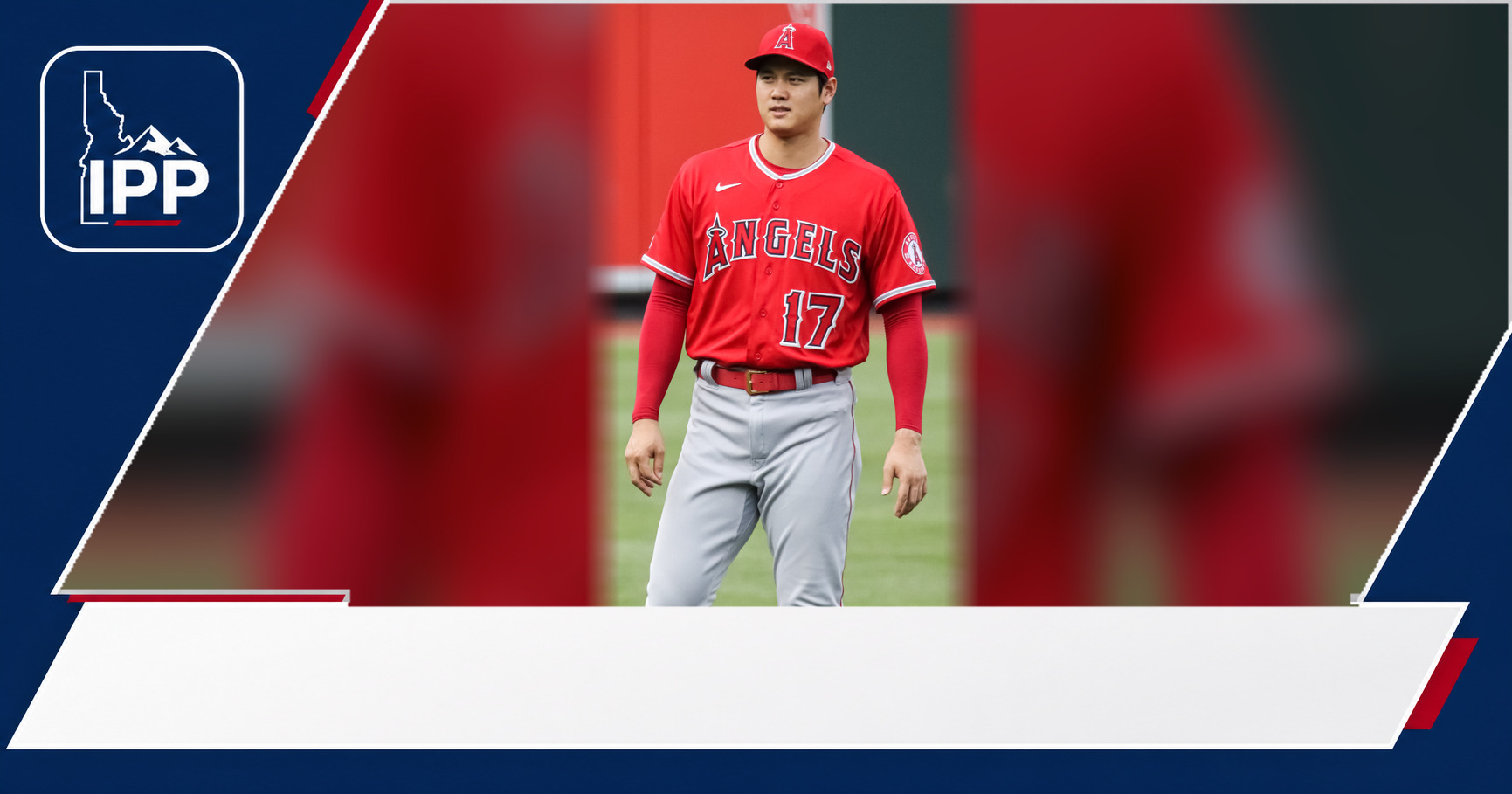
The case was never just about illegal betting. It exposed how one trusted interpreter could control access to the most famous player in baseball — and how long that control went unquestioned.
The betrayal of Shohei Ohtani is back in focus after ESPN released a new six-episode 30 for 30 podcast on July 28, 2026, retracing how the MLB superstar was robbed by former interpreter Ippei Mizuhara. The series revisits the March 2024 scandal that stunned baseball: millions stolen from Ohtani’s accounts, a gambling probe, and a trusted aide who prosecutors say impersonated him.
The podcast matters because it pushes past the first question many fans asked — how could Ohtani not know? — and into a more uncomfortable one: how did so many people around the sport’s biggest star allow one middleman to become the gatekeeper?
A scandal built on access
When the story first broke in March 2024, it landed like a baseball impossibility. Ohtani had just become the face of the Los Angeles Dodgers, a two-way global star with a $700 million contract and a carefully managed public life. Then came reports that money connected to his bank accounts had reached an illegal bookmaker.
The early confusion created a vacuum. Mizuhara initially gave an account suggesting Ohtani had helped cover gambling debts, then later reversed course. Federal prosecutors ultimately said Ohtani was the victim, not a participant, and that Mizuhara had stolen nearly $17 million from him.
That finding did not erase the disbelief. Ohtani is not an ordinary athlete. He has agents, accountants, lawyers, handlers and a major-league organization around him. Yet prosecutors described a scheme in which Mizuhara used his unusual access to Ohtani’s finances and communications to move money and hide what was happening.
That is where ESPN’s podcast, reported by Tisha Thompson, appears designed to sit: not as a simple recap of a gambling headline, but as a reconstruction of how personal trust became operational power.
Mizuhara’s role was unusually intimate
Interpreters in baseball often do more than translate words. For international stars, they can become scheduling aides, cultural buffers, media filters and emotional support. Mizuhara’s role with Ohtani was especially visible because Ohtani rarely spoke publicly in English and because their partnership had followed him from the Angels to the Dodgers.
For years, much of what English-speaking fans heard from Ohtani passed through Mizuhara. Press conferences, dugout exchanges and clubhouse interactions all reinforced the image of a trusted duo. That public closeness made the betrayal feel personal, not just financial.
According to the USA TODAY Sports account of the podcast, ESPN obtained or aired key material that shows the mechanics of the case, including bank recordings in which Mizuhara allegedly posed as Ohtani. The article also describes investigators reviewing nearly 40,000 texts between the two and finding no gambling discussion.
Those details are central because they explain why the federal case separated Ohtani from Mizuhara’s gambling. Prosecutors said Mizuhara exploited access; they did not charge Ohtani with wrongdoing.
The numbers changed the story
The scale of the theft is what turned the case from clubhouse drama into one of the largest sports scandals of the decade. Mizuhara was accused of stealing nearly $17 million from Ohtani, while his gambling losses and credit lines with bookmaker Mathew Bowyer painted a picture of a deepening spiral.
USA TODAY’s summary of the podcast highlights several striking allegations and reported details: a $60,000 dental payment episode, roughly $325,000 spent on high-end baseball cards, and credit extended by Bowyer that reportedly reached more than $40 million. Those are not side anecdotes. They show how stolen funds can be disguised, converted or rationalized once a person has access.
Mizuhara pleaded guilty in federal court to bank fraud and tax charges. He was sentenced to 57 months in prison and ordered to pay restitution. Bowyer, the bookmaker, was sentenced to 12 months and a day, according to the USA TODAY account.
The legal outcome answered the narrow question of criminal responsibility. The broader sports question remains messier: why did alarms not sound earlier, and who should have had direct lines to Ohtani when money questions arose?
Why Ohtani’s isolation mattered
The most revealing part of the scandal is not that a famous athlete trusted the wrong person. That happens. The more troubling point is that Ohtani’s communication structure made it possible for the wrong person to control too much.
If an agent, accountant or team official needed to reach Ohtani, Mizuhara could be in the middle. If a financial question surfaced, the answer could come through the same person later accused of stealing from him. In any business, that is a control failure. In MLB, it became a global embarrassment.
There is a fair counterpoint: athletes are adults, and elite players often prefer tight circles. Ohtani’s privacy has been part of his appeal. He has built a career by limiting distractions, avoiding drama and keeping public attention on performance.
But privacy and isolation are not the same thing. The podcast’s value, based on the details described by USA TODAY, is that it shows how a protective bubble can become a blind spot when only one person controls the door.
MLB escaped one crisis, not all of them
For MLB, the most important finding was that Ohtani was treated as a victim. A gambling scandal involving the sport’s most marketable player could have been catastrophic if investigators had tied him to betting. They did not.
Still, the episode arrived during a period when sports leagues are deeply entangled with gambling culture. Betting ads are everywhere. Odds are part of broadcasts. Fans are encouraged to think about games as financial propositions, even as athletes and team employees operate under strict rules.
Mizuhara was not an MLB player, but his proximity to Ohtani made the case feel like a league problem. It forced baseball to confront how much informal power can sit with interpreters, assistants and other trusted staffers who may not be scrutinized like executives or players.
That does not mean every interpreter should be viewed with suspicion. It does mean teams and agencies have reason to revisit safeguards: direct communication channels, independent translation for sensitive matters, financial verification protocols and clearer separation between personal help and financial access.
The unresolved human cost
The case is closed in court, but the human damage is harder to measure. Ohtani continued to play at an elite level, yet the scandal attached suspicion to him at the exact moment he was beginning the most scrutinized chapter of his MLB career with the Dodgers.
There is also the matter of reputation. For a player whose public image has been built on discipline, privacy and almost mythic focus, being dragged into a gambling investigation carried a cost even after prosecutors cleared him of wrongdoing.
ESPN’s podcast appears to revisit that tension with the benefit of time: the initial doubt, the legal record, the recordings, the texts and the strange dependence that let a translator become something closer to a gatekeeper. That is why the story still resonates two years later.
The betrayal of Ohtani was not only that money was stolen. It was that the person trusted to give him a voice in one world allegedly used that position to keep him in the dark in another.






Leave a Reply