
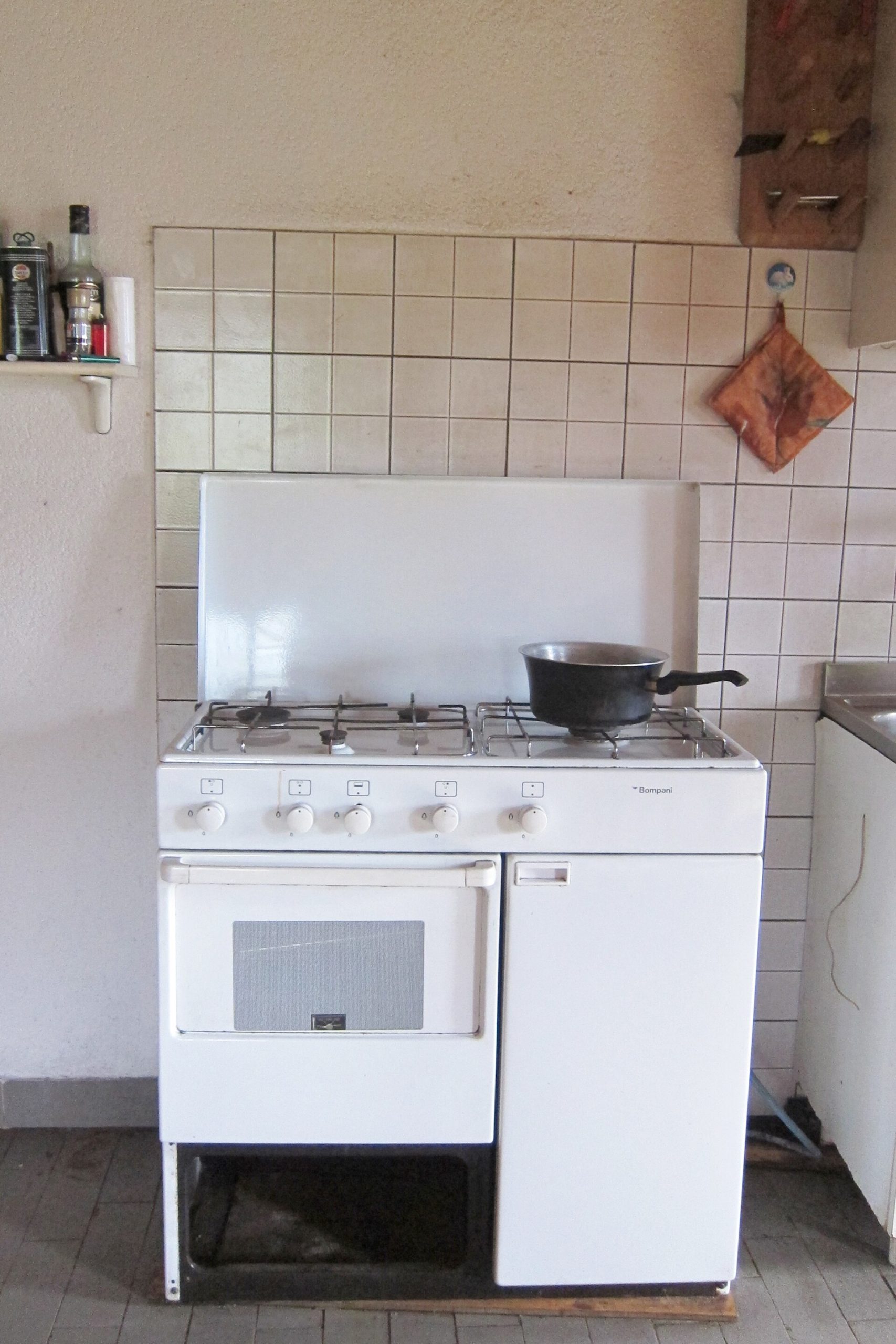
For asthma patients, the unfinished work offers a promising signal—not a settled answer—about whether replacing a common appliance can reduce attacks.
Families trying to manage asthma got an unusual kind of evidence: not a finished verdict, but an interrupted field test. According to The Washington Post, early results from research that used a federal grant to replace gas stoves for asthma patients showed what the Post described as a dramatic fall in asthma attacks.
The program was cut short after President Donald Trump took office, the Post reported. That leaves the clearest takeaway in a narrow but important place: the early signal was notable, but the study did not continue long enough to provide the fuller answer it was designed to seek.
The useful takeaway is also the caveat
The reported finding is easy to overread. Asthma attacks declined after gas stoves were replaced, according to the Post’s account of the early results. That does not, by itself, prove that the stove swaps caused the decline in every case.

Asthma can be affected by many factors, including ventilation, allergens, infections, medication changes and conditions inside a home. A longer or larger study can help separate the effect of one intervention from the noise of everyday life.
That is why the halt matters. The early data may point toward a real benefit, but the stopped program leaves less certainty than a completed study would have provided.
What changed inside the homes
The research was not only measuring pollution or asking families what they cooked with. It used federal grant money to pay for asthma patients to have gas stoves replaced, according to the Post.
That makes the finding more practical than a general warning about indoor air. The question was not simply whether gas stoves are associated with respiratory problems. It was whether changing the appliance in a real household could be followed by fewer asthma attacks.
The early results, as reported, suggest the answer may be yes for at least some patients. But because the work was cut short, the evidence remains incomplete.
Why researchers were looking at stoves
Gas stoves are indoor combustion devices. EPA-linked research summaries note that cooking with gas releases nitrogen dioxide and other pollutants into household air.
The EPA’s indoor-air materials also say fine particulate matter can be inhaled deep into the lungs and may decrease lung function or aggravate asthma. Its archived research database includes work describing gas cooking and household nitrogen dioxide as associated with increased asthma risk and severity in children.
The issue is not rare. A 2022 study available through PubMed Central reported that indoor gas stove use is associated with increased risk of current asthma among children and is present in about 35 percent of U.S. households. Another EPA-hosted abstract described gas cooking as used in at least one-third of U.S. households.
Those figures help explain why a stove-replacement test would attract attention. A common appliance, a common chronic disease in children and a potentially modifiable indoor exposure make the question unusually concrete.
What the interruption prevents us from knowing
The available reporting does not provide every detail needed to judge how broadly the early result should apply. Important questions include how participants were selected, how long they were followed, what replacement appliances were used and how asthma attacks were measured.
It also matters whether other changes happened at the same time, such as medication adjustments, ventilation improvements or shifts in household routines. Those details can change how researchers interpret a drop in attacks.
None of that makes the early finding meaningless. It means the result should be treated as a promising signal rather than a final answer.
What households can do now
No single unfinished study should make every household panic about a stove. Risk varies by health status, cooking habits, ventilation, the condition of the appliance and the people living in the home.
Still, the broader indoor-air guidance is practical. Public-health materials from Colorado note that gas stoves can release pollutants into homes and recommend steps such as using an exhaust fan while cooking when available, making sure it vents outdoors, maintaining the stove properly and not using a gas stove to heat a home.
Other measures can include increasing outdoor air when possible and using portable air cleaners to improve indoor air quality generally. For families dealing with asthma, those steps may be more immediately realistic than replacing an appliance.
For renters and lower-income households, replacement can be difficult or out of reach. That is part of why a federally funded stove-swap study mattered: it tested an intervention many families could not easily pay for on their own.
Why the unfinished result still matters
The Post reported the program was cut short after Trump took office. Based on the reported facts, that timing should not be converted into a stronger causal claim without more evidence about the decision-making behind the halt.
What can be said is narrower and still significant: an EPA-related effort examining a real-world asthma intervention ended before it could produce a fuller record.
For now, the story is not a sweeping verdict on every gas stove. It is a missed chance to learn more from a study whose early results, according to the Post, showed a dramatic decline in asthma attacks after replacements.










Leave a Reply