
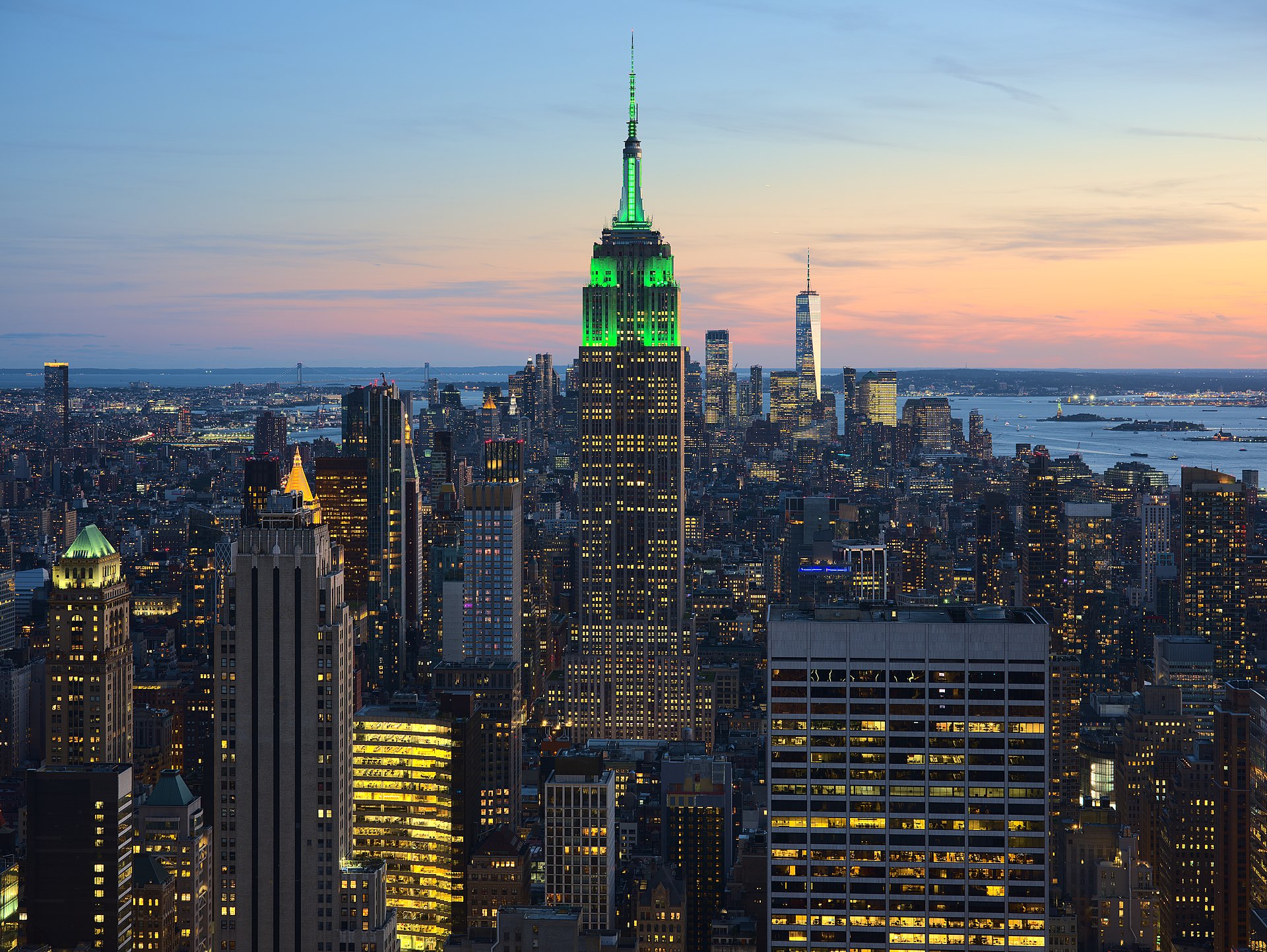
The tribute brought together Islam’s family, officers and city leaders as New York marked a year since the Park Avenue attack. It also renewed attention on the other victims and the lasting public trauma of the Midtown shooting.
The New York Police Department honored Detective Didarul Islam on July 28, 2026, one year after his death in a Manhattan mass shooting that also killed three other people. Family, fellow officers, Police Commissioner Jessica Tisch and Mayor Zohran Mamdani attended the tribute outside the Bronx’s 47th Precinct, where Islam had served.
Islam was killed while off duty, working extra hours as a security guard at a Park Avenue high-rise in Midtown. The remembrance mattered because it tied one officer’s sacrifice to a broader wound New York is still publicly naming.
A precinct becomes a memorial
The ceremony was held outside the 47th Precinct in the Bronx, the command where Islam worked before he was killed. That setting gave the tribute a personal weight: it was not staged at a distant civic landmark, but at the workplace where fellow officers knew him as a colleague.
USA Today reported that Islam’s family sat near the front, including his children. His wife had been pregnant at the time of his death, a detail that has followed the public memory of the shooting because it underscores the family life interrupted by the attack.
Police Commissioner Jessica Tisch told those gathered that they had come to the command he served to remember his devotion to his family and to the department. She said that one year later, Islam remained deeply missed by both.
For the NYPD, such ceremonies serve two purposes at once. They comfort a grieving family and they signal to the ranks that an officer’s death will not be absorbed quietly into the city’s long list of tragedies.
The moment city leaders emphasized
Mamdani described Islam’s actions in stark terms, saying that during what he called the worst mass shooting the city had seen in 25 years, Islam placed himself between an assault rifle and other New Yorkers so they could escape.
That account framed Islam not only as a victim of the attack, but as someone who acted in the seconds when others were trying to survive. The mayor called the courage involved unfathomable to most people.
The phrasing matters because public memorials often become the official story that endures. In Islam’s case, city leaders highlighted the choice he made at the building, rather than only the fact that he died there.
Islam, who was 36 and originally from Bangladesh, was promoted to detective after his death. A few weeks before the anniversary tribute, a street near his Bronx home was named Detective First Grade Didarul Islam Way, according to USA Today.
Four lives lost in Midtown
The anniversary ceremony centered on Islam, but the shooting killed four people in all. The three other victims were Wesley LePatner, a Blackstone employee; Aland Etienne, a security officer; and Julia Hyman, a Rudin Management employee.
Naming them matters because mass shootings can quickly collapse into shorthand: a neighborhood, a building, a police response, a motive. The victims’ lives and workplaces show the ordinary range of people who can be pulled into a public act of violence.
USA Today reported that the gunman was believed to have been targeting the National Football League office. That belief has been part of the public understanding of the attack, though the anniversary coverage focused less on the shooter and more on the people killed and those left behind.
The Park Avenue location also shaped the story. Midtown office towers are built around routine: security desks, elevator banks, workers moving through the day. The attack turned a familiar business setting into a site of mourning.
Why the Bronx tribute mattered
The Bronx tribute connected several parts of Islam’s life that might otherwise be remembered separately: his NYPD service, his family, his immigrant background, his neighborhood and the way he died while working a security job outside his regular police duties.
That complexity is part of why the ceremony resonated. Islam was not on a patrol assignment when he was killed, but he was still performing a protective role. The official remembrance treated that fact as central to his legacy.
The NYPD’s own public memorial materials describe how the department honors members who made the ultimate sacrifice, including annual recognition at the Hall of Heroes at One Police Plaza and at the Police Memorial Wall in Battery Park City. Those traditions place individual losses within a larger department memory.
For families, though, institutional remembrance can never be only institutional. A renamed street and a precinct ceremony are public markers of a private absence that continues long after cameras leave.
The politics of public grief
Police memorials in New York often carry layers of meaning beyond the ceremony itself. They can become moments of unity, but they also sit inside a city where policing, public safety, gun violence and political leadership are constantly debated.
At this tribute, the public message was intentionally narrow: honor Islam, support his family, recognize the officers who served with him, and remember the victims. That focus left little room for policy argument in the moment.
Still, the circumstances point to larger questions New York has not solved. Office security, access to high-profile corporate buildings, threats against public targets and the spread of mass shooting trauma all remain part of the city’s public safety conversation.
The ceremony did not answer those questions, and it was not designed to. Its work was remembrance: to make sure one year did not turn a vivid act of violence into a passing date on the calendar.
What remains after one year
One year later, the most concrete public markers are visible: a detective’s posthumous promotion, a street name near Islam’s Bronx home, and a precinct gathering where family members, officers and city officials stood together.
Less visible is the continuing grief carried by the families of Islam, LePatner, Etienne and Hyman. Anniversary ceremonies can gather that grief in public for a few hours, but they cannot contain it.
The tribute outside the 47th Precinct made one point clearly: New York’s memory of the Midtown shooting is not only about the gunman or the target investigators believe he had in mind. It is also about the people who were at work that day, the officer who moved toward danger, and the families still living with the cost.
That is why the anniversary mattered. It was a civic act of saying that the names, not just the crime scene, remain part of the city’s record.

Leave a Reply