
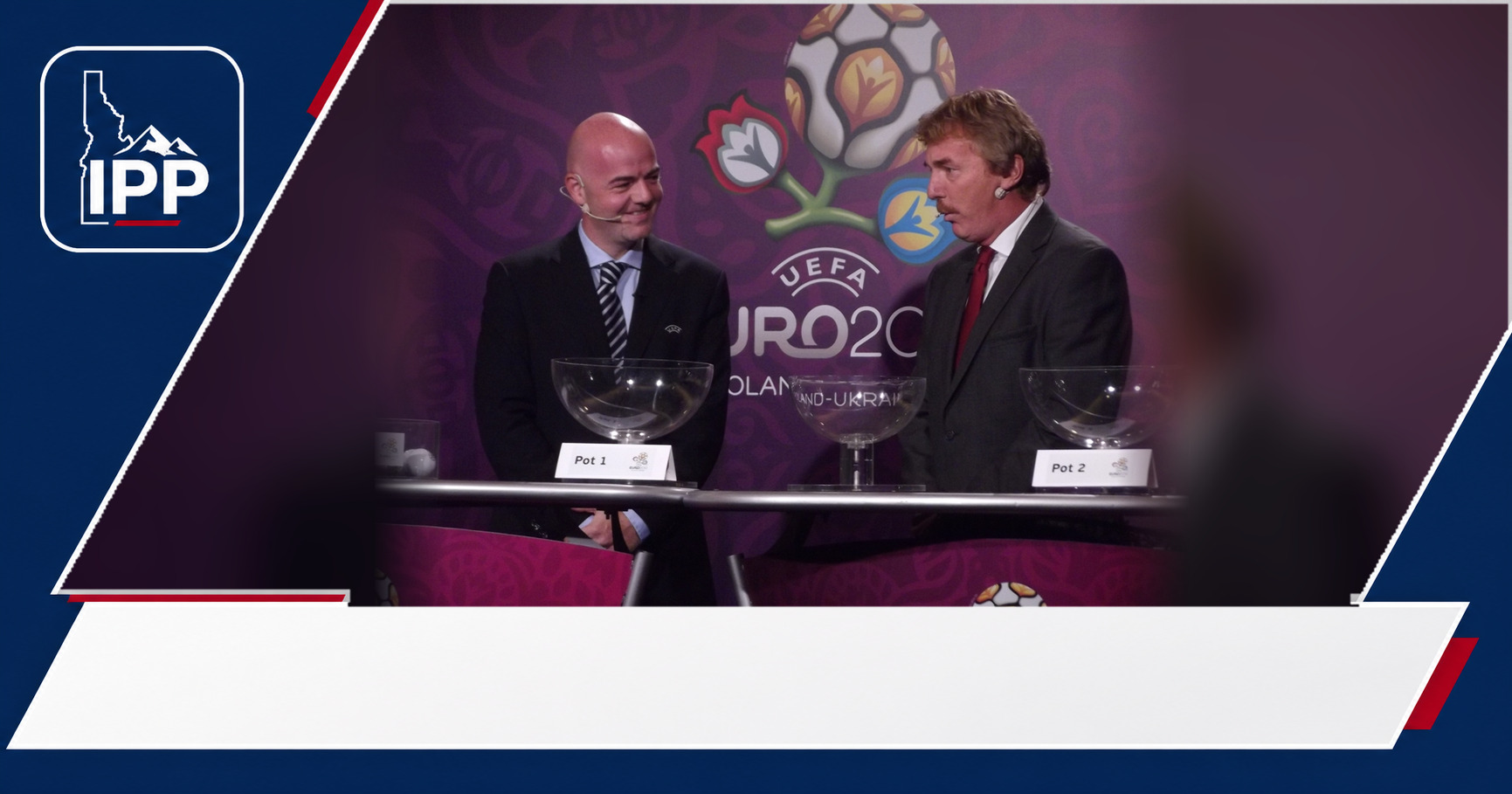
Norway’s demand is more than a symbolic rebuke: it adds a national federation’s call for immediate change to UEFA’s continuing no-confidence stance. The dispute has put FIFA’s decision-making, and Infantino’s re-election prospects, under sharper scrutiny.
The Norwegian Football Federation has called on Gianni Infantino to resign as FIFA president after Infantino’s plan to sell stakes in the World Cup failed. Norway’s federation says it has lost trust in the FIFA leader, turning an abandoned commercial proposal into a broader test of whether Europe’s soccer powers still have confidence in his leadership.
Federation president Lise Klaveness said Norway decided after a meeting Thursday that it would ask Infantino to step down immediately. The move matters because it adds a direct resignation demand to pressure already coming from UEFA and the English Football Association ahead of FIFA’s next presidential election.
Norway says trust is gone
Klaveness told the Guardian that the Norwegian federation no longer trusted Infantino and saw no route back for him. Her comments framed the decision as the result of persistent concern, rather than a reaction to one isolated controversy.
That distinction is central to Norway’s position. The federation is not merely objecting to the mechanics of the World Cup proposal; it is questioning the judgment and leadership behind it.
Norway has now made its view unusually explicit. National associations often voice concern through private meetings, voting blocs or carefully worded statements. Calling for the sitting FIFA president to leave immediately is a far more consequential public break.
The World Cup plan at issue
The immediate trigger was FIFA’s now-abandoned proposal to sell profits or stakes connected to the World Cup through a commercial subsidiary called the FIFA Forward Enterprise, or FFE.
FIFA has abandoned the plan and apologized, according to the Associated Press. But withdrawing it did not end the political fallout. For critics, the episode raised questions about how a core global soccer asset could be handled and whether FIFA’s member associations had enough confidence in the process.
The World Cup is FIFA’s most valuable competition and a major source of revenue for the organization’s football-development work. That makes any plan involving its future commercial proceeds especially sensitive, even before considering the debate over outside investment or ownership structures.
FIFA’s reversal can be read two ways. Supporters could view it as a correction after member concerns were heard. Norway and other European critics, however, appear to see the proposal itself as evidence of a deeper problem that an apology cannot resolve.
European pressure has not eased
UEFA, European soccer’s governing body, said its threat to boycott the World Cup and other FIFA competitions remained in place even after FIFA dropped the proposal. UEFA also reiterated that it had lost confidence in Infantino.
That leaves a considerable gap between FIFA’s effort to close the dispute and the response from important European stakeholders. A plan can be withdrawn quickly; repairing trust between institutions is typically slower and harder.
The English Football Association has also withdrawn its support for Infantino’s re-election next March. Taken together with Norway’s demand, that does not determine the outcome of a FIFA election, but it does show that discontent is no longer confined to behind-the-scenes criticism.
Europe’s influence is substantial because of its leading national teams, domestic leagues, clubs and commercial importance. Still, FIFA is a global organization with a far wider membership than UEFA alone, so European opposition should not automatically be treated as a verdict from the entire game.
FIFA points to internal backing
Infantino appeared to head off the prospect of an internal revolt at a summit with senior staff in Rabat, Morocco, earlier in the week. FIFA said afterward that those attending had given the president their full support.
That claim illustrates the split in the current picture. FIFA is presenting support from its internal leadership circle, while UEFA, Norway and England are publicly signaling a loss of confidence from prominent associations.
Neither position answers every question. FIFA has not, in the material reported by the AP, laid out a detailed public case for why the FFE proposal was appropriate before it was abandoned. Critics, meanwhile, have not shown that their opposition has yet formed the broad international coalition needed to force a leadership change.
The conflict is therefore not settled by the failure of the World Cup plan. It has moved into a contest over credibility, alliances and what member federations expect from FIFA’s president.
Norway plans a wider ethics complaint
Norwegian broadcaster NRK reported that the national federation also intends to file a new complaint with FIFA’s ethics committee. The complaint is expected to include the FFE matter, the peace prize awarded to Donald Trump and the suspension of Folarin Balogun’s one-match World Cup ban.
Those issues should be kept distinct from one another. The reported complaint has not itself established wrongdoing, and an ethics process would need to assess any allegations under FIFA’s rules. Still, Norway’s decision to include several matters signals that its concerns extend beyond the failed World Cup transaction.
Klaveness said “extraordinary measures” were needed to create lasting change. That language suggests Norway is seeking institutional accountability, not simply a statement of regret over the commercial plan.
The next test is political
The most immediate question is whether Norway’s call prompts more member associations to take a clear public position. UEFA’s ongoing stance and England’s withdrawal of re-election support create pressure, but FIFA’s presidency is decided by a global membership with different interests and priorities.
Infantino has not stepped down, and FIFA has said he retains support from those at the Rabat summit. The organization’s response to any Norwegian ethics complaint, and whether it offers a fuller accounting of the FFE proposal, may shape the next phase of the dispute.
For now, the failed World Cup stake plan has become a proxy for a larger argument: whether FIFA’s leadership can restore confidence after a proposal it has already had to abandon. Norway’s intervention ensures that argument will remain in public view.







Leave a Reply