

Murkowski joins Sen. Susan Collins in opposing Blanche, turning a nomination once expected to rely on a narrow Republican margin into a sharper test of Senate independence and Justice Department oversight.
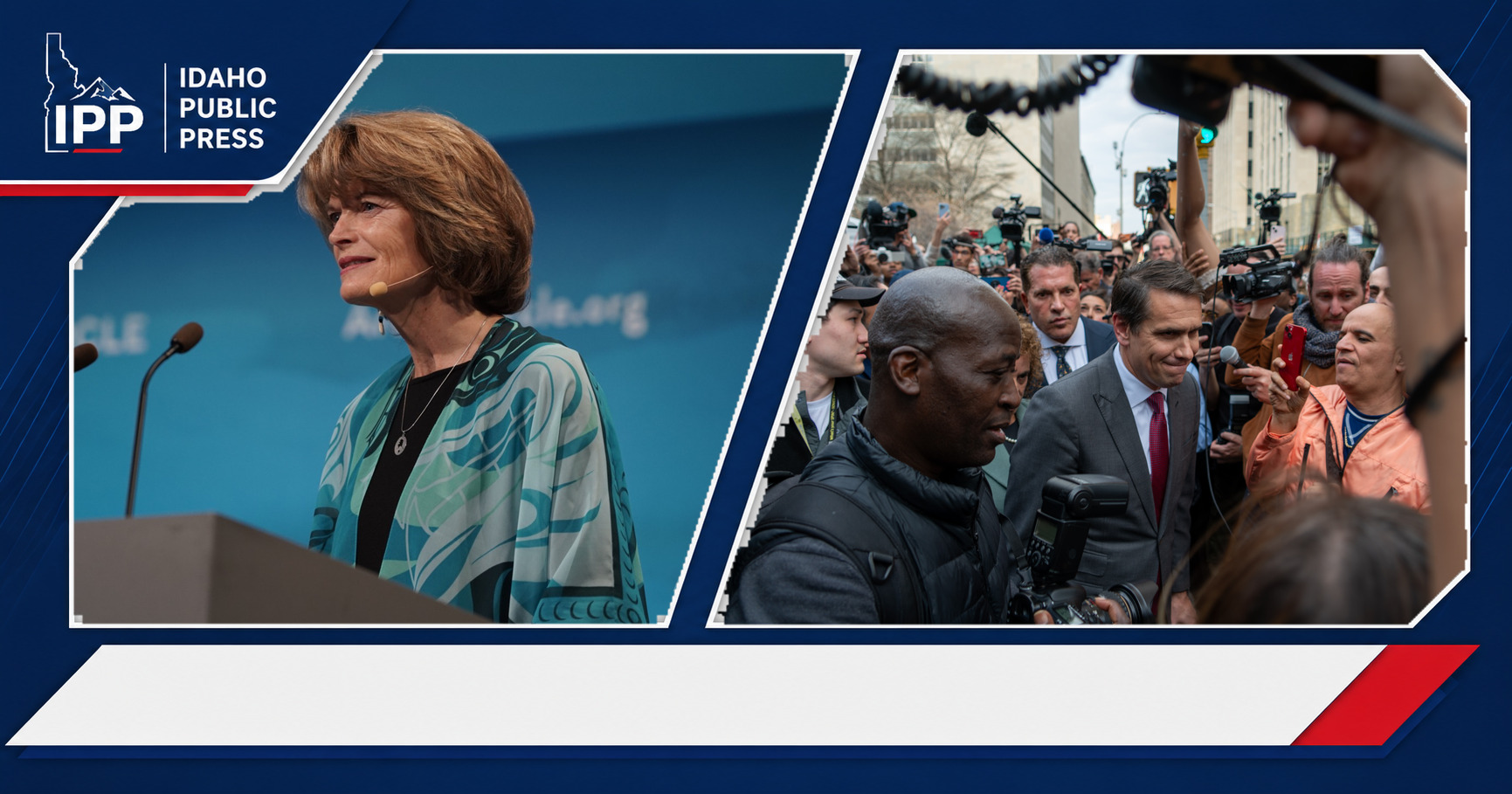
Todd Blanche has lost key Republican support for his attorney general nomination after Alaska Sen. Lisa Murkowski said Friday she will oppose President Donald Trump’s pick to lead the Justice Department. Murkowski’s decision, alongside Republican Sen. Susan Collins’ earlier opposition, puts Blanche’s U.S. Senate confirmation in doubt and raises fresh questions in Washington, DC, about political influence over federal law enforcement.
Trump nominated Blanche, his former personal defense attorney and the acting attorney general, to run the department permanently. Murkowski says she cannot support him because she lacks confidence he would check what she called the administration’s worst impulses.
Murkowski centers her case on DOJ independence
Murkowski’s argument is not primarily about Blanche’s legal résumé. It is about the role an attorney general should play when the president who nominated him has repeatedly described federal investigations and prosecutions in political terms.
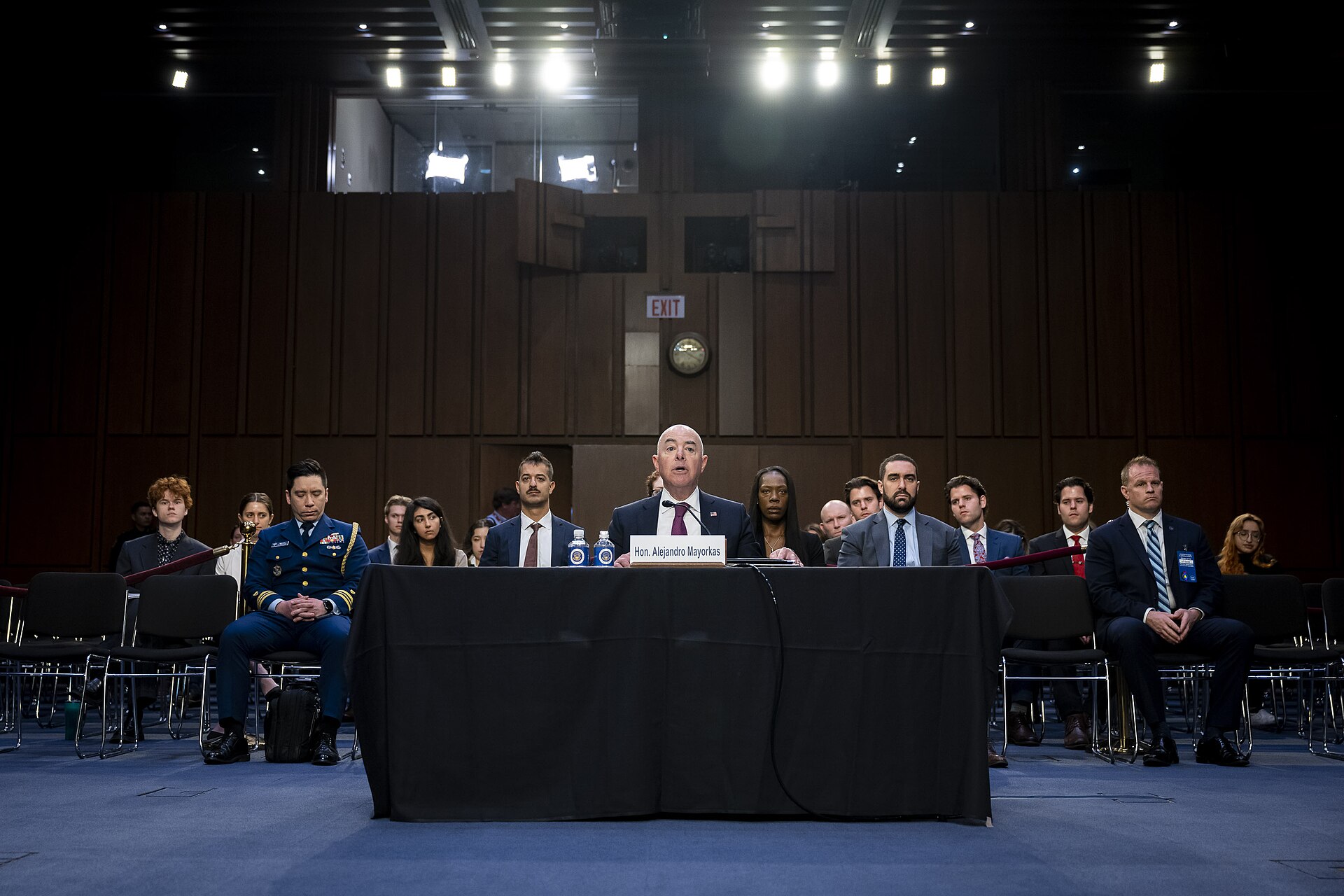
In her statement, the Alaska Republican said politicization and “weaponization” of the Justice Department did not begin under the current administration, but had accelerated during it. She said the country needs an attorney general willing to act as a check, rather than simply carry out the White House’s preferred approach.
That distinction matters because the attorney general occupies a uniquely sensitive position. The office leads the Justice Department, oversees federal prosecutors and the FBI, and makes consequential decisions about investigations, enforcement priorities and government litigation.
Presidents are entitled to select leaders who share their policy views. Critics of Blanche’s nomination, however, argue that an attorney general must preserve a boundary between a president’s political interests and the Justice Department’s legal work. Murkowski’s opposition puts that concern at the center of the confirmation fight.
Blanche’s ties to Trump draw scrutiny
Blanche’s close association with Trump is central to the unease among some Senate Republicans. Before joining the administration, he served as Trump’s personal defense attorney, a background that gives the president a nominee he knows well and trusts.
Supporters can reasonably see that experience differently. A president often chooses cabinet officials with proven loyalty, and Blanche’s defenders may argue that his legal work and current experience as acting attorney general give him direct familiarity with the department he has been asked to lead.
But for Murkowski and Collins, familiarity is not the only test. Their concern is whether Blanche would be willing to resist the president when a legal or institutional issue demands it.
The confirmation debate therefore reaches beyond one nominee. It asks how much distance, if any, Senate Republicans expect between Trump and the person responsible for the federal government’s most powerful law-enforcement institution.
The anti-weaponization fund became a flashpoint
Murkowski also cited disputes that unfolded while Blanche was leading the department on an acting basis. Among the most contentious was a proposed anti-weaponization fund connected to a settlement between Trump and the government.
The fund was expected to approach $2 billion and was designed to compensate people who claimed they had been targeted unfairly by the government. Critics, including Murkowski, worried that it could benefit people prosecuted for their conduct in the Jan. 6, 2021, attack on the U.S. Capitol.
Blanche previously said he would walk back the fund after criticism from Republican senators during his confirmation process. Trump and Blanche have said neither the president nor his family could benefit from it. Still, the episode gave skeptical senators a concrete example of the concern that government power could be used or structured in ways that blur public policy and personal political grievance.
Murkowski also pointed to the administration’s handling of material connected to Jeffrey Epstein. The details of how those disputes will affect individual votes remain uncertain, but they have broadened the case against Blanche beyond his personal history with Trump.
Senate math leaves little room for error
Republicans hold 53 seats in the 100-member Senate, according to accounts of the current confirmation fight. That would normally give Trump a workable cushion, but two Republican no votes quickly make the margin thinner.
Collins, of Maine, said this week that she would not support Blanche. Murkowski’s announcement means the White House cannot assume that party control alone will secure confirmation.
Kentucky Sen. Mitch McConnell has been absent because of illness, adding uncertainty to the immediate vote count. Louisiana Sen. Bill Cassidy, who lost his Republican primary after Trump backed a challenger, had not publicly said whether he would support Blanche.
The exact threshold can depend on attendance and Senate procedure, but the broader reality is straightforward: Blanche’s path now depends on holding nearly every remaining Republican vote or finding support elsewhere. A nomination that once looked like a test of party unity has become a test of whether dissent will spread.
What Blanche still needs to prove
Blanche’s nomination is not necessarily finished. The administration can make the case that he has already served as acting attorney general, understands the department’s operations and has responded to concerns about the anti-weaponization fund.
Yet Murkowski’s statement sets a demanding standard for the remaining undecided senators. It is not enough for Blanche to promise competent management. He may need to persuade them that he would protect the department’s credibility when its work conflicts with the president’s political interests.
That is a difficult promise to evaluate in advance, particularly for a nominee whose connection to Trump is part of his appeal to the White House and part of the concern among his critics. The Senate’s next moves, including the timing of a final vote and Cassidy’s position, remain unclear.
For now, Murkowski’s no vote has changed the nature of the debate. The question is no longer simply whether Trump can install a trusted lawyer at the Justice Department. It is whether enough Republicans believe Blanche can be both trusted by Trump and independent enough to lead the department credibly.




Leave a Reply