

Murkowski’s decision puts renewed focus on whether Todd Blanche can assemble enough Senate support to lead the Department of Justice. The public record shows his nomination is already on the Senate calendar, but the final vote and its timing remain uncertain.
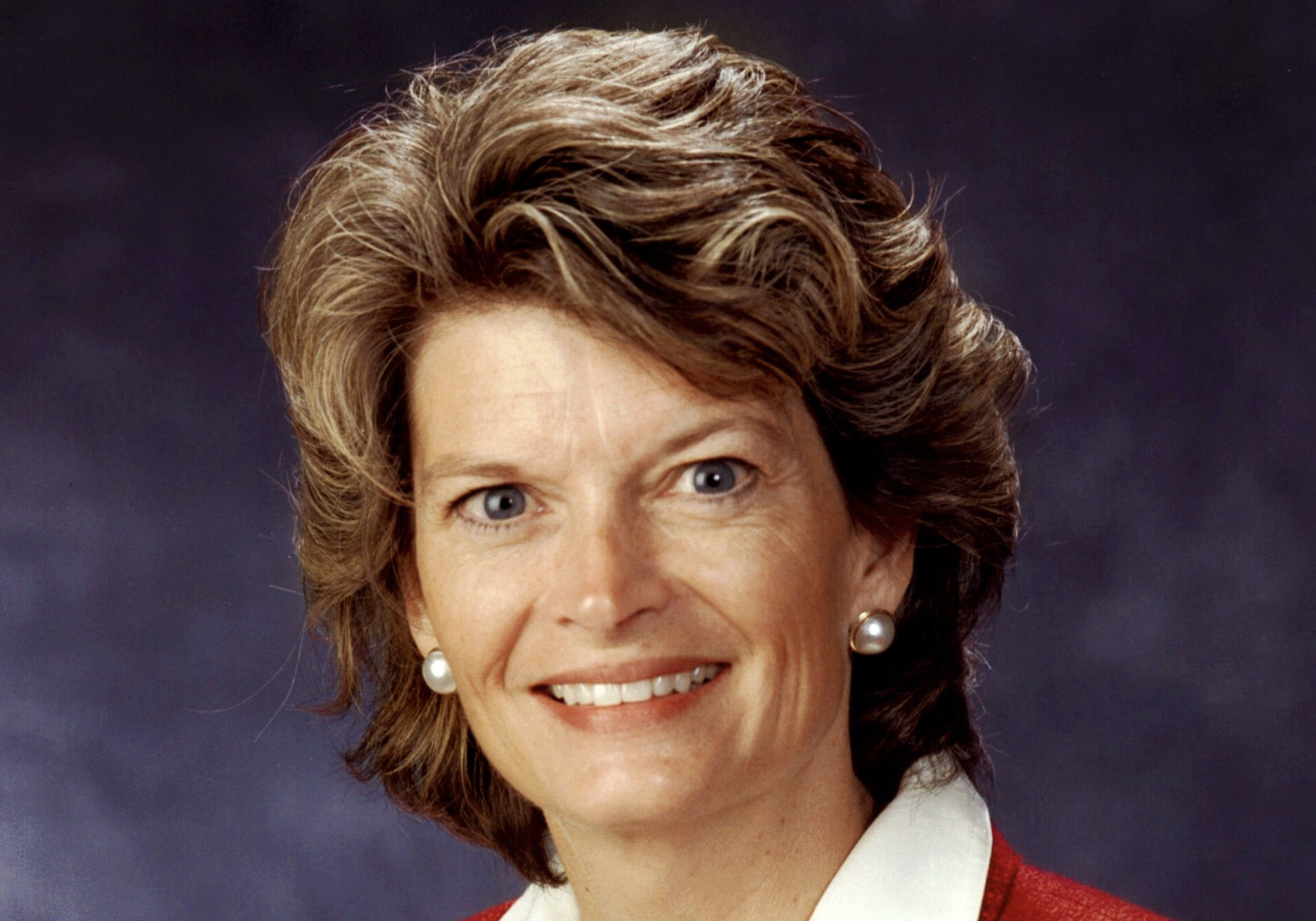
Alaska Republican Sen. Lisa Murkowski decided to oppose Todd Blanche’s nomination for attorney general, saying she still has serious concerns after meeting with him. Blanche’s confirmation as attorney general is in jeopardy, with the U.S. Senate considering President Trump’s pick to lead the Department of Justice and, as Murkowski put it, “no telling what the future holds.”
The decision matters because the nomination has moved beyond committee review and into the Senate’s formal consideration process. Murkowski’s break with her party does not settle the outcome, but it raises the cost of any additional defections and shifts attention to the concerns she says Blanche has not resolved.
Murkowski’s no changes the calculation
Murkowski said she had “constructive meetings” with Blanche, according to the Wall Street Journal, but concluded that she could not support him for the country’s top law-enforcement job.

Her stated concerns centered on what she sees as the politicization of the Justice Department during the Trump administration. She also cited Blanche’s handling of the release of files related to Jeffrey Epstein, the convicted sex offender.
The Alaska senator is a Republican who has at times taken positions at odds with her party. That history makes her opposition notable, but the immediate importance is procedural as well as political: a close nomination can turn on a small number of senators.
The Wall Street Journal described Murkowski as the second Republican set to oppose Blanche, leaving the confirmation down to the wire. The available reporting does not establish a final whip count or identify every senator whose vote remains in question.
The Senate has already started moving
Congress.gov lists Blanche’s nomination as PN1078, formally naming him to be attorney general at the Department of Justice, succeeding Pamela Bondi. The president sent the nomination to the Senate on June 8, 2026.
The Senate Judiciary Committee held hearings on July 15 and July 16, then ordered the nomination reported favorably on August 4. It was placed on the Senate Executive Calendar the same day.
On August 5, the Senate agreed by voice vote to move into executive session to consider the nomination. A cloture motion was also presented, a procedural step associated with limiting debate and advancing toward a vote.
Those entries show that Blanche’s nomination is active, not stalled in committee. They do not show that the Senate has held a final confirmation vote, nor do they reveal how individual senators will vote when one occurs.
Why the Justice Department role matters
The attorney general leads the Justice Department, which oversees federal law enforcement, represents the United States in many legal matters and sets major enforcement priorities. The office carries unusual weight because its independence is often tested by cases involving political figures, sensitive investigations and executive-branch interests.
That is why Murkowski’s stated concern about politicization goes beyond a personal disagreement with a nominee. It frames the fight around a recurring question for any administration: how much confidence can the Senate place in a nominee’s willingness to keep prosecutorial and investigative decisions separate from political demands?
Supporters of a president’s nominee may argue that elections give an administration a mandate to choose officials who share its legal and policy priorities. Critics counter that the attorney general must be prepared to resist pressure when legal obligations point elsewhere.
The confirmation process does not require senators to agree on every policy matter. It does force them to decide whether a nominee has cleared their threshold for independence, judgment and stewardship of an institution with broad power over Americans’ lives.
Blanche faces questions beyond credentials
The public material available here does not provide a detailed account of Blanche’s response to Murkowski’s objections. That distinction matters: a senator’s reasons for voting no are not the same thing as an established finding about a nominee’s conduct.
Still, Murkowski’s comments put two issues squarely into the Senate debate. One is the appropriate relationship between the White House and the Justice Department. The other is how the department should handle public disclosure in cases that have generated extraordinary public attention, including matters connected to Epstein.
These issues can draw very different reactions. Some senators may see them as evidence that tougher commitments or fuller explanations are needed. Others may regard them as disagreements over approach that do not outweigh the case for confirming the president’s choice.
What remains unclear is whether Blanche can answer those concerns in a way that changes votes, or whether the Senate’s existing divisions have already hardened.
Every remaining vote now carries weight
Murkowski’s announcement does not itself defeat the nomination. A final result depends on Senate attendance, party unity, any additional opposition and the timing of the vote.
It does, however, narrow the margin for error for Blanche’s supporters. In a close confirmation, a senator who publicly announces opposition can encourage closer scrutiny from colleagues who have not yet declared themselves, while also increasing pressure on party leaders to secure commitments.
The next concrete sign will come from Senate action: whether leaders schedule a cloture vote, whether that procedural effort succeeds and whether the chamber proceeds to final confirmation. Congress.gov’s latest listed action is the August 5 cloture motion, not a final disposition.
For now, the central fact is straightforward. Murkowski has chosen to oppose Blanche, and her concerns have turned an already consequential nomination into a sharper test of Senate confidence in the next attorney general and the Justice Department he would lead.






Leave a Reply