
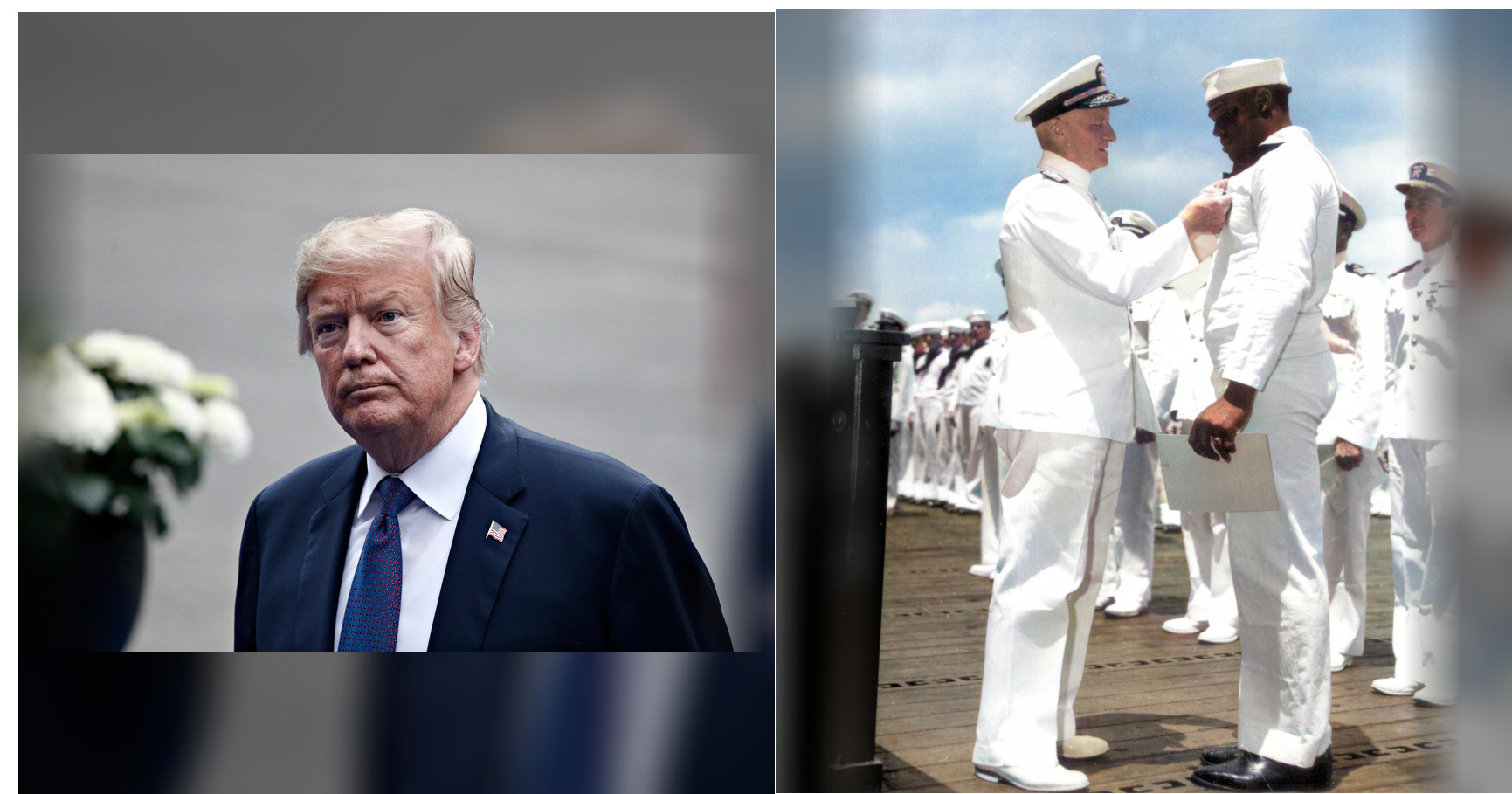
The reported deliberations would revisit a 2020 Navy announcement honoring Miller, whose actions during the attack on Pearl Harbor made him one of the service’s most celebrated enlisted sailors. No final name has been announced, but the decision carries historical, political and symbolic weight.
The U.S. Navy may name a new aircraft carrier after Donald Trump, with reports saying the carrier may be named after Trump instead of World War II hero Doris “Dorie” Miller. The ship is currently known as CVN-81, and the reported discussions surfaced Aug. 20, 2026, reopening a decision the Navy announced in 2020.
The stakes reach back to Pearl Harbor on Dec. 7, 1941, when Miller helped wounded sailors and fired an anti-aircraft gun during Japan’s attack. The Navy has not publicly confirmed a change, but reports from CNN and NBC News say leaders have discussed the name for months as construction moves toward a key milestone.
CVN-81 has no settled public name
CVN-81 is a future Gerald R. Ford-class aircraft carrier under construction. During Donald Trump’s first term, the Navy announced that it would be named USS Doris Miller, a choice presented at the time as the first aircraft carrier named for an African American.
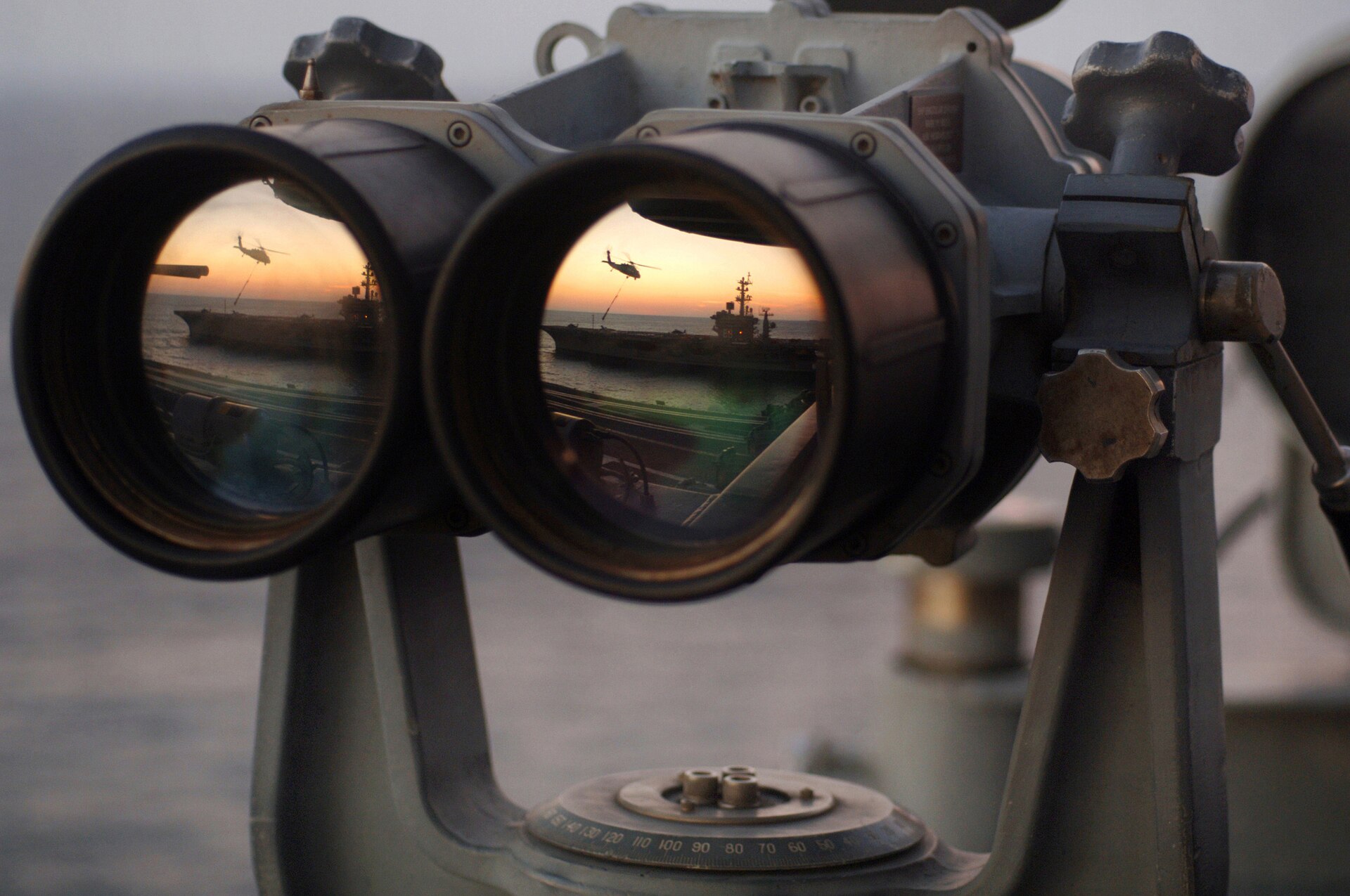
That designation now appears to be under review. CNN, citing three people familiar with internal discussions, reported that the final name remained unclear but that conversations had included renaming the vessel for Trump. NBC News, citing two U.S. officials, separately reported that Navy leaders were considering the Trump name.
Those accounts describe internal deliberations, not a formal naming announcement. USA Today reported that it sought comment from the White House and Navy, while a Pentagon spokesperson declined to comment.
One source cited by CNN said the Navy had effectively stopped referring to the carrier internally as USS Doris Miller and was using its hull number, CVN-81. A White House executive order on shipbuilding also referred to the vessel as CVN-81 rather than by a commissioned name.
A rare question around a sitting president
Naming an aircraft carrier after Trump while he is serving as president would be unprecedented, according to CNN’s reporting. The Navy has named carriers for presidents before, including the Gerald R. Ford, but the reported possibility concerns an active president and a ship whose previously announced namesake carries a distinctly different kind of military legacy.
That is why the issue is likely to draw attention beyond the Navy’s usual ship-naming process. A carrier name lasts for decades, appears on uniforms and deployments, and becomes part of the public record of how the country honors service, leadership and national memory.
Supporters of naming a carrier for Trump could view it as recognition of a president’s role as commander in chief and of his defense priorities. Critics are likely to focus on the timing, the precedent of honoring a sitting president and the prospect of withdrawing an honor that had been framed as overdue recognition for Miller.
Neither side yet has a final decision to react to. The publicly established fact is narrower: the Navy announced the Miller name in 2020, and news organizations now report that the designation may be reconsidered.
Miller’s actions at Pearl Harbor
Doris Miller was a mess attendant second class aboard the battleship USS West Virginia when Japanese forces attacked Pearl Harbor. He had been collecting laundry that morning when bombs began falling.
According to the account cited by USA Today, Miller went to the damaged ship’s smoking deck, took control of an anti-aircraft gun despite having no training on it, and fired at Japanese aircraft. He was credited with downing at least one plane and also helped move wounded sailors to safety.
His conduct was remarkable in part because Black sailors then faced entrenched discrimination and were largely limited to support roles. At the 2020 naming announcement, then-acting Navy Secretary Thomas B. Modly said Miller had not received the same opportunities as sailors of other races but showed initiative and commitment under attack.
Miller received the Navy Cross in 1942, becoming its first Black recipient. He also received the Purple Heart and other World War II service medals. The Waco, Texas, native died in 1943 during a Japanese torpedo attack in the Pacific.
The 2020 promise carried symbolism
The Navy’s 2020 decision did more than attach Miller’s name to a future ship. Officials described the planned carrier as a tribute to enlisted personnel of every race, religion and background, while recognizing a sailor whose service was long undervalued.
The expected USS Doris Miller would have been especially significant because aircraft carriers are among the military’s largest and most visible assets. Ford-class carriers are intended for major combat operations, crisis response and humanitarian missions, giving the name repeated prominence for generations.
Miller has previously been honored by the Navy. The USS Miller, a Knox-class frigate, bore his name. But placing his name on a carrier would have elevated that recognition substantially and made him the first African American namesake of a U.S. aircraft carrier.
CNN also reported that the Navy plans to name another warship for Miller and is recommending him for the Medal of Honor. NBC News reported that the White House had not approved that commendation. Those reports suggest that recognition of Miller remains part of the discussion even if CVN-81 receives another name.
The schedule may force a decision
The carrier is expected to remain under construction until 2034, but the naming question may not sit unresolved for long. CNN reported that a keel-laying ceremony is expected by the end of 2026, creating pressure to settle the ship’s identity.
The immediate unanswered questions are who has final authority over the name, whether Trump is the preferred choice or one option among several, and what formal notice the Navy will provide if it reverses the 2020 announcement. It is also unclear whether Congress will weigh in, particularly given Miller’s long-standing support among some lawmakers and military-history advocates.
For now, CVN-81 is the only certain label. The final decision will determine whether the Navy preserves its planned tribute to a Pearl Harbor sailor whose bravery challenged the limits imposed on him, or gives one of its future flagships the name of the sitting president.
Why the naming debate matters
Military ship names are not merely ceremonial. They signal whom the nation chooses to remember and what kind of service it chooses to elevate. That makes this a debate about more than Donald Trump or Doris Miller as individuals.
A Trump designation would place a sitting president’s name on a future carrier. Retaining the Miller name would fulfill a previous Navy pledge centered on valor, enlisted service and racial inclusion. Either route will carry consequences for the Navy’s historical narrative long after CVN-81 enters the fleet.
Until the Navy speaks publicly, reports of internal discussions should be treated as just that: a possible change, not a completed one. The next official announcement will decide whether CVN-81 becomes USS Doris Miller, USS Donald Trump, or carries another name entirely.








Leave a Reply