

Data centers promise investment and jobs, but their growing power and water needs are turning an economic-development race into a local political test. Texas and Pennsylvania show how the terms of that race are changing.
Politicians who once supported data centers are now criticizing or restricting them, revealing a sharp shift from promoting data-center development to opposing it over concerns about electricity and water use. In Texas, Gov. Greg Abbott announced a $40 billion Google investment in November, then said less than a year later that he had halted approvals for some 1,800 new data centers worth billions.
Abbott’s move puts Texas at the center of a broader argument playing out in Pennsylvania and New York, where leaders including Gov. Josh Shapiro and Gov. Kathy Hochul face pressure to balance AI-era investment against utility bills, water supplies and local consent. President Donald Trump has defended data centers as an economic engine, underscoring the political divide.
From AI boom to local backlash
For governors and mayors, data centers once looked like an unusually clean economic-development pitch. The facilities can bring large capital investments, construction work and a high-profile connection to the technology economy without the pollution associated with many older industrial projects.
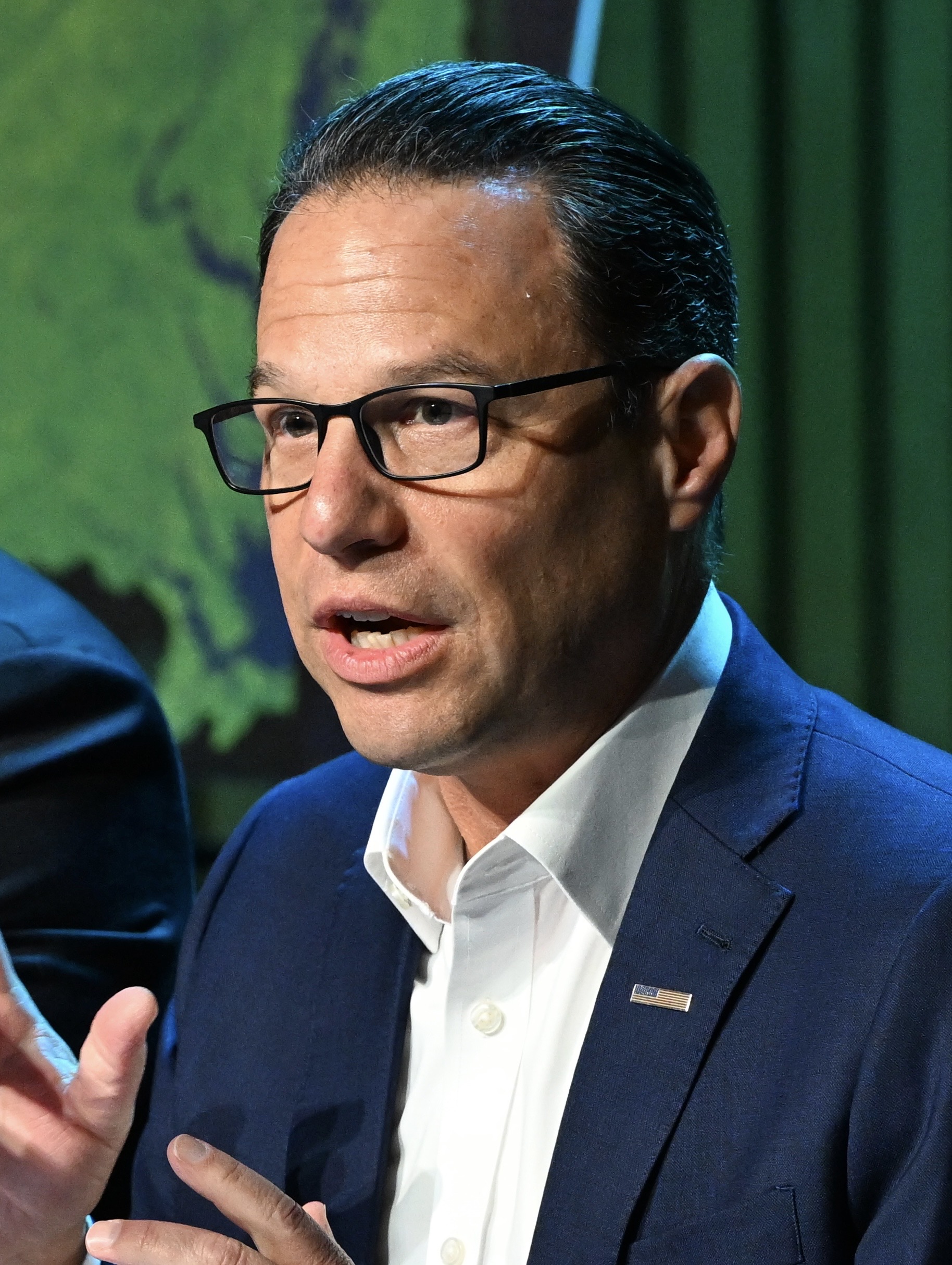
That appeal has not disappeared. Abbott described Texas as the “epicenter of AI development” when Google’s $40 billion investment was announced, according to the Wall Street Journal. Trump’s defense of the facilities reflects the same view: data centers can help the U.S. compete for AI infrastructure and attract corporate spending.
But the selling point is colliding with a more immediate question for nearby residents: what does a massive, always-on computing campus require from the community around it?
Power demand is central to that question. Large facilities need dependable electricity around the clock, and communities worry that new demand may require expensive grid upgrades or contribute to higher rates. Water use, especially for cooling, adds another concern in places already watching their supplies closely.
Abbott’s reversal carries weight
Texas is a consequential place for this debate because it has pursued technology investment aggressively and operates an electricity system that has faced intense scrutiny over reliability. A rapid buildup of power-hungry facilities raises a difficult policy challenge: how quickly can development proceed without putting unacceptable strain on infrastructure?
According to the Journal, Abbott said he halted approvals for about 1,800 proposed data centers because of concerns over their power and water needs. The report did not detail which projects were affected, how long the halt would last or what standards would determine whether projects move forward.
Those unanswered details matter. A pause can be a temporary reset while officials develop rules, or it can signal a tougher long-term threshold for projects that once expected a smoother path through state and local approvals.
The political significance is larger than one governor’s decision. When a leader who publicly celebrated a major AI investment later restricts related development, it shows that enthusiasm for the sector no longer guarantees approval for every proposed facility.
Pennsylvania demands enforceable promises
Shapiro’s approach offers a different model: development is not being rejected outright, but it is being tied to conditions. Pennsylvania’s Executive Order 2026-05 requires proposed data centers seeking state permits to comply with the administration’s Responsible Infrastructure Development, or GRID, requirements.
The state says developers must make legally binding commitments on energy affordability, community engagement, workforce and economic development, transparency and environmental protection. Pennsylvania’s Department of Environmental Protection is directed to evaluate permit applications under a new process that places greater weight on local approvals.
The order also removes AI data-center projects from the state’s Permit Fast Track Program and says they will not be considered for that program going forward. The administration has also said nondisclosure agreements are not permissible for data-center projects, a notable response to residents who argue they need clearer information before projects are approved.
Shapiro framed the policy as a test of corporate responsibility, saying companies seeking to build must meet strict requirements and secure support from the community where they want to locate. Supporters will see that as a practical way to preserve investment while protecting residents; developers may see more process, delay and uncertainty.
The costs are intensely local
The fight over data centers can sound abstract when discussed as AI policy, but the impacts are usually argued parcel by parcel. Residents want to know whether a project will change traffic, noise, land values, water availability or the price and reliability of electricity.
Local governments also have an uneven bargaining position. A large company may offer tax revenue, construction jobs or infrastructure improvements, but a community may still question whether the long-term public benefit matches tax incentives, land use and utility demands.
That is why the current debate is not simply pro-data center versus anti-data center. Many critics are asking for stronger conditions: meaningful public notice, enforceable environmental commitments, transparent utility planning and proof that local ratepayers will not subsidize private computing demand.
Industry advocates make a competing case. They argue that slowing projects could push investment, technical talent and associated business activity to other states or countries. They also contend that clear, predictable rules are preferable to ad hoc political reversals after companies have begun planning major investments.
New York faces the same tension
New York is part of the same national policy conversation because it must weigh ambitious technology and economic goals against electricity-system constraints and environmental commitments. Hochul, like other governors, faces a broader question that does not have a simple partisan answer: how should a state welcome high-value digital infrastructure without shifting its costs onto residents?
The answer may differ by region. A facility proposed near abundant power generation, robust transmission and adequate water may present a different case from one planned for an area where the grid is already constrained. That makes blanket promises—either to approve every project quickly or to stop development entirely—harder to sustain.
It also helps explain why the politics can change quickly. The benefits of a headline investment are visible at announcement time. The details of water, grid connections, permits and local opposition emerge later, often when residents begin studying a specific proposal.
AI growth now needs public terms
The emerging policy direction is not necessarily a retreat from AI. It is a demand that AI infrastructure meet conditions that politicians once may have treated as secondary to landing investment.
For companies, the message is that a large dollar figure alone may no longer win public support. Developers increasingly need credible plans for electricity procurement, water management, local engagement, workforce benefits and transparent permitting.
For elected officials, the harder task is avoiding two failures at once: allowing projects to impose unplanned local costs, while creating rules so uncertain that legitimate investment cannot move forward. Abbott’s halt and Shapiro’s guardrails show that the next phase of the data-center boom will be fought less over whether AI is coming and more over the public terms under which it is built.










Leave a Reply