
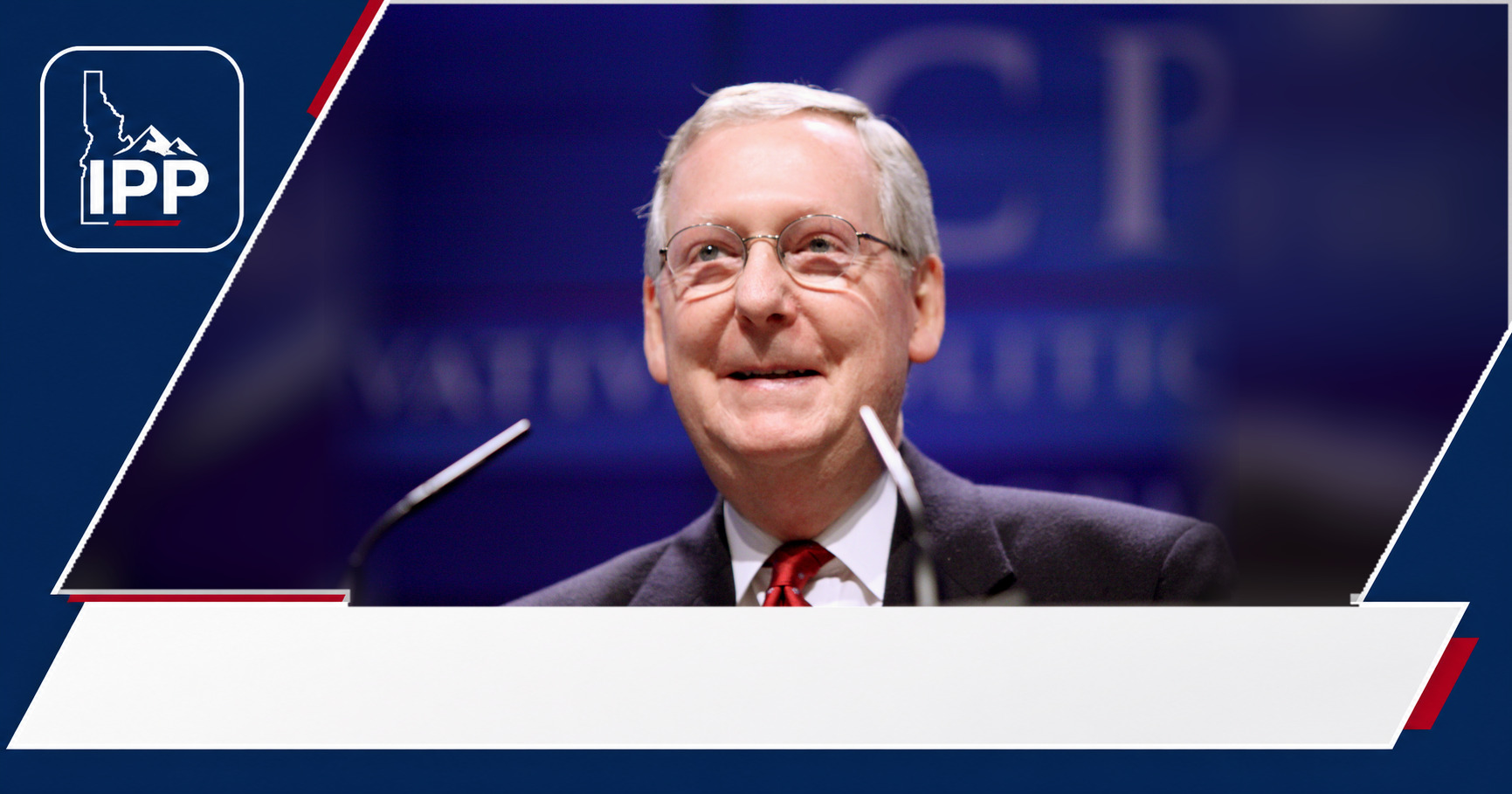
The image became more than a recovery update because it landed in a moment of anxiety about aging leaders, official transparency and AI fakery.
Mitch McConnell appears in a new photo, and people are questioning whether the photo is real. The 84-year-old Kentucky Republican’s image drew attention after weeks of public absence, a reported fall and mild pneumonia, with BBC Verify on July 14, 2026, saying there was no evidence the McConnell rehab photo was AI-generated. So, yes: feast your eyes, but the point is not just the picture.
The episode shows how quickly a routine recovery image can become a test of trust when an aging political leader, an official account and AI rumors collide.
A photo filled a vacuum
The photo mattered because it arrived after uncertainty. According to the BBC, McConnell had recently revealed that he had been hospitalized after suffering a fall and contracting mild pneumonia. He also had not been seen in public for weeks, which helped turn a recovery update into a national political object.
For most public officials, a photo after an illness or injury is meant to reassure. It says the person is alive, recovering and still engaged. For McConnell, one of the most recognizable Republicans in Washington and the senior senator from Kentucky, the image carried extra weight because his health has been the subject of public attention before.
That does not make every online theory useful. It does mean the public reaction was not random. When an 84-year-old senator disappears from public view for weeks and then reappears through a single image, people will read the details closely.
Why the AI rumor stuck
The sharpest claim around the photo was that it might have been generated by artificial intelligence. BBC Verify addressed that directly, reporting that there was no evidence the photo shared by McConnell was AI-generated.
That finding matters because the internet now treats almost any politically significant image as suspicious by default. Blurry hands, odd lighting, compression artifacts and awkward facial expressions can all become fuel for speculation, even when they are ordinary features of phone photos or social media uploads.
The healthier standard is simple: a claim that a photo is fake needs evidence. Skepticism is reasonable; unsupported certainty is not. In this case, the available verification cited in the public record points away from the AI claim, not toward it.
Health questions are different
There is a distinction worth keeping clear. Asking whether the image is authentic is one question. Asking how much the public should know about a senator’s health, schedule and ability to perform official duties is another.
McConnell’s age makes that second question politically relevant. His official online presence describes him as Kentucky’s senior senator and the longest-serving Senate party leader in American history. Those roles are not ceremonial. Senators vote, shape legislation, negotiate with colleagues and represent millions of constituents.
A photo can answer some immediate doubts. It can show that a person is recovering. It cannot, by itself, explain a medical timeline, forecast a return to public work or settle broader concerns about capacity.
That is where responsible scrutiny belongs. The public has a legitimate interest in whether elected officials can do the job. That interest does not require amplifying unsupported claims that a recovery photo is synthetic.
What the image can prove
The strongest public takeaway is narrower than the online debate suggests. The photo, as described by the BBC, showed McConnell alive and recovering after a fall. BBC Verify said there was no evidence it was AI-generated.
That is meaningful, but it is not the same as a full medical update. Official images often reduce complicated situations into one reassuring frame. They can calm rumors while leaving important practical questions unanswered.
- What is supported: McConnell shared a recovery photo, and BBC Verify found no evidence that it was AI-generated.
- What is reported: He had been hospitalized after a fall and mild pneumonia, according to the BBC.
- What remains unclear: The full timeline of his recovery, his public schedule and how quickly he resumes regular duties.
That split is important because both overreaction and underreaction are easy. Treating the image as a hoax without proof is reckless. Treating one image as the end of all questions is also too neat.
A Senate visibility problem
This story also reflects a broader shift in how political health updates now work. Voters often get fragments first: a post, a photo, a short statement, a clip. Those fragments then move through platforms built to reward suspicion and speed.
For public officials, especially older ones, that creates a communications trap. Say too little and the vacuum fills itself. Share a photo and people dissect it. Offer medical detail and critics may demand more.
Still, the burden is not only on the audience to behave better. Offices representing powerful elected officials need to understand that vague updates can invite exactly the speculation they hope to avoid. Clear timelines, plain language and repeated public-facing updates can do more than a single image.
The McConnell photo became viral because it sat at the intersection of three anxieties: age in government, trust in official messaging and fear of AI-generated political media. That combination is not going away.
What to watch next
The next meaningful signs will not come from zooming further into one image. They will come from McConnell’s public appearances, office statements, Senate activity and any additional updates about his recovery.
For Kentucky voters, the practical question is whether their senator is visible, responsive and able to carry out the work of the office. For everyone else, the lesson is about evidence. A photo can deserve scrutiny without becoming a blank screen for every theory online.
For now, the most defensible reading is the least sensational one: the new Mitch McConnell photo drew attention because of real questions around his absence and health, while the claim that it was AI-generated has not been backed by evidence.



Leave a Reply