
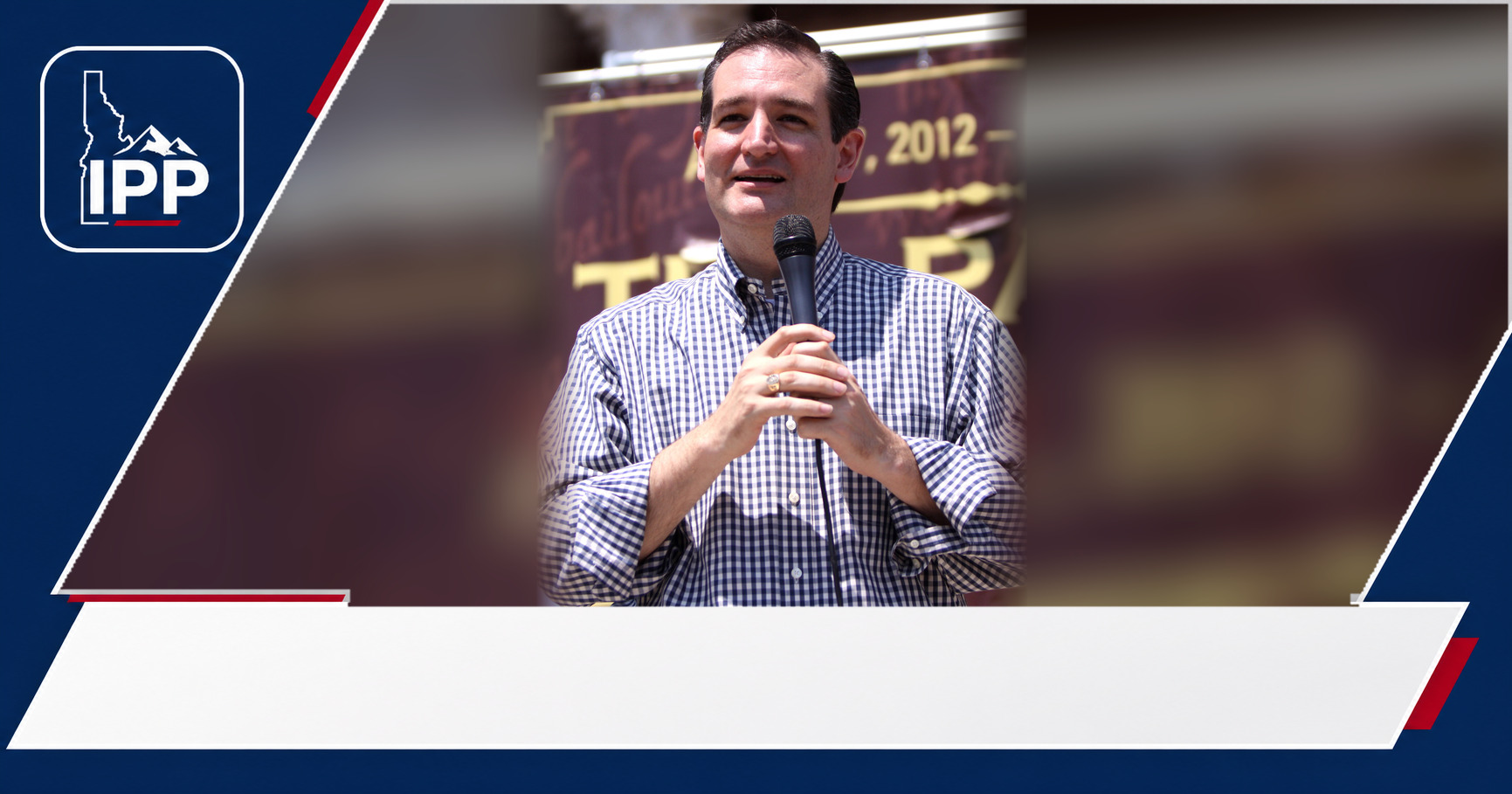
The Texas Republican’s criticism taps into a powerful voter concern: politicians using public office for private gain. It also revives an old fight over campaign loans, donors and personal repayment after Election Day.
Ted Cruz said more than he intended about leaders who line their pockets while in office when he criticized political leaders who enrich themselves while in office. The Texas Republican’s point was simple enough: public service should not become a private payday. The reason it matters now is that Cruz’s own record includes a major Supreme Court campaign-finance case centered on whether donors may help repay a candidate’s personal campaign loan after Election Day.
That does not mean Cruz accused himself of corruption, and the Supreme Court ultimately sided with him. But it does mean his attack lands in a more complicated place than a standard anti-corruption sound bite.
The line Cruz tried to draw
Cruz’s criticism rests on a view that most voters, across party lines, instinctively understand: people who hold power should not use that power to make themselves richer. It is one of the easiest arguments in politics because it sounds less like ideology than common sense.
The tension is that “lining their pockets” can mean different things depending on who is talking. It can refer to bribery, insider access, lucrative book deals, stock trades, family business arrangements, donor favors or the broader revolving door between government and private money.
Cruz’s remark works because it compresses all of that into a punchy moral claim. The harder question is where he believes the line should be drawn when campaign money touches a politician’s own finances.
His Supreme Court case matters
The most relevant context is Federal Election Commission v. Ted Cruz for Senate, a 2022 Supreme Court case that grew out of Cruz’s 2018 reelection campaign in Texas.
According to FEC filings and the Supreme Court record, Cruz loaned his campaign $260,000 the day before the November 6, 2018 general election. Federal law at the time limited how much post-election campaign money could be used to repay a candidate’s personal loans. The cap was $250,000.
That left $10,000 of Cruz’s loan unpaid under the rule. Cruz and his campaign challenged the restriction, arguing it burdened political speech by making candidates less willing to lend money to their own campaigns.
The Supreme Court agreed with Cruz in a 6-3 decision. Chief Justice John Roberts wrote for the majority that the loan-repayment limit burdened candidates’ First Amendment rights and that the government had not justified it with sufficient evidence of corruption or the appearance of corruption.
Why critics saw personal enrichment
The government’s concern was straightforward: after an election, donors know whether a candidate has won. If they give money at that point to help repay the candidate’s personal loan, the money does not simply support a campaign message. It can effectively restore cash to the officeholder’s own bank account.
That is why the case continues to shadow broad attacks on political self-enrichment. The FEC and campaign-finance watchdogs argued that post-election loan repayment creates a special risk because a donor may be giving to a sitting or newly reelected official, not merely a hopeful candidate.
Justice Elena Kagan made that concern central in dissent. Joined by Justices Stephen Breyer and Sonia Sotomayor, she argued that post-election contributions used to repay a candidate’s personal loan pose a corruption risk because the candidate personally benefits from the money.
The majority saw it differently. Roberts emphasized that candidates have long been allowed to lend money to their campaigns and that limiting repayment could deter candidates without wealthy networks from investing in their own races.
The strongest defense of Cruz
There is a serious pro-Cruz argument, and it is not just partisan spin. Campaigns are expensive. Challengers, first-time candidates and candidates running against better-funded opponents may need to loan money to their campaigns to stay competitive.
If those candidates fear they cannot be repaid, the argument goes, only the very wealthy can afford to take that risk. A repayment limit may sound like an anti-corruption rule, but it can also make campaigns harder for people who do not have deep personal fortunes.
The Supreme Court majority leaned into that logic. It treated the repayment restriction as a burden on political participation and campaign speech, not as a narrow ethics safeguard.
On that reading, Cruz’s position is consistent: he can oppose politicians improperly profiting from office while also arguing that candidates should be able to recover personal money they loaned to a campaign.
The awkward political takeaway
The awkwardness is not that Cruz broke the law. The Court said the restriction he challenged could not stand. The awkwardness is rhetorical: when a politician attacks officeholders for enriching themselves, voters may reasonably ask how that politician defines enrichment.
Is it only illegal bribery? Is it trading official action for money? Is it any arrangement where donors’ funds end up improving an officeholder’s personal financial position? The answer matters because Washington’s ethics debates often turn on legal distinctions that sound much thinner outside the Capitol.
Cruz is hardly alone in facing that problem. Members of both parties have been criticized over stock trading, paid speeches, family lobbying ties, campaign spending and post-office careers. Anti-corruption language is easy to deploy and hard to apply consistently.
That is why the phrase “line their pockets” is politically potent. It invites voters to judge not just criminal conduct, but the broader culture of benefit and access around public office.
What remains unresolved
The Cruz case did not settle the bigger ethics question. It settled a constitutional one: whether Congress could limit the use of post-election contributions to repay candidate loans. The Court said the specific limit violated the First Amendment.
That leaves reformers with a narrower path. They can still push for disclosure, tighter coordination rules, stricter gift bans, stock-trading limits or clearer rules around campaign spending. But after the Cruz decision, broad limits on candidate-loan repayment face a tougher constitutional road.
For Cruz, the political risk is simpler. His criticism of self-enrichment may resonate with voters who distrust career politicians. It may also remind opponents of the very case where his campaign-finance position allowed candidates to be repaid with money raised after voters had already decided the election.
The clean takeaway is this: Cruz’s attack works as a slogan, but his own legal history shows why the subject is messier than the slogan. In modern politics, the most revealing fights are often not over whether politicians should profit from office. They are over who gets to define profit, influence and corruption in the first place.








Leave a Reply