
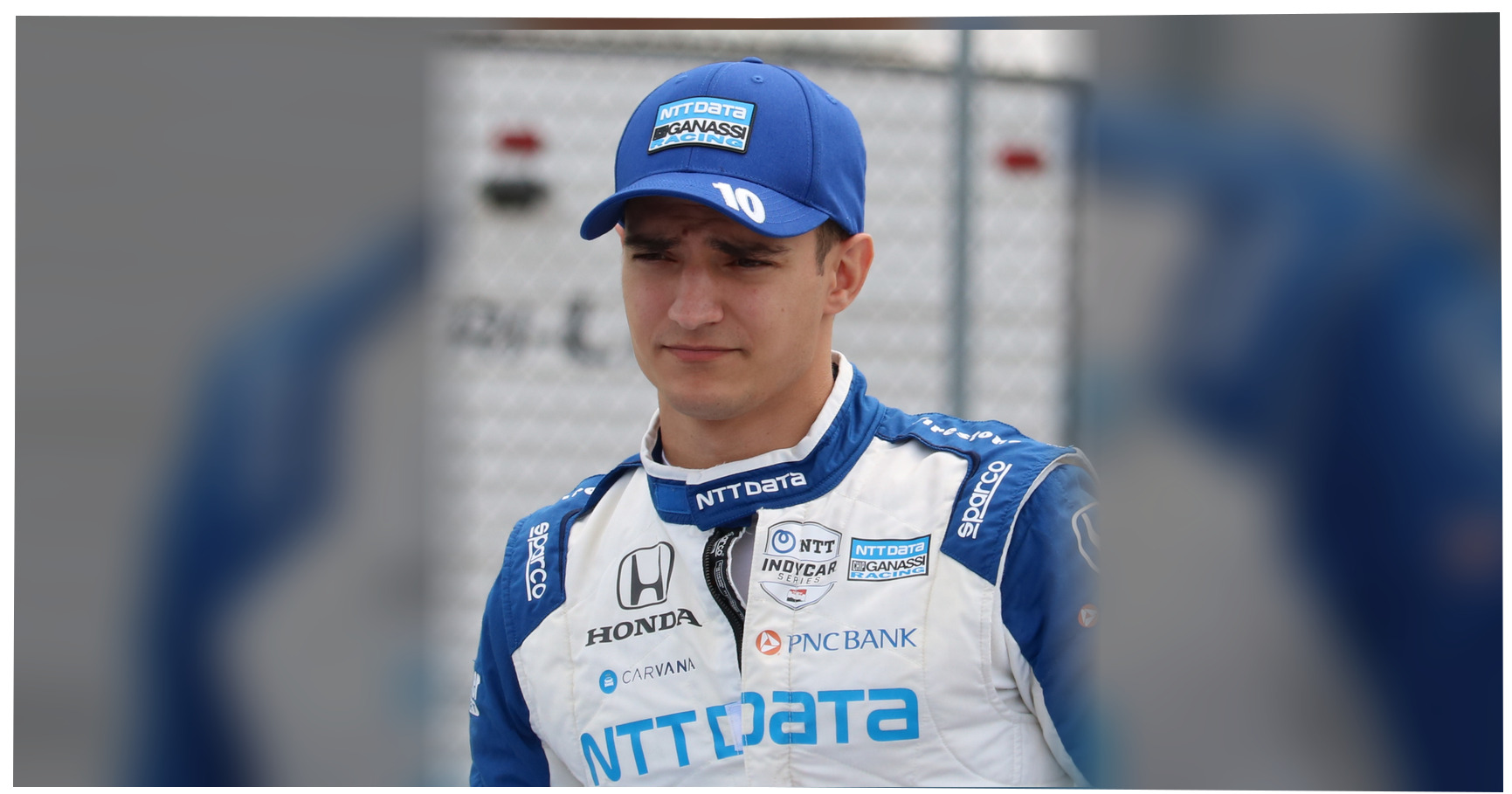
The Freedom 250 is more than a one-off backdrop race: it puts IndyCar on a tight downtown circuit with the championship entering its final stretch. Early pace from Kyle Kirkwood adds pressure to series leader Alex Palou.
The IndyCar Freedom 250 is taking place in Washington, DC, with live updates and race highlights tracking IndyCar’s first series race in the nation’s capital during the August 22–23, 2026 event weekend. The 250-mile race matters because only four rounds remain in the season and championship leader Alex Palou arrives with a commanding points advantage.
Early reporting from The Athletic’s live coverage identified American driver Kyle Kirkwood as a strong presence in the opening portion of the Freedom 250. The race is being run on a temporary downtown street circuit framed by the U.S. Capitol, the Washington Monument and the National Mall.
Washington gets its first IndyCar race
The Freedom 250 represents a new kind of showcase for IndyCar: a race staged amid some of the country’s most recognizable public spaces rather than at a permanent speedway or road course.
According to The Athletic’s event coverage, the circuit is 1.7 miles long and has seven turns. The route runs through the National Mall and Pennsylvania Avenue area, placing drivers on a narrow, temporary layout where braking zones, walls and track position can carry outsized importance.
Street circuits often create a different competitive equation from traditional circuits. A driver can be quick over one lap yet lose ground through traffic, pit timing or a single brush with a barrier. That volatility is part of the appeal, but it also makes early observations less reliable than a finished result.
The 250-mile format raises the stakes
The Freedom 250 is scheduled for 147 laps, totaling 250 miles. For comparison, the Indianapolis 500 runs 200 laps and 500 miles, so the Washington event is shorter in distance but still long enough for tire wear, fuel strategy and cautions to reshape the order.
That length gives teams several competing priorities. They need enough speed to protect track position on a circuit where overtaking may be difficult, but they also must avoid turning an aggressive opening stint into an early pit problem.
- Track position: Clean air can be especially valuable on a confined street layout.
- Caution timing: A yellow flag can reward a team that has delayed a stop or punish one that has just pitted.
- Driver discipline: Small mistakes can have large consequences when walls are close and runoff is limited.
The key unknown during live race coverage is whether the circuit produces sustained passing opportunities or instead makes pit strategy the primary path to movement. Both outcomes can produce drama, but they are very different tests for drivers and teams.
Kirkwood’s early pace meets Palou’s lead
Kirkwood entered Washington as the most plausible challenger to Palou in the standings, even if the gap remains substantial. The Athletic reported that Kirkwood had 409 points, 133 behind Palou, entering the Freedom 250.
Its coverage also listed Kirkwood with one victory, one pole position, eight top-five finishes and 12 top-10 finishes in 14 starts. That consistency explains why he is in the conversation despite Palou’s dominant season.
Palou, a four-time IndyCar champion, was reported to have 542 points, six wins, 11 top-five finishes and 12 top-10 finishes in 14 starts. He had led 558 laps, figures that underline the size of the task facing the rest of the field.
For Kirkwood, early speed in Washington is meaningful only if it converts into points. A strong finish could tighten the title race; a setback would leave Palou with even more room to manage the final rounds conservatively.
A major crowd tests the event
The Washington race also carries a larger question for IndyCar: can an event built around the capital’s landmarks become a durable stop on the calendar? The Athletic reported that organizers expected attendance to potentially reach 100,000 after roughly 60,000 people attended the previous day.
Its live coverage described grandstands filling quickly after gates opened, with free public tickets helping draw fans to the circuit. That suggests significant initial interest, though a successful debut requires more than a crowded opening weekend.
Fans and local officials will judge the experience differently. Supporters can point to the visibility of a race set against national landmarks and the accessibility created by free tickets. Skeptics may focus on crowd management, viewing access, street closures and whether a temporary circuit delivers compelling racing.
Those issues will shape the event’s legacy as much as the winner’s trophy. A visually spectacular race that frustrates spectators or drivers would face a different future than one that produces a smooth operation and a memorable finish.
What to watch as updates continue
The immediate story is the battle at the front: whether Kirkwood’s early form holds, whether Palou can turn championship control into another result, and which teams make the right calls when pit cycles and cautions arrive.
Josef Newgarden and Palou were reported as leading the morning warmup, another reminder that early race pace is only one piece of a shifting picture. Marcus Ericsson also arrived after winning the previous IndyCar round in Markham, Ontario, adding another proven contender to the mix.
The race was scheduled to start at 1:13 p.m. ET and air on Fox, according to The Athletic. Live standings, lap leaders, cautions, incidents and the final order can change quickly, so any mid-race snapshot should not be treated as a final result.
What is already clear is the scale of the experiment. The IndyCar Freedom 250 has put a championship race in downtown Washington, DC, and its outcome will help determine whether the series’ newest stage becomes a lasting part of its future.




Leave a Reply