
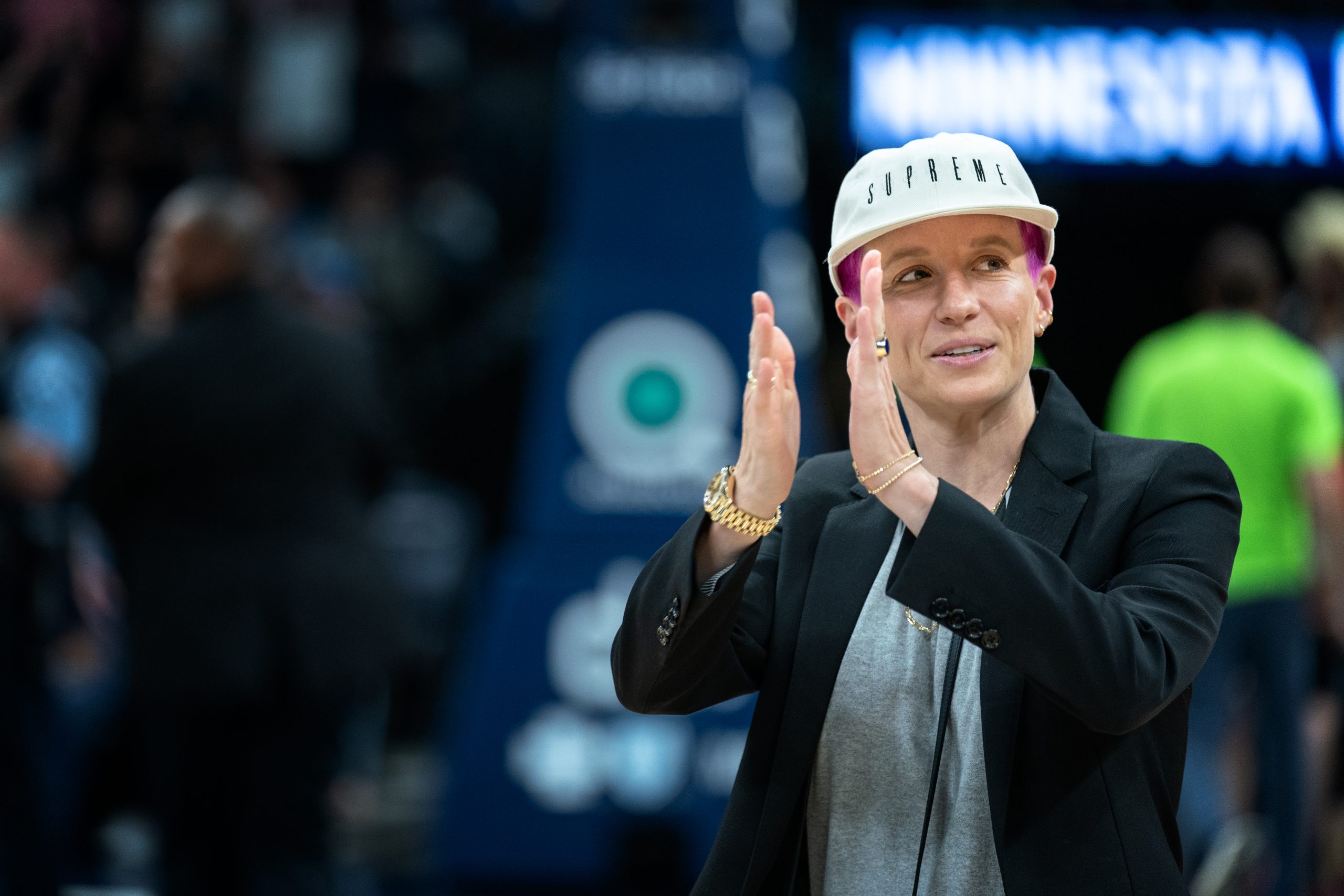
The latest flare-up is less about one missed penalty than a long-running argument over patriotism, activism and why the U.S. women’s team fell short.
Megan Rapinoe blames Donald Trump for the U.S. women’s World Cup demise, according to a Metro report circulating through MSN, turning the U.S. women’s World Cup loss or decline back into a fight over politics, patriotism and soccer’s most visible American team.
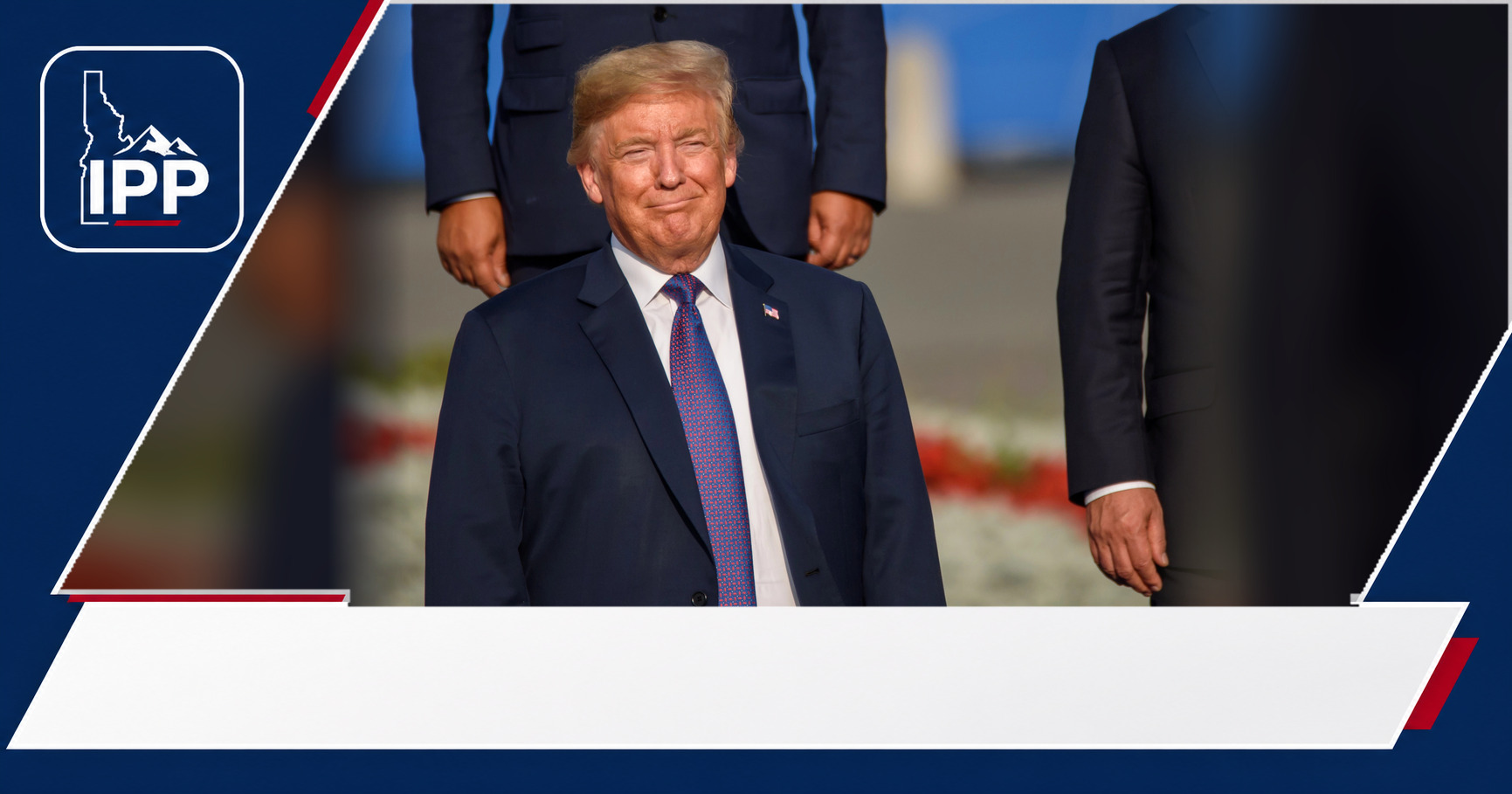
The reason it matters now is Trump’s response to Rapinoe was already part of the record: after the U.S. women’s national team crashed out of the World Cup against Sweden, Donald Trump criticized the team as “woke,” mocked Rapinoe’s missed penalty and cast the exit as political proof.
Rapinoe’s claim reopens an old fight
The reported Rapinoe argument lands because it connects two different conversations that have followed the U.S. women’s national team for years: why the program’s dominance slipped, and why the team became such a powerful symbol in American politics.
Rapinoe has never been just another star player. She was the face of the 2019 World Cup-winning team, won the tournament’s Golden Boot and Golden Ball, and became one of the most prominent athlete-activists in the country through her advocacy on LGBTQ+ rights, racial justice and equal pay.
Trump, meanwhile, has repeatedly used the team as an example in a broader argument about national identity. His criticism has often centered less on formations or finishing than on whether some players were, in his view, insufficiently patriotic.
That is why a claim blaming Trump for the team’s World Cup decline is not simply a sports take. It is an argument that the culture war around the USWNT became part of the environment the players had to carry.
What Trump said after Sweden
The sharpest documented Trump response came after the USWNT lost to Sweden in a penalty shootout at the Women’s World Cup. The defeat ended the team’s tournament in the round of 16, its earliest exit at a World Cup.
As reported by CNN and The Hill at the time, Trump posted on Truth Social that the loss was “fully emblematic” of what he said was happening to the United States under President Joe Biden. He added that “WOKE EQUALS FAILURE” and singled out Rapinoe after she missed her penalty attempt.
Rapinoe was one of three U.S. players who failed to convert in the 5-4 shootout loss. The moment was especially bitter because it came near the end of her decorated international career.
Trump’s post did not analyze the match in a conventional way. It turned the defeat into a political message, tying one missed kick and one team’s early exit to his broader criticism of progressivism, Biden and what he describes as anti-American attitudes.
The White House feud began earlier
The Trump-Rapinoe conflict did not begin with the Sweden loss. In 2019, while the United States was still chasing another World Cup title, Rapinoe said she would not visit the White House if the team won.
Reuters reported at the time that Rapinoe said, “I’m not going to the F**** White House,” adding that she doubted the team would be invited. Her comments quickly became a national political story, not just a locker-room sound bite.
Trump answered on Twitter, saying Rapinoe should “never disrespect our country, the White House, or our flag.” He also wrote that he was a fan of the U.S. team and women’s soccer, but said Rapinoe should “first win before she speaks.”
The U.S. did win that tournament. Rapinoe’s performance made her one of the defining figures of the event, while her refusal to soften her politics made her a target for critics who thought the team’s activism overshadowed the sport.
Soccer reasons still matter
Blaming Trump for the USWNT’s decline is a political argument. It does not erase the soccer reasons the team struggled.
CNN’s coverage of the World Cup exit noted that the U.S. had already been outplayed or pushed hard earlier in the tournament, including difficult matches against the Netherlands and Portugal. The Sweden shootout was the final blow, not the only warning sign.
Former players and analysts also criticized the team from inside the soccer world. CNN reported that Carli Lloyd, a two-time World Cup winner, said the U.S. needed to “wake up,” while Fox Sports analyst Alexi Lalas described the team as polarizing and questioned its mentality.
Those critiques point to a different explanation: changing global competition, player development, tactical issues, finishing, team chemistry and the pressure of a program that had been expected to win every major tournament for decades.
Why the politics stuck
The reason the Trump-Rapinoe feud keeps resurfacing is that both sides turned the USWNT into something larger than a team.
For supporters, Rapinoe and her teammates represented a version of American excellence that included protest, equal-pay demands and public criticism of political leaders. Their success in 2019 strengthened that case: they won while refusing to be quiet.
For critics, the same behavior became evidence that the team had lost humility or national pride. Trump’s “woke equals failure” line after the Sweden loss gave that argument a simple slogan, even though one tournament exit cannot prove a cultural theory.
The tension is that both arguments can feel emotionally persuasive to different audiences while still leaving the central sports question unsettled. Did politics damage the team, or did politics merely become the language people used to explain a soccer decline that had other causes?
What remains unanswered
The current report’s framing — that Rapinoe blames Trump for the U.S. women’s World Cup demise — adds fuel to a dispute that has never been only about results. But the public record supports a narrower, clearer conclusion: Trump repeatedly attacked Rapinoe and the team, and those attacks became part of the story around the USWNT’s fall from World Cup dominance.
What remains harder to prove is causation. A hostile political climate may affect players, public perception and the pressure around a team. It does not explain every missed chance, lineup decision or tactical mismatch.
The most honest reading is that the USWNT’s decline became a culture-war battlefield because Rapinoe and Trump had already made each other symbols. When the team won, Rapinoe’s activism looked inseparable from its confidence. When the team lost, Trump treated the defeat as confirmation of his politics.
That is why this story keeps drawing attention. It is not just about whether Rapinoe or Trump is right. It is about how quickly American sports arguments now become arguments over who gets to define patriotism.





Leave a Reply