
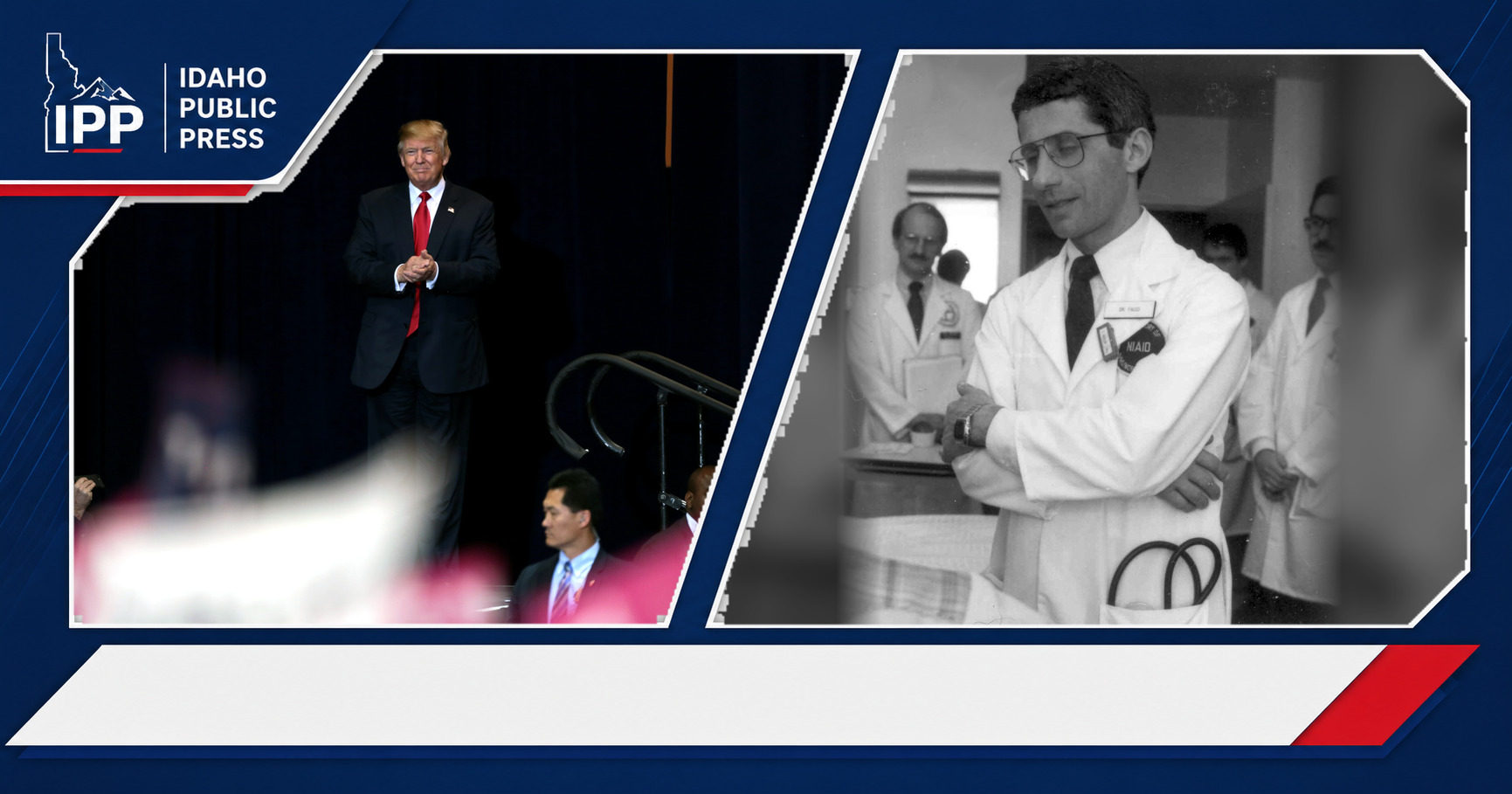
A Senate committee vote and a presidential call do not automatically create a criminal case. The next decisions belong to Justice Department prosecutors, while Fauci's lawyer is already challenging the referral as political and unconstitutional.
Donald Trump said Dr. Anthony Fauci should potentially be prosecuted after a Republican-led Senate committee voted in Washington on August 6, 2026, to hold the former federal health official in contempt of Congress. The legal process that could follow is not automatic: any federal case would have to be initiated by the Justice Department or federal prosecutors, not by the president alone.
The dispute centers on Fauci’s refusal to answer questions at a Senate hearing, where he invoked the Fifth Amendment. Trump compared the situation to the contempt prosecutions of former aides Steve Bannon and Peter Navarro, but Fauci’s case raises separate questions about a presidential pardon, Senate procedure and the constitutional privilege against self-incrimination.
A committee vote starts the fight
The Senate Homeland Security and Governmental Affairs Committee voted 8-7 along party lines to hold Fauci in contempt of Congress. Committee Chairman Rand Paul, a Republican of Kentucky, said he planned to personally deliver the criminal referral to the Justice Department rather than first seek a vote of the full Senate.

That distinction matters. Contempt referrals have historically involved action by a full chamber of Congress, and Democratic Sen. Gary Peters of Michigan argued that the Senate as a body, rather than an individual senator or committee chairman, must decide whether to make such a referral.
Paul has argued that the committee can act without waiting for the full Senate. That disagreement could become part of the legal and political argument over whether the referral was properly made, even before prosecutors reach the underlying question of Fauci’s testimony.
Trump’s statement is not a charge
Trump was asked whether the Justice Department should prosecute Fauci and said it potentially should. He pointed to the criminal contempt cases brought against Bannon and Navarro after they defied subpoenas from the House committee investigating the January 6, 2021, Capitol attack.
Bannon and Navarro were convicted of contempt of Congress and each served a four-month prison sentence. Trump argued that Fauci’s conduct was more serious, framing his remarks around what he called unequal treatment.
But a president’s public view does not itself open a federal criminal case, issue a subpoena, establish a crime or determine guilt. Prosecutors would have to assess the referral, the evidence, the governing contempt statute and potential defenses before deciding whether to investigate or bring charges.
That separation is central to the controversy. Supporters of a prosecution can view the referral as an effort to enforce Congress’s oversight authority; critics can view presidential pressure on a case involving a prominent political target as a test of prosecutorial independence.
The Fifth Amendment is central
Fauci invoked his Fifth Amendment right against compelled self-incrimination during the Senate hearing. Paul has contended that the claim was unsupported because President Joe Biden issued Fauci a preemptive pardon on his final full day in office.
The pardon covered potential federal offenses committed from 2014 through 2025. Paul has argued that, because Fauci has immunity from federal prosecution for conduct in that period, he no longer faced the kind of criminal exposure that permits a witness to refuse to answer.
Fauci’s supporters and legal team see a more complicated picture. Testimony given in 2026 could potentially create new exposure, including accusations of perjury or false statements that fall outside the pardon period. The pardon also did not shield him from possible state or local charges.
Courts have long recognized that the Fifth Amendment can apply where truthful answers might furnish a link in a chain of evidence leading to criminal liability. Whether Fauci’s specific questions and answers posed a realistic risk would depend on the record, the scope of the pardon and the legal theories prosecutors might pursue.
Fauci’s lawyer calls referral political
David Schertler, a lawyer for Fauci, called the committee’s contempt vote a “crude political stunt” intended to punish Fauci for exercising constitutional rights. He said Paul was trying to weaponize the Justice Department against an honorable public servant.
Fauci has been a frequent target of Republican criticism over the federal response to the COVID-19 pandemic, including disputes over the origins of the virus and public-health guidance. He served for decades as director of the National Institute of Allergy and Infectious Diseases and helped lead the federal pandemic response under both Trump and Biden.
Those longstanding political disputes give the current confrontation a broader backdrop. A contempt matter generally turns on whether a witness lawfully refused a congressional demand for testimony, not on whether lawmakers approve of the witness’s past policies or statements.
That does not prevent past conduct from being part of the political debate. It does mean prosecutors, if they review the matter, would need to focus on the narrow elements of a potential contempt offense and Fauci’s asserted legal protections.
What the Justice Department must decide
A referral can place a matter before the Justice Department, but it does not require prosecution. Federal prosecutors can decline to act, request more information, investigate further or pursue charges if they conclude the evidence and law support doing so.
If prosecutors chose to move ahead, a criminal case would ordinarily require formal charging steps. Depending on the offense and circumstances, that could include an indictment returned by a grand jury or a charging document filed by a U.S. attorney’s office. Fauci would have the opportunity to contest the allegations and raise constitutional and procedural defenses in court.
The immediate unknown is whether the Justice Department will treat Paul’s planned referral as a sufficient basis for review and, if so, how it will evaluate the Fifth Amendment claim. The department has not, in the reporting available, announced a charging decision.
The larger question extends beyond Fauci: how Congress, the White House and federal prosecutors handle a disputed contempt referral can shape expectations for future investigations. For now, Trump’s call has intensified the stakes, but the next legally meaningful move belongs to prosecutors—not the president or the committee vote alone.





Leave a Reply