
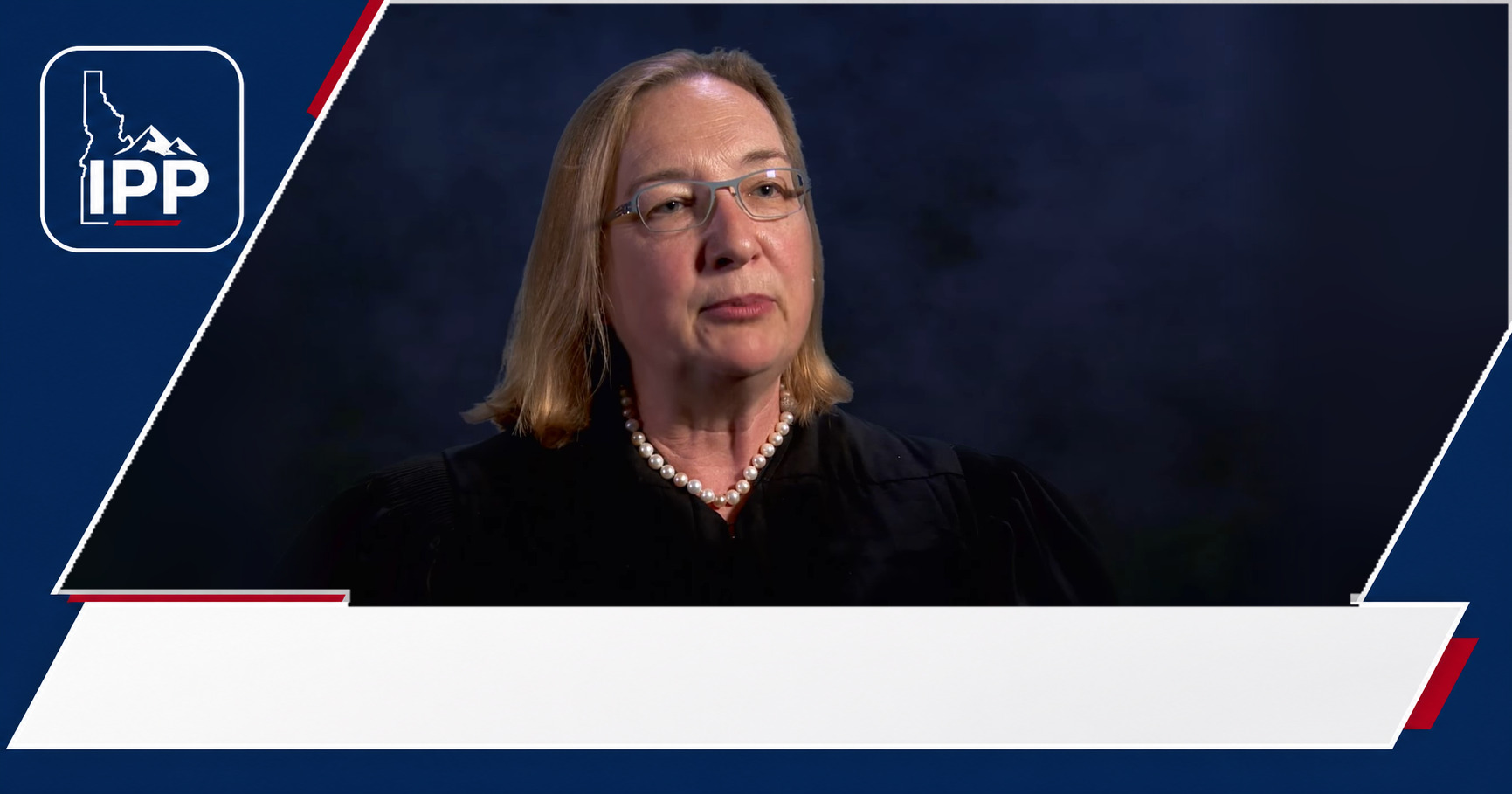
The ruling keeps Judge Beryl Howell on a challenge to President Donald Trump’s executive order targeting Perkins Coie. It also puts a sharp focus on how far the Justice Department can go in contesting judges without appearing to challenge the courts’ constitutional role.
Donald Trump’s effort to sideline a federal judge was rejected after the U.S. Department of Justice sought to remove Judge Beryl Howell from a case involving a Trump executive order against the law firm Perkins Coie. The DOJ briefing drew a formal rebuke from Howell, who said the department’s rhetoric risked undermining the judiciary rather than addressing the legal issues before the court.
Howell’s decision leaves her in charge of the case and turns a procedural fight over judicial impartiality into a broader argument about the limits of executive power, courtroom advocacy and public confidence in federal courts.
Howell stays on the case
Howell, a U.S. District Judge for the District of Columbia, denied the Justice Department’s request that she be disqualified from the Perkins Coie lawsuit. The law firm is challenging an executive order from Trump that imposed restrictions on it.
Earlier in March 2025, Howell temporarily blocked enforcement of the order after finding that it was likely unconstitutional, according to NPR’s account of the litigation. The Justice Department then argued that Howell had repeatedly shown what it described as “animus” toward Trump and should no longer hear the dispute.
That sequence matters. A request to remove a judge can be a legitimate legal tool when a party believes impartiality is in doubt. But it also asks a court to decide whether pointed criticism of a government’s legal position is evidence of bias, or simply part of judicial review.
The executive order at issue
The underlying case concerns Trump’s order targeting Perkins Coie, a prominent law firm with past ties to Democratic political figures and campaigns. The order sought to punish the firm through measures affecting its access to federal buildings, security clearances and dealings with government contractors.
Perkins Coie challenged the order in federal court, arguing that it violated constitutional protections. Howell’s initial ruling did not resolve the entire lawsuit, but her temporary block signaled that she believed the firm had raised serious legal concerns.
That preliminary ruling set up the Justice Department’s disqualification push. The department’s position was that Howell’s past remarks and approach to Trump-related matters showed hostility. Howell rejected that assessment.
A rebuke aimed at DOJ rhetoric
In her order, Howell said a litigant’s right to an impartial judge does not give any party, including the president or a federal agency, the right to demand its preferred facts or legal result.
She particularly criticized language in the Justice Department’s filing referring to what it called improper encroachments on Trump’s executive power around the country. Howell said the line sounded more like a congressional talking point than a legal argument, and she said it lacked cited legal authority.
Her answer went to the constitutional division of responsibilities: federal courts decide whether executive actions are lawful, while the executive branch is entitled to defend its policies vigorously. Those roles can produce sharp conflict, but Howell argued that attacking the decision-maker does not substitute for answering the legal claims.
Howell described ad hominem attacks on judges as carrying consequences beyond the reputation of any one jurist. In her view, such arguments can invite the public to blame judges for legal losses instead of examining the substance of the government’s case.
Why judicial independence is central
The confrontation lands amid repeated clashes between the Trump administration and federal judges reviewing its actions. Judges who halt or question administration policies have become targets of political criticism, while administration officials and supporters argue that courts sometimes overstep their authority.
There is a real institutional tension beneath the rhetoric. Presidents have broad authority to direct the executive branch, but federal courts have the power and duty to decide whether executive actions comply with the Constitution and federal law.
Howell’s order takes a firm view of that balance. It does not say the Justice Department cannot seek a judge’s recusal or challenge a ruling on appeal. It says the request in this case did not establish a basis to remove her, and that the department’s framing risked discrediting the judiciary itself.
The administration’s supporters may see aggressive challenges to judges as necessary when they believe courts are interfering with elected presidential authority. Critics see the same strategy as an attempt to weaken a check on executive power when legal arguments do not prevail.
Howell pointed to another ruling
Howell also highlighted that her record was not uniformly adverse to the Trump administration. NPR reported that she had recently ruled for the government in a separate challenge involving the U.S. Institute of Peace.
That point undercut the Justice Department’s assertion that she could not fairly hear the Perkins Coie case. A judge can rule against one administration action and for the government in another case, depending on the facts and law presented.
It is also a reminder that disqualification disputes are narrower than the political arguments surrounding them. The immediate question was not whether Howell had previously criticized Trump or ruled against his administration. It was whether those circumstances legally required her removal from this particular lawsuit.
What comes next for Perkins Coie
With the disqualification request denied, the Perkins Coie challenge can continue before Howell unless a higher court intervenes. The Justice Department may continue defending Trump’s executive order, seek appellate review of adverse rulings or pursue other procedural options.
The larger case still must determine whether the executive order can stand. Howell’s temporary block and her refusal to step aside are significant developments, but they are not a final judgment on every claim raised by the firm.
The unresolved question is whether this episode remains a pointed courtroom dispute or becomes a model for future fights between the administration and judges reviewing its actions. Howell’s ruling makes her position clear: forceful legal advocacy is expected, but the judiciary’s role cannot be reduced to accepting the executive branch’s preferred answer.





Leave a Reply