
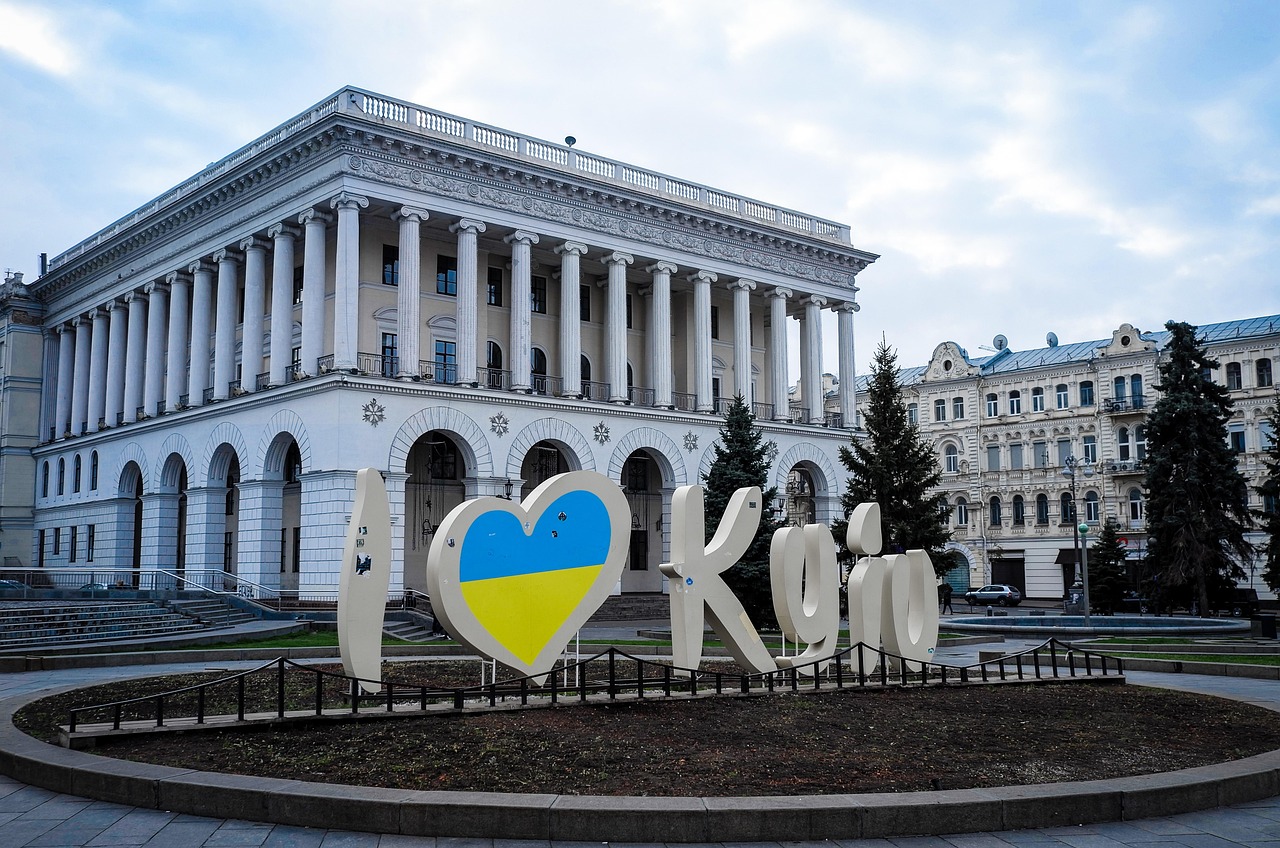
The latest reports from Ukraine’s capital point to another deadly moment for civilians in a war where casualty counts often shift as authorities identify victims and assess damage.
The reported death toll in Kyiv has climbed to 26, according to a news item distributed by The Independent through MSN, marking another grim casualty update from Ukraine’s capital as the war continues to hit civilian areas far from the front line.
The number is not just a statistic. It is a snapshot in a fast-moving conflict where death tolls can rise as rescue teams work through damaged buildings, hospitals update lists and local officials confirm identities.
Kyiv’s toll keeps shifting
The Independent’s report, carried on MSN, said the death toll in Kyiv had risen to 26. Sky News, in its own live Ukraine coverage, referenced a day of mourning after 30 people were killed in Kyiv, underscoring how casualty figures in wartime reporting can differ as updates come from multiple authorities and agencies.

TrendWire could not independently verify the latest death count. In the early hours after a major strike or attack, official figures often move in stages: first the number of people confirmed killed, then those recovered from rubble, then victims who die later from injuries.
That uncertainty does not make the figures less serious. It makes the reporting more delicate. Each revision can mean families have received confirmation, emergency crews have reached another section of wreckage, or hospitals have reconciled records from several locations.
For readers watching the Ukraine war from abroad, Kyiv may seem like a familiar name from years of headlines. For residents, each new casualty update is a reminder that the capital remains exposed despite air defenses, security precautions and international attention.
A capital under recurring threat
Kyiv is not only Ukraine’s largest city and seat of government. It is also the symbolic center of the country’s resistance since Russia launched its full-scale invasion in February 2022.
That has made attacks on the city especially consequential. Strikes on Kyiv can disrupt daily life, test Ukraine’s air defense network and send a political message beyond the immediate damage.
The city has experienced repeated waves of missile and drone attacks during the war. Some have targeted infrastructure, including energy systems. Others have damaged residential buildings, schools, medical sites or commercial areas, depending on where debris or weapons landed.
Even when air defenses intercept incoming weapons, falling fragments can kill or injure people below. That is one reason casualty counts in cities can grow even after an attack is technically over.
Why casualty numbers vary
War casualty figures are among the hardest numbers to report with precision. They depend on access, speed, local record-keeping and whether the area is safe enough for responders to search thoroughly.
In Ukraine, the problem is larger than any single city. A Kyiv Independent analysis of the war’s death toll noted that calculating total civilian and military deaths remains difficult because Russia rarely provides reliable information on its battlefield losses, Ukraine has released limited official military figures, and deaths in occupied areas are especially hard to confirm.
The same challenge appears at a local level after attacks. A city administration may release one count. Emergency services may later update it. Hospitals may confirm additional deaths. International outlets may publish at different points in that process.
That is why responsible reporting should say who provided the number and when. A death toll of 26 reported by one outlet can coexist with another report citing 30 if one is newer, broader, or based on a different official update.
The wider war toll
The Kyiv casualty update comes against the backdrop of a war whose full human cost is still not fully known. The Kyiv Independent reported in 2025 that, based on Ukrainian government figures, United Nations statistics and open-source data from Mediazona and BBC Russia, a minimum estimate of confirmed deaths among Ukrainian civilians and Ukrainian and Russian soldiers had reached 170,521 as of June 12, 2025.
That figure was described as a minimum estimate. The true number is widely believed to be higher, especially because deaths in Russian-occupied territory are difficult to document and military losses are often treated as sensitive information.
Ukrainian President Volodymyr Zelensky has said more than 46,000 Ukrainian soldiers had been killed since the start of the full-scale invasion, according to the Kyiv Independent’s summary of his public remarks. Russia’s publicly acknowledged military death toll has long been far lower than independent estimates and has not been updated regularly.
Open-source projects have tried to close the gap by verifying names through obituaries, cemetery records, court filings and local reports. Mediazona and BBC Russia had confirmed more than 111,000 Russian soldiers killed by early June 2025, according to the Kyiv Independent, while noting that the real number is likely substantially higher.
Why Kyiv deaths resonate abroad
Casualties in Kyiv draw international attention because foreign embassies, aid groups, media organizations and European officials are often present in the capital. Sky News reported that European Union officials in Ukraine had been accounted for after the latest attacks, citing a European official who said words of condemnation alone would not stop attacks on Kyiv.
That kind of statement reflects a recurring divide in the international response: condemnation is immediate, but decisions on air defense systems, weapons deliveries, sanctions and diplomatic pressure move more slowly.
For Ukraine, attacks on Kyiv strengthen the case that the country needs sustained air defense support. For allies, every major strike raises the same questions: how much help to provide, how quickly, and at what risk of escalation.
The deaths also matter because they challenge the idea that the war is confined to battlefields in the east and south. Kyiv is hundreds of miles from some front-line areas, yet its residents still face sirens, shattered windows, blackouts and funerals.
What remains unclear now
Several key details were not settled in the initial reports available to TrendWire. It was not immediately clear whether the toll of 26 referred only to confirmed deaths within Kyiv city limits, whether additional deaths were counted in surrounding areas, or whether later updates had changed the official number.
It was also unclear how many people were injured, how many remained missing, and what specific sites were hit. Those details often emerge later through local authorities, emergency services and hospital officials.
For now, the central fact is stark: another casualty count from Ukraine’s capital has climbed into the dozens. Whether the final number is 26, 30 or revised again, the latest reports point to the same reality — the war’s civilian cost is still being counted in real time.
The next updates will likely come from Kyiv officials, Ukraine’s emergency services and international news agencies. Until then, the safest reading is also the most sobering one: the number may change, but the human loss behind it has already been confirmed.










Leave a Reply