
The ruling keeps pressure on Musk over market-moving posts from the chaotic Twitter acquisition fight. Investors have estimated damages could reach about $2.5 billion.
Elon Musk’s attempt to erase a fraud verdict over his 2022 Twitter takeover tweets has failed, leaving him exposed to a potentially huge investor payout.
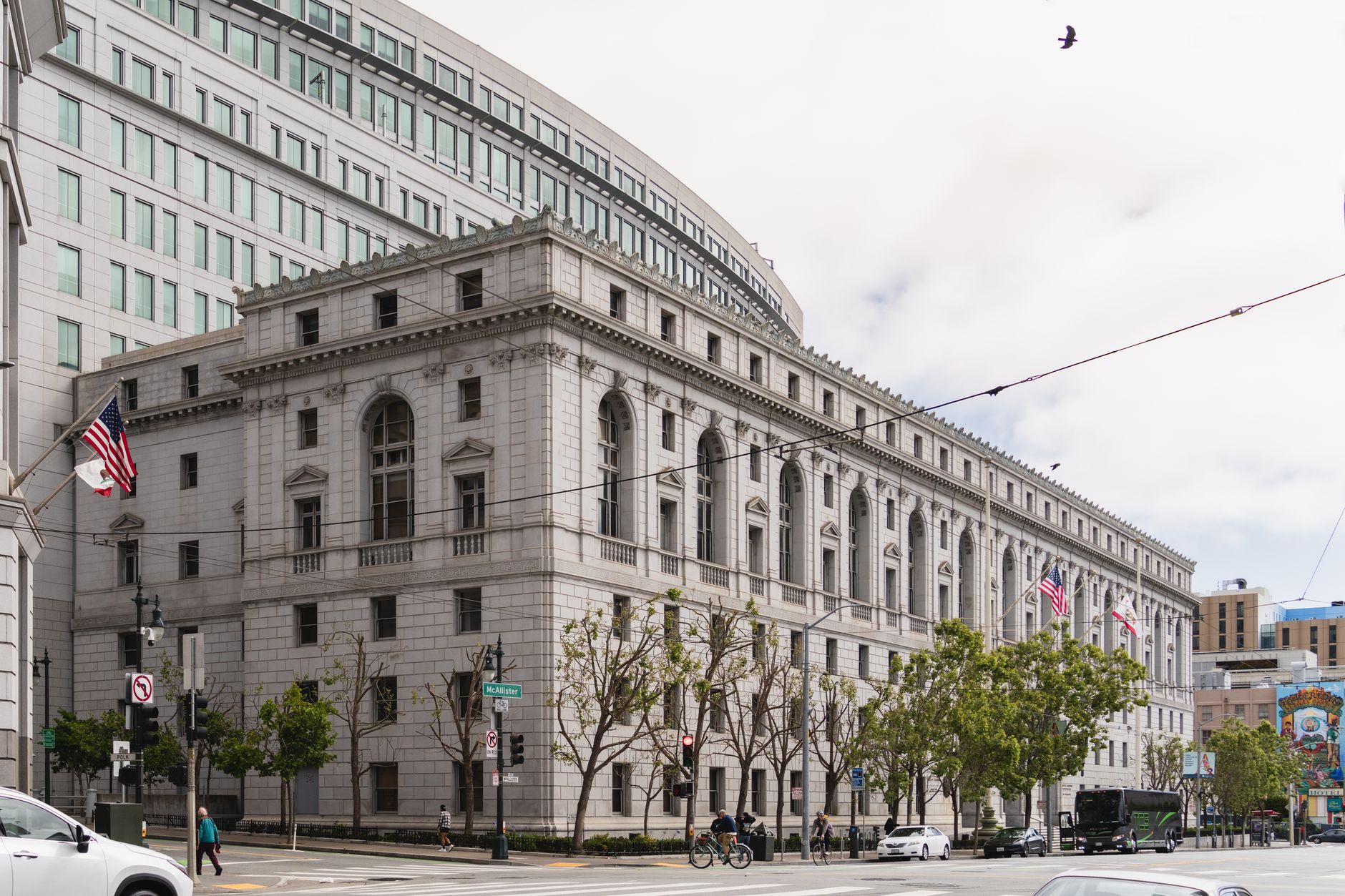
US District Judge Charles Breyer in San Francisco rejected Musk’s bid to void the jury’s finding that he defrauded Twitter investors while trying to pressure the company during his $44 billion acquisition fight, according to Reuters. The ruling keeps alive one of the most consequential legal aftershocks from the deal that turned Twitter into X.
A costly verdict survives
The judge’s decision leaves the core of the March 20 verdict intact. Jurors had found Musk liable over tweets that questioned Twitter’s bot numbers after he had already agreed to buy the company.
Investors argued that Musk used the bot issue to drive down Twitter’s stock price, either to force a renegotiation or to give himself a path out of the deal. They said one of the tweets caused Twitter shares to drop 18% over two trading days, hurting shareholders who sold at depressed prices.
Breyer rejected Musk’s request to set aside the verdict and also denied his motion to decertify the investor class. He granted the investors’ request for pre-judgment interest, a move that could increase the financial stakes.
A lawyer for the investors previously estimated that damages could total about $2.5 billion. Lawyers for Musk and for the investors did not immediately respond to Reuters requests for comment.
The tweets at the center
The case turns on two Musk posts from May 2022, when the Twitter deal was in its most volatile phase.
On May 13, Musk said the acquisition was “on hold” while he awaited details supporting Twitter’s claim that spam and fake accounts made up less than 5% of users. Four days later, he said the deal “cannot move forward” until Twitter’s chief executive proved the bot figure was under 5%.
Those posts mattered because Musk had already signed an agreement to buy Twitter for $54.20 a share. His public doubts about bots quickly became a market-moving subplot, raising questions about whether he was genuinely seeking information or trying to change the terms of a deal he no longer liked.
Breyer wrote that there was “substantial evidence of falsity” in the May 13 tweet. He said a jury could conclude that Musk “had a motive to get out of the existing deal and used bots as a pretext to do so.”
One claim did narrow
The ruling was not a total win for investors. Breyer found Musk was not liable for one of the challenged tweets.
The judge agreed with Musk that the May 17 tweet did not cause investors to lose money because there was no market reaction tied to it. In securities cases, a false statement is not enough by itself; investors also must connect the statement to economic harm.
That distinction matters. The court allowed the verdict to stand where it saw evidence that a statement moved the market, but it cut back liability where the causal link was missing.
For Musk, that trims the case but does not remove the central threat. The May 13 tweet remains the key problem because investors tied it to a sharp stock drop and alleged losses.
The judge rejected the 420 argument
Musk also challenged the verdict by arguing that jurors were mocking him or trying to “send a message” by highlighting the figure “$4.20” in bright blue on the verdict form.
The number 420 is associated with marijuana culture and has appeared repeatedly in Musk’s public business lore. His Twitter offer was $54.20 per share. His 2018 tweet saying he had “funding secured” to take Tesla private at $420 a share led to a civil fraud lawsuit by the US Securities and Exchange Commission, which he later settled.
Breyer was not persuaded that the reference showed jury bias. He said it “defies common sense” to conclude the jury was biased against Musk, noting that jurors deliberated for nearly four days and sided with him on some claims.
The judge also said there was no evidence that 420 was negatively associated with Musk. “To the contrary, 420 is a reference to cannabis/marijuana,” Breyer wrote, adding that anyone walking around San Francisco on April 20 could see how widespread the celebration is.
Why this ruling matters
Musk’s legal battles often turn on a familiar question: when is a tweet merely brash commentary, and when is it a statement that investors can rely on?
This ruling leans hard toward accountability when the post is about a live, multibillion-dollar transaction. Breyer’s most pointed line captured that view: “Even if the speaker has a change of heart or a momentary regret about a transaction, such qualms do not justify lying to the investing public.”
That is the broader warning for executives with large followings. A social media post can be informal in tone and still carry legal weight if it concerns a public company, a pending deal or information that could move a stock price.
For ordinary investors, the ruling is also a reminder of how quickly market damage can happen. A few words from a powerful buyer during a takeover fight can shift expectations, move shares and leave shareholders arguing years later over who should bear the loss.
More Musk litigation remains
The Twitter acquisition has continued to generate legal fallout long after Musk closed the deal and renamed the platform X.
He also faces a separate lawsuit in Manhattan accusing him of defrauding Twitter investors by waiting too long to disclose his initial stake in the company. In that case, investors claim the delayed disclosure allowed him to buy shares cheaply and caused others to sell at lower prices.
The San Francisco ruling does not end the fraud case over the takeover tweets. It keeps the verdict alive, preserves class treatment for investors and adds pre-judgment interest to the equation.
The next fight is likely to focus on final damages, any further post-trial motions and possible appeals. For now, the message from the court is clear: Musk’s Twitter deal tweets were not just noise from a chaotic negotiation. At least one of them may carry a multibillion-dollar price tag.





Leave a Reply