
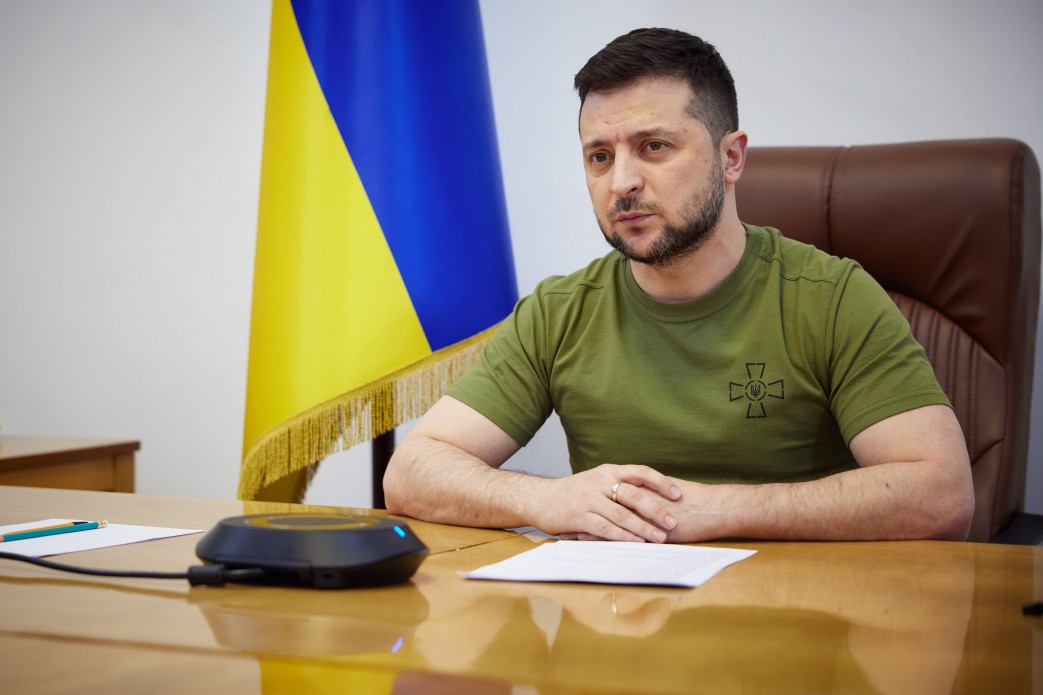
Kyiv says Russia’s biggest barrages are exposing a hard limit in Ukraine’s defenses: the supply of Patriot interceptors. The question now is whether NATO can move fast enough.
Volodymyr Zelenskyy’s latest appeal to NATO is built around one weapon system and one grim calculation: without more Patriot missiles, Ukraine’s cities remain exposed to Russia’s fastest strikes.
The Ukrainian president’s call came after another deadly Russian attack on Kyiv, a strike that sharpened a recurring problem for Ukraine and its allies. Air defense is no longer just one part of the war effort. It is the line between a city sleeping through the night and a city digging through rubble by morning.
Kyiv attack renews the pressure
Zelenskyy has urged NATO partners to provide more Patriot missiles after Russian attacks again hit the Ukrainian capital, according to the trend report citing ABC News. The appeal lands at a moment when Ukraine is trying to protect civilians, energy systems and military infrastructure from large mixed barrages of missiles and drones.
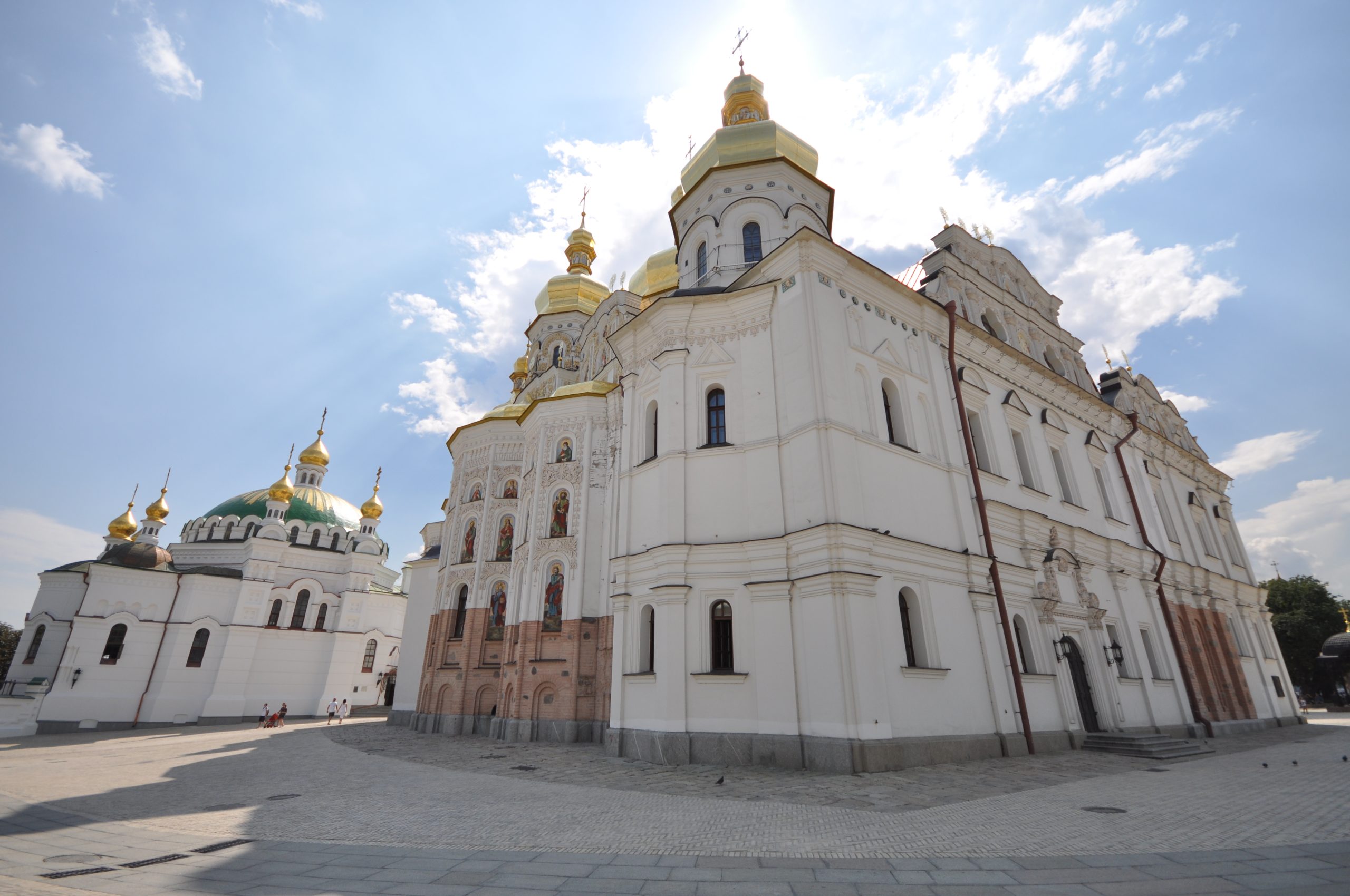
In one recent overnight assault reported by The Guardian, citing Ukraine’s air force, Russia launched 73 missiles and 656 drones across Ukraine. Ukrainian officials said Kyiv, Dnipro, Zaporizhzhia, Poltava and Kharkiv were among the targets.
Authorities reported more than 20 people killed and dozens injured in that attack, including children. In Kyiv, officials described fires, damaged apartment blocks and residents sheltering in basements, corridors and metro stations as explosions shook the capital.
For Zelenskyy, the message to allies has been blunt: Russia will keep using ballistic and other missiles unless Ukraine gets enough protection to make those attacks less effective.
Why Patriots matter so much
The Patriot system has become central to Ukraine’s air defense because it can intercept ballistic missiles, a category of threat that is much harder to stop than many drones or slower cruise missiles. Ukraine has other Western and Soviet-era air defense systems, but Patriots occupy a special place in the country’s defensive shield.
That is why Kyiv keeps asking not only for launchers, but also for interceptors. A Patriot battery without enough missiles is a limited asset. It may still deter attacks or protect a key area, but it cannot absorb repeated waves forever.
Zelenskyy has described Patriots as vital for saving lives. Ukrainian officials have also argued that ballistic missiles remain one of Moscow’s most dangerous advantages, especially when Russia combines them with drones and other missiles to overwhelm defenses.
The practical problem is that Patriot missiles are expensive, scarce and in demand well beyond Ukraine. NATO countries have their own defense requirements. The U.S. plays an especially important role because the Patriot is an American-made system and Washington has supplied key parts of Ukraine’s air defense support.
Russia’s barrage strategy is shifting
Russia’s large-scale attacks often rely on volume and variety. A barrage may include drones, cruise missiles, ballistic missiles and, in some cases, more advanced weapons that are harder to track or intercept.
The purpose is not only destruction. It is also exhaustion. Each incoming drone or missile forces Ukraine to make a choice about what to intercept, where to conserve ammunition and which cities or infrastructure sites get priority protection.
That is why the number of interceptors matters. Even when Ukrainian air defenses perform well, every successful interception consumes ammunition that must be replaced. When supplies tighten, the margin for error shrinks.
The Guardian reported that Ukraine intercepted about half the missiles fired in one recent large attack, while more than 30 hit civilian targets. Those figures underline the dilemma: even partial failures in a mass barrage can produce severe civilian damage.
NATO faces a familiar dilemma
Zelenskyy’s appeal puts NATO governments back in a difficult position. Ukraine wants faster deliveries of the air defense equipment that can protect cities now. Allied governments must weigh their own stockpiles, production limits and the risk of leaving gaps in their national defense plans.
Several NATO members have already sent air defense systems or pledged support. But Patriot transfers are never simple. A country does not just hand over a missile battery without considering trained crews, maintenance, spare parts, interceptor supply and the security of its own airspace.
There is also a political layer. Every major weapons decision involving Ukraine tends to spark debate inside allied countries over escalation, cost and long-term commitments. Air defense is less controversial than some offensive weapons, but it still competes with domestic budgets and military readiness concerns.
Ukraine’s argument is that the cost of delay is measured in civilian lives. Kyiv has repeatedly pushed allies to treat air defense as an emergency, not a slow procurement question.
The U.S. role remains pivotal
Although Zelenskyy’s latest call is directed at NATO, the United States remains central to the Patriot question. The system is U.S.-made, and American decisions can influence both direct deliveries and whether other countries feel able to transfer parts of their own Patriot capacity.
Zelenskyy has previously pressed Washington for Patriot support, including appeals to U.S. leaders and lawmakers. In remarks cited by The Guardian, he said Ukraine needed help from the United States in supplying missiles such as Patriots and called on partners to deliver effective responses after Russian strikes.
That does not mean NATO’s European members are spectators. European governments can provide launchers, interceptors, funding, radar support and other air defense systems that reduce the burden on Patriots. Some can also help finance production or backfill countries that send equipment to Ukraine.
Still, the core issue is speed. Producing more interceptors takes time. Moving existing ones requires political decisions. Ukraine is asking allies to solve both problems while Russian attacks continue.
What happens next
The immediate question is whether NATO members announce new Patriot commitments or a broader air defense package in response to Kyiv’s appeal. That could include interceptor deliveries, additional launchers, funding for production or transfers from countries that already operate the system.
Ukraine will also keep pressing for layered defense. Patriots are crucial against ballistic missiles, but they are not the only answer. Drones and cruise missiles can sometimes be countered with other systems, including shorter-range air defenses and electronic warfare tools.
The longer-term issue is whether NATO can build a sustainable pipeline. Ukraine does not need a one-time symbolic shipment as much as it needs predictable resupply. Russia’s strategy depends on repeated pressure; Ukraine’s defense depends on not running out.
For now, Zelenskyy’s Patriot plea is a test of allied urgency. NATO leaders have said Ukraine’s security matters to Europe’s security. Kyiv is asking them to prove it before the next barrage arrives.






Leave a Reply